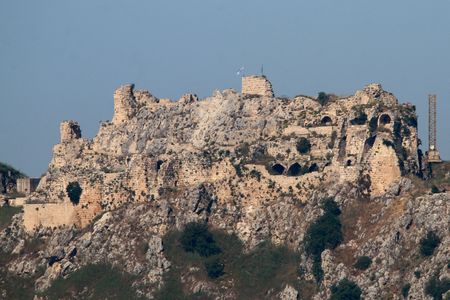

Israeli military forces have reclaimed control of a historic medieval fortress in southern Lebanon that carries deep symbolic meaning from decades of regional conflict.
The ancient Beaufort Castle, constructed nine centuries ago, fell back into Israeli hands on Saturday as troops advanced into territory they had previously controlled during an 18-year military presence from 1982 to 2000. That earlier occupation ended after sustained attacks by Hezbollah forced their withdrawal.
The current military action against the Iran-supported Shi’ite organization has brought Israeli forces back to this Crusader-era stronghold, which holds UNESCO cultural protection status, amid fighting that has displaced hundreds of thousands of Lebanese civilians.
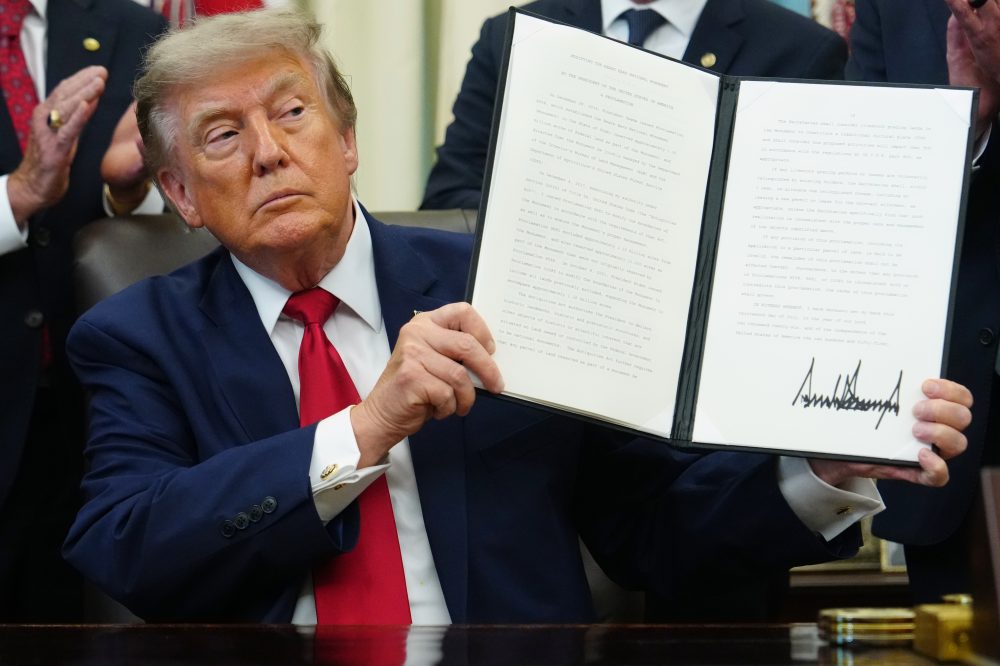
Israeli Prime Minister Benjamin Netanyahu celebrated the fortress’s recapture, addressing criticism of his military strategy in Lebanon and Iran.
“I remind you that, 44 years ago, this place was a symbol of a heroic battle by our fighters, but it was also a symbol of deep division among us,” he said.
“Today, we returned to Beaufort differently. We returned united, determined, and stronger than ever.”
Hezbollah representatives stated they maintained no military operations at the castle when Israeli forces arrived, though combat continues in nearby areas.
The fortress sits dramatically above the Litani River, offering commanding sightlines toward the Israeli-controlled Golan Heights six miles eastward and the Mediterranean Sea 25 miles westward, making it a crucial strategic position.
Originally constructed by a Crusader leader in the 12th century on top of existing fortifications, the castle later fell to the renowned Muslim commander Saladin before passing through the hands of the Knights Templar and Egypt’s Mamluk rulers.
Independent Middle East security expert Riad Kahwaji emphasized that modern warfare technology hasn’t diminished the location’s military importance.
“The site for the castle was chosen because of its significant strategic location. The significance has not declined with time. It’s still important, especially in ground operations,” he said.
During Lebanon’s civil conflict that began in 1975, Palestine Liberation Organisation militants used the deteriorating castle ruins as an operational base for attacks against Israel.
Israel’s 1982 invasion, which reached as far as Beirut, included seizing the fortress as a command center for operations in the predominantly Shi’ite Muslim southern region.
Battle damage from Israeli bombardments of PLO positions in the 1970s and subsequent Hezbollah assaults on Israeli troops in the 1980s and 1990s remains visible on the castle walls today.
For Lebanese residents, the fortress became an enduring reminder of foreign occupation, with Israeli flags prominently displayed atop one of the area’s highest peaks while soldiers maintained surveillance below.
“The fact that they’re back now in Beaufort I think is reminiscent of that era and that level of control over people’s lives,” said Mohanad Hage Ali, deputy director for research at the Carnegie Middle East Center.
“It’s an occupation that you can see.”
Following Israel’s 2000 withdrawal after years of costly fighting, Hezbollah’s yellow banner flying from the castle battlements became central to the group’s victory messaging.
This history creates conflicted emotions among Israelis regarding the fortress.
“It was a symbol for heroism,” said Danny Orbach, a military historian at Israel’s Hebrew University of Jerusalem.
“But it was also a symbol in the eyes of many of the futility of war; the narrative that Israel has nothing to do with Lebanon.”
However, following Israel’s intensive 2024 campaign against Hezbollah and territorial gains this year, those perceptions may be shifting.
“Israel occupying Beaufort is actually telling Hezbollah and the world: we overcame the trauma. We’re not afraid anymore,” Orbach said.
After a brief 2006 conflict between Israel and Hezbollah, the castle was largely demilitarized and carefully renovated as a tourist destination.
UNESCO, which does not include Israel as a member nation, recognizes the site as among the Middle East’s finest preserved medieval fortresses and recently placed it on a special protection list during the current conflict.