
BEIRUT (AP) — A temporary ceasefire between Israel and Lebanon’s Hezbollah militant group began Friday, bringing much-needed calm to both nations and potentially creating an opportunity for Iran and the United States to negotiate an end to the broader regional conflict.
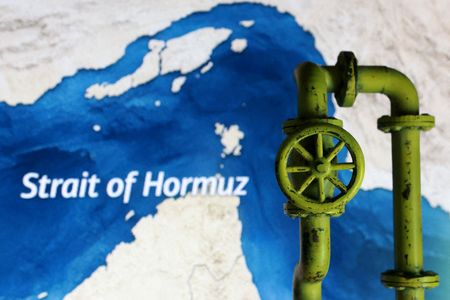
The cessation of hostilities appears to have prompted Iran to reopen the Strait of Hormuz, helping to alleviate the worldwide energy crisis. However, significant hurdles persist, as Hezbollah has not officially endorsed the ceasefire and is demanding Israeli withdrawal. Meanwhile, Israel maintains it has not completed its mission to dismantle the Iranian-supported militant organization and has declared intentions to control portions of southern Lebanon.
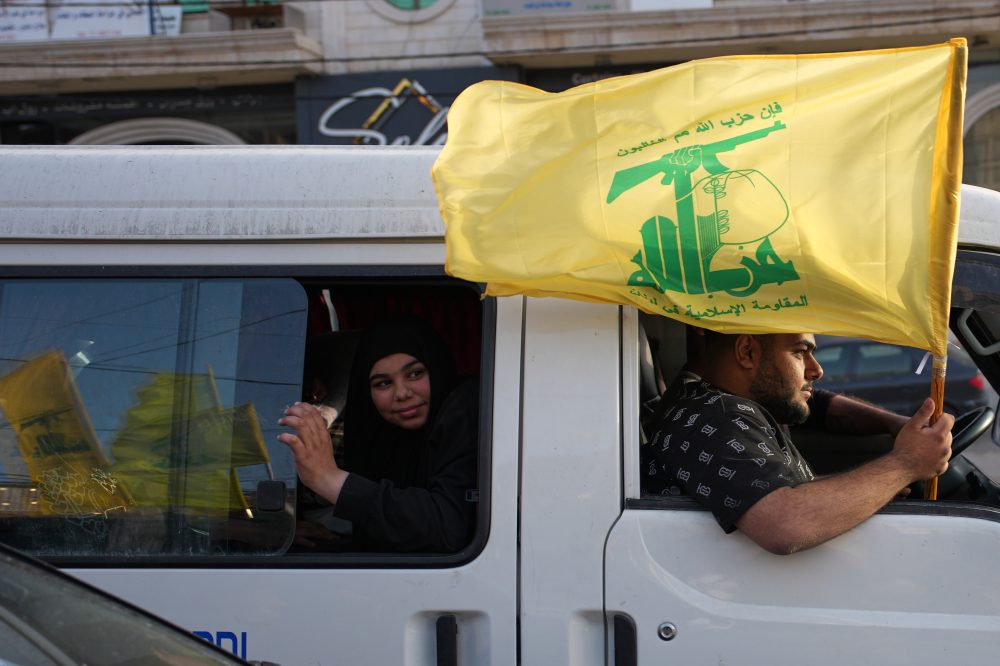
The temporary 10-day halt in fighting seemed largely stable during its initial day, with thousands of Lebanese citizens returning to their southern homes. Hezbollah had fired rockets at Israel in early March, just two days following the commencement of the U.S.-Israeli military campaign against Iran. Israel responded with intensive bombing campaigns and ground forces.
Here’s an examination of the ceasefire agreement.
President Donald Trump revealed the ceasefire Thursday, characterizing it as an arrangement between Israel and Lebanon, whose government had been mostly excluded from the conflict. Israel has consistently criticized Lebanon for not disarming Hezbollah according to prior agreements and the government’s own strategy.
The State Department released the agreement’s text and called it an Israeli gesture “to enable good-faith negotiations” toward lasting peace with Lebanon. Officials said the 10-day pause could be extended through mutual consent if discussions advance and “Lebanon effectively demonstrates its ability to assert its sovereignty.”
The deal requires the Lebanese government to stop Hezbollah and other armed factions from launching attacks on Israel, similar to the ceasefire that ended the previous Israel-Hezbollah conflict in November 2024.
The 2024 deal specified that both nations would retain “self defense” rights, without providing details. Israel continued frequent strikes against what it claimed were militant positions, often resulting in civilian casualties, while Hezbollah refrained from retaliation until last month.
According to U.S. officials, the current agreement grants Israel the “right to take all necessary measures in self-defense, at any time, against planned, imminent, or ongoing attacks.” No comparable rights are specified for Lebanon or Hezbollah.
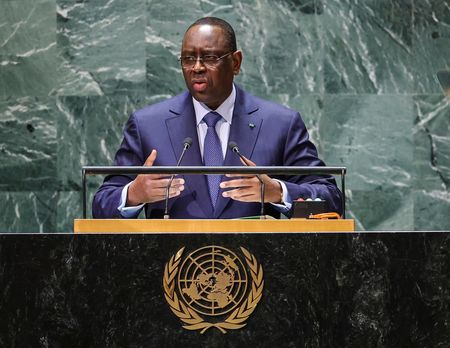
Prime Minister Benjamin Netanyahu stated Israel accepted the ceasefire following Trump’s request but emphasized being “not finished yet” with Hezbollah. Israeli officials announced plans to control a 10-kilometer (6-mile) buffer zone in southern Lebanon and prevent civilian returns until eliminating all threats.
Facing elections this year, Netanyahu confronts increasing pressure to demonstrate victory over Israel’s adversaries in conflicts triggered by Hamas’ October 7, 2023, Gaza attack — which occurred during his leadership.
Israel and the United States seek Lebanese authorities to disarm Hezbollah, using force if required. While Beirut had made substantial progress asserting control over southern Lebanon before the war, officials remain reluctant to risk civil war by fully confronting the heavily armed group.
Lebanese President Joseph Aoun stated his goal is to “secure the withdrawal of Israeli forces from the occupied southern territories” and establish Lebanese army control over border regions.
Hezbollah announced it would respect the ceasefire provided it remains “comprehensive across all Lebanese territories, including border areas, and includes a full halt to hostilities and restrictions on the enemy’s freedom of movement, serving as a prelude to Israeli withdrawal.”
The statement suggested Hezbollah might resume rocket attacks if Israel continues targeting it and maintains presence in southern Lebanon.
On Truth Social, Trump declared Israel is now “PROHIBITED” by the U.S. from bombing Lebanon, representing an unusually direct assertion of American authority over an ally. The U.S. has described the truce as resulting from direct Israeli-Lebanese negotiations in Washington — the first such talks in decades.
Iran and Hezbollah claim the agreement actually stems from broader Tehran-Washington negotiations and resulted from Iranian pressure.
Mohsen Rezaei, a military adviser to Iran’s supreme leader, posted on X that “while the Lebanese government and Trump are attempting to claim this ceasefire as their own initiative,” it was “the resistance of Hezbollah’s fighters and Iran’s multifaceted pressures” that created the truce.
Hassan Fadlallah, a Hezbollah parliamentary bloc member, told reporters Friday that Iran had notified Hezbollah leadership about the ceasefire agreement early Thursday, well before Trump’s announcement.
Iran and mediator Pakistan had claimed Lebanon was included in broader ceasefire negotiations with the U.S. earlier this month. Both the U.S. and Israel denied this, with Israel launching massive Beirut bombardments after those talks concluded.
Two Pakistani officials confirmed to The Associated Press Friday that Pakistan helped secure the Lebanese ceasefire. They requested anonymity to discuss private negotiations.
Lebanon’s government opposed the war from its start and sought to end it but lacked influence over Hezbollah. Instead, Iran took the lead, which many Lebanese view as another violation of their sovereignty.
During Friday remarks, Aoun thanked the U.S. and Arab nations, including Saudi Arabia, for ceasefire efforts. He did not acknowledge Iran.
Tehran apparently leveraged its Strait of Hormuz control and Trump’s desire to end an increasingly unpopular and economically damaging war to stop Israel’s campaign against its proxy.
As the Lebanese ceasefire began, both Trump and Iranian Foreign Minister Abbas Araghchi announced the strait’s reopening, something the U.S. couldn’t achieve through weeks of intensive bombing and destroying much of Iran’s naval fleet.
Araghchi explicitly connected the development to the Lebanese ceasefire.