
An Iraqi sea captain is refusing to abandon his dangerous maritime route despite escalating threats from regional warfare that has turned vital shipping lanes into potential battlegrounds.
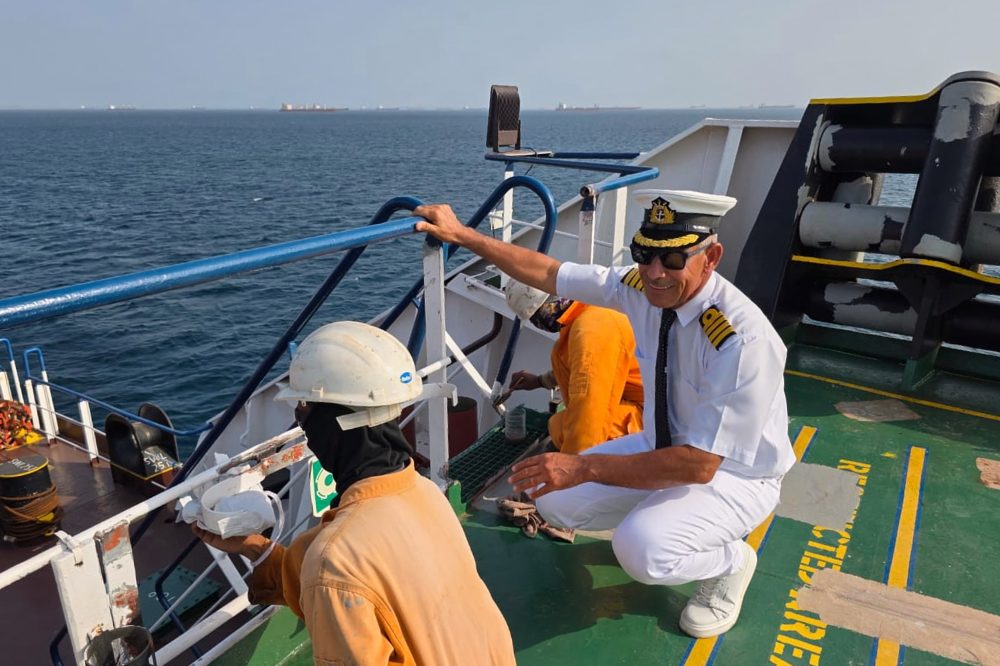
Captain Rahman Al-Jubouri commands an oil tanker navigating the perilous waters connecting the Gulf of Oman and Strait of Hormuz, where ongoing conflicts between the United States, Israel and Iran have created chaos for international shipping and left maritime crews vulnerable to military strikes.
The seasoned mariner, who has spent nearly four decades at sea since beginning his career in 1984, has weathered multiple conflicts including the Iran-Iraq War and Gulf War of 1991. Now he faces fresh dangers as random military attacks target ships attempting passage through critical waterways including Bab el-Mandeb and Persian Gulf routes.
“Work has become a real risk; we don’t know when we might be bombed. We’re sailing over a ball of fire,” he said.
Al-Jubouri has spent the past four months aboard the Sea Moon, a vessel flying under Palau’s flag. His current mission involves transporting oil from the Gulf of Aden to the Gulf of Oman for delivery at Yemen’s Ras Isa port. He provided details during a telephone interview with The Associated Press.
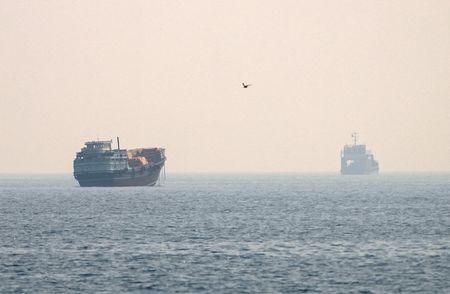
Commercial shipping has become caught in the middle of escalating tensions between Washington and Tehran over control of the Strait of Hormuz. Multiple tankers have suffered attacks launched by Iranian military units and their regional allies. Repeated threats to shut down the Strait of Hormuz, which serves as a crucial passage for worldwide oil transportation, have caused significant delays, route changes and vessels becoming trapped in Gulf waters.
This past Sunday marked a significant escalation when American naval forces intercepted and seized an Iranian cargo vessel attempting to bypass a maritime blockade near the strait, representing the first such action since port restrictions began the previous week.
The constant threat level has prompted Al-Jubouri to implement frequent emergency preparedness training for his crew members. “We’ve trained them on how to respond if the ship comes under fire, God forbid,” he said.
During the previous year, his tanker experienced direct combat while moored at a Yemeni facility. “I immediately cut the ropes, prepared the engines, and left the port at my own risk to protect the crew and the ship,” he said.
Metal fragments struck the vessel during their emergency departure, resulting in minimal structural damage while all crew members avoided injury. The tanker eventually resumed normal port activities and continued following its scheduled shipping route despite the incident.
However, not every crew member can handle the extreme stress of their assignments. Al-Jubouri revealed his team has shrunk from 27 sailors down to just 17 members, with fear driving the departures.
Extended periods away from home add emotional strain to the physical dangers. Al-Jubouri has been separated from his family for four months straight, creating the homesickness common among long-distance sailors.
“We suffer from being away from our families and our homelands,” he said. Although onboard internet connections help maintain family contact, the separation feels particularly difficult during wartime conditions.
Essential provisions continue flowing regularly, with food and drinking water supplies maintained through port visits without significant shortages occurring.
Al-Jubouri credits his extensive maritime experience spanning four decades with helping him maintain effectiveness under extreme pressure.