
Following Israel’s extensive military campaign in response to Hamas’s devastating October 7, 2023 attack, Tehran has watched its regional influence steadily crumble as Israeli forces systematically targeted Iran’s network of allied militant organizations throughout the Middle East.
This gradual erosion of Iranian power over the last two and a half years created the conditions for this weekend’s catastrophic strikes by the United States and Israel against Iran itself, marking a dramatic transformation in Middle Eastern geopolitics.
“Certainly the Oct. 7 events were a turning point in this long conflict between Iran and Israel,” explained Mehrzad Boroujerdi, who studies Iranian politics at Missouri University of Science and Technology. “I think it provided Israel with the argument or justification to deliver a strong blow.”
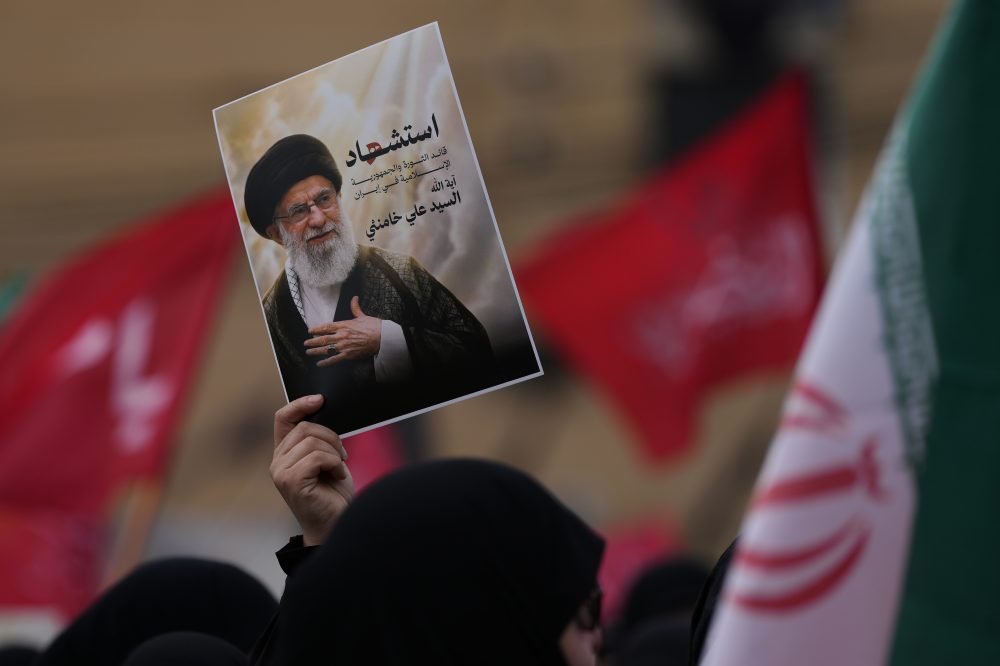
The most catastrophic blow occurred over the weekend when President Donald Trump and Israeli leadership coordinated a series of strikes against Iran, resulting in the death of Supreme Leader Ayatollah Ali Khamenei and causing extensive damage across the country. However, this current conflict represents the culmination of a prolonged series of events that have significantly diminished Iran’s strength along with Hezbollah and other allied militant organizations, fundamentally altering the region’s political equilibrium.
“It’s a very bloody, a very violent but transformative moment that the Middle East is going through,” observed Renad Mansour, who researches Middle Eastern affairs at Chatham House, a British policy institute. “We don’t know where this will end up.”
Iran’s declining influence stemmed from the Gaza conflict, where Israeli military units pursued Hamas militants following their attack that claimed 1,200 lives and resulted in 251 people being taken hostage on October 7. Israeli operations have subsequently resulted in over 72,000 Palestinian deaths in Gaza, with nearly half being women and children, based on figures from the Health Ministry operating under Hamas governance, which does not differentiate between combatants and non-combatants.
The fighting rapidly spread to encompass additional organizations within Iran’s sponsored network known as the Axis of Resistance.
Lebanon’s Hezbollah, a formidable militant organization, had traditionally served as Iran’s primary defensive force against potential Israeli aggression. The group reportedly possessed approximately 150,000 rockets and missiles, with its deceased leader Hassan Nasrallah previously claiming to command 100,000 combatants.
Following October 7, Hezbollah began launching rockets into Israel to support Hamas, prompting Israeli air attacks and artillery fire that eventually developed into comprehensive warfare during autumn 2024.
Israeli operations severely damaged Hezbollah’s capabilities, eliminating Nasrallah along with other senior commanders and destroying significant portions of the organization’s weaponry, until a U.S.-brokered ceasefire theoretically ended hostilities in November. Israeli forces continue maintaining positions in southern Lebanon while conducting almost daily aerial bombardments.
Hezbollah suffered additional setbacks when rebel forces toppled Syrian President Bashar Assad’s government, eliminating a crucial pathway for Iranian arms shipments.
Iran-backed Houthi fighters in Yemen entered the widening confrontation by launching missiles at Red Sea shipping and Israeli targets, drawing return fire from U.S. naval forces and Israeli military units.
As hostilities expanded, Iranian leadership and their allied groups failed to understand that Israel had rejected the previously maintained tense equilibrium and sought to create fundamental changes, according to Mansour.
Iran faced escalating consequences last June when Israel initiated an unexpected offensive designed to destroy Tehran’s rapidly progressing nuclear capabilities while Iran and the United States were conducting nuclear agreement discussions. The subsequent 12-day conflict included bombing campaigns against Iran’s energy sector and Defense Ministry facilities.
Iran’s weakened allied organizations largely remained uninvolved as their benefactor faced direct assault last year, and they have maintained similar positions in the current fighting.
“It’s very much about survival” for Hezbollah and other Iranian-supported organizations, Mansour noted. He explained that the Axis has gradually become less dependent on direct Iranian commands, with member groups developing greater independence. “And survival to them is based on calculations that aren’t necessarily about Iran’s survival.”
Since Israel and the United States began their coordinated assault on Iran Saturday, Tehran’s regional partners and allied groups have played minimal roles in responding.
Hezbollah appeared to alter this approach early Monday, despite significant pressure from Lebanese authorities to avoid entering the conflict in Iran’s defense due to concerns about another destructive war in Lebanon.
Hezbollah released statements denouncing the U.S.-Israeli operations against Iran and expressing grief over Supreme Leader Ayatollah Ali Khamenei’s death, then suggested possible involvement. Early Monday morning, the organization fired missiles across the border, prompting immediate Israeli retaliation against Beirut’s southern districts. This marked Hezbollah’s first claimed attack against Israel in over twelve months.
Hezbollah announced in their statement that these strikes were conducted as retaliation for Khamenei’s killing and in response to “repeated Israeli aggressions.”
The potential reactions of other allied groups to Khamenei’s death remain uncertain. Charles Lister, a senior analyst at the Middle East Institute, suggested that Israel’s actions since 2023 might make such organizations more cautious.
“Previous bouts of conflict since Oct. 7 appear to have underlined the existential risk associated with making yourself a target,” Lister stated in an email response to Associated Press inquiries.
In Iraq, a coalition of Iranian-backed militias identifying as the Islamic Resistance in Iraq has taken responsibility for multiple drone attacks against U.S. installations in Irbil, the capital of the semi-independent Kurdish region in northern Iraq. The full extent of damage from these operations remains unclear. However, the Kurdish area has experienced widespread electrical outages after a major gas facility supplying much of the region’s power ceased operations due to security considerations.
Two sources from different Iranian-allied Iraqi militias informed the AP that Iranian representatives met with allied Iraqi organizations two months ago to develop response plans if Iran came under attack, including assigning specific responsibilities to various Iraqi armed factions.
These sources requested anonymity as they lacked authorization for public statements. One source indicated the planned response would focus on U.S. personnel and assets in Iraq’s semi-autonomous Kurdish region and in nearby Jordan.
Many people incorrectly assume that Iran simply commands its allied militant organizations and they automatically comply, Boroujerdi explained. However, the independent choices these groups have made to avoid the current conflict demonstrate the overall deterioration of Iran’s network.
“The dominoes started to fall with the October 7 events,” Boroujerdi stated. “Just take note of everything that has changed since then in terms of the balance of power.”