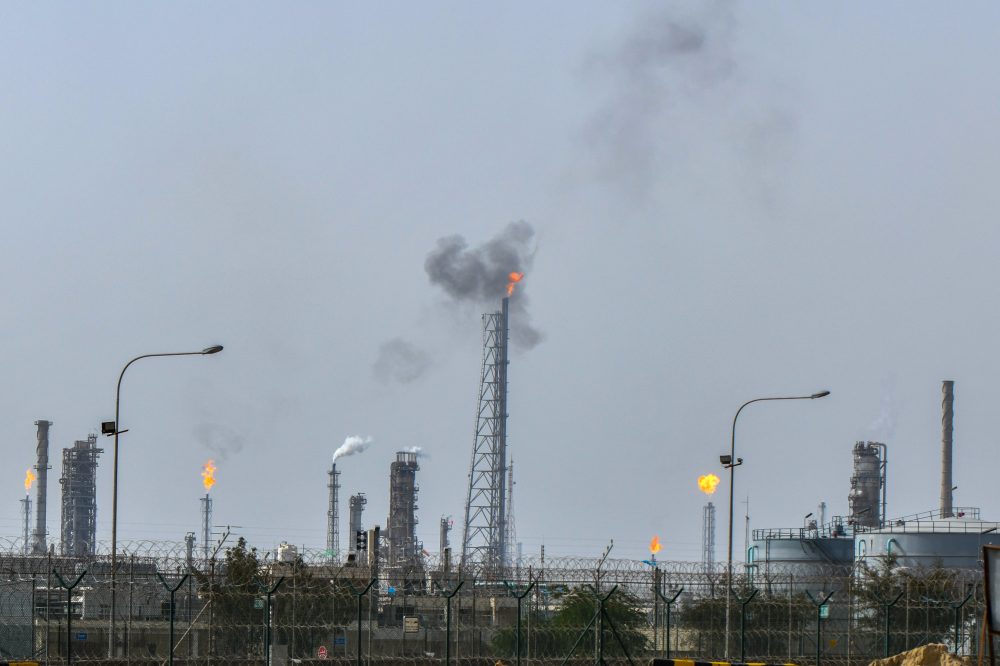

Iranian forces launched strikes on Friday that hit a combined power and water desalination facility in Kuwait, damaging one of the desert nation’s most important sources of drinking water.
The attack is the latest in a series of strikes targeting essential infrastructure across the Middle East, drawing attention to a critical weakness in one of the driest parts of the world. The region depends almost entirely on technology — not natural sources — to produce the freshwater that keeps its cities, hotels, industries, and farms running.
Kuwaiti officials confirmed that the strikes knocked out a large number of power generation units and triggered a fire at the facility. Authorities said the fire was eventually brought under control, and that emergency backup plans were put into effect.
Kuwait relies on desalination for approximately 90% of its drinking water. Neighboring countries face similar dependency levels — about 86% in Oman and roughly 70% in Saudi Arabia. Desalination works by stripping salt out of seawater, most often through a method called reverse osmosis, which forces water through extremely fine membranes.
Hundreds of these facilities line the shores of the Persian Gulf, placing the water supply for millions of people within striking distance of Iranian missiles or drones. Without these plants operating, major cities in the region could not support their current populations.
For much of the world watching the conflict involving Iran, the biggest concern has centered on energy costs. Attacks on ships passing through the Strait of Hormuz have rattled global markets and pushed oil prices to record levels.
Yet the systems that deliver drinking water to Gulf cities are just as exposed to attack.
Over the past several months, Iran has launched strikes in close proximity to multiple desalination facilities in the Gulf. Kuwait had previously reported damage at the Doha West desalination plant earlier in the conflict, caused by debris from intercepted drones or strikes targeting a nearby port.
Iran has also accused the United States of attacking Iranian desalination plants on Qeshm Island on March 8, claiming the strike cut off water access to 30 villages. Washington has not confirmed or acknowledged that strike.
Yemen’s Houthi rebels have previously targeted Saudi desalination infrastructure during periods of heightened regional tensions as well.
Many Gulf desalination plants are physically connected to power stations as co-generation facilities, meaning damage to the electrical side can also disrupt water output. These plants are made up of multiple interconnected components — intake systems, treatment stages, and energy supplies — and disrupting any single part of that chain can bring production to a halt.
Both Gulf governments and U.S. officials have long been aware of the danger these vulnerabilities pose to regional stability. If major desalination plants were taken offline, some cities could lose the bulk of their drinking water within just a few days.
A CIA analysis from 2010 warned that attacks on desalination facilities could spark national crises across multiple Gulf states, and that extended outages could stretch on for months if key equipment were destroyed.
That report noted that more than 90% of the Gulf’s desalinated water supply flows from just 56 plants, and that “each of these critical plants is extremely vulnerable to sabotage or military action.”
Beyond the threat of conflict, these facilities also face growing risks from climate change. Storm surges, extreme rainfall events, and the increasing frequency and strength of cyclones in the Arabian Sea — driven by warming ocean temperatures — all pose additional dangers to the infrastructure that millions depend on for survival.