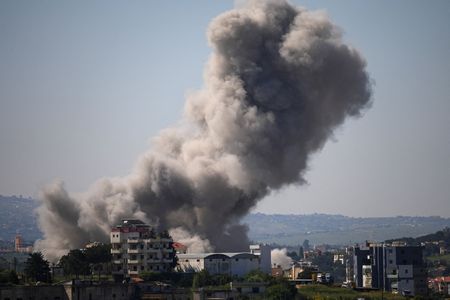

The United Arab Emirates activated its air defense systems to counter incoming missiles and drones launched by Iran during the early morning hours Friday, marking another challenge to the fragile month-old truce between the United States and Iran.
Limited information was immediately available regarding this most recent assault on the UAE, which occurred just one day following hostile exchanges between American and Iranian forces near the Strait of Hormuz. The attack comes as Washington continues waiting for Tehran’s response to a diplomatic proposal aimed at resolving the ongoing conflict. Since hostilities began on February 28, Iran has repeatedly launched strikes against the UAE and other Gulf nations that provide bases for U.S. military operations.
On Thursday, President Donald Trump reported that three American Navy destroyers faced hostile fire while navigating through the strait, a critical waterway that handles approximately 20 percent of global oil and liquefied natural gas shipments—a passage Iran has effectively blocked since fighting commenced.
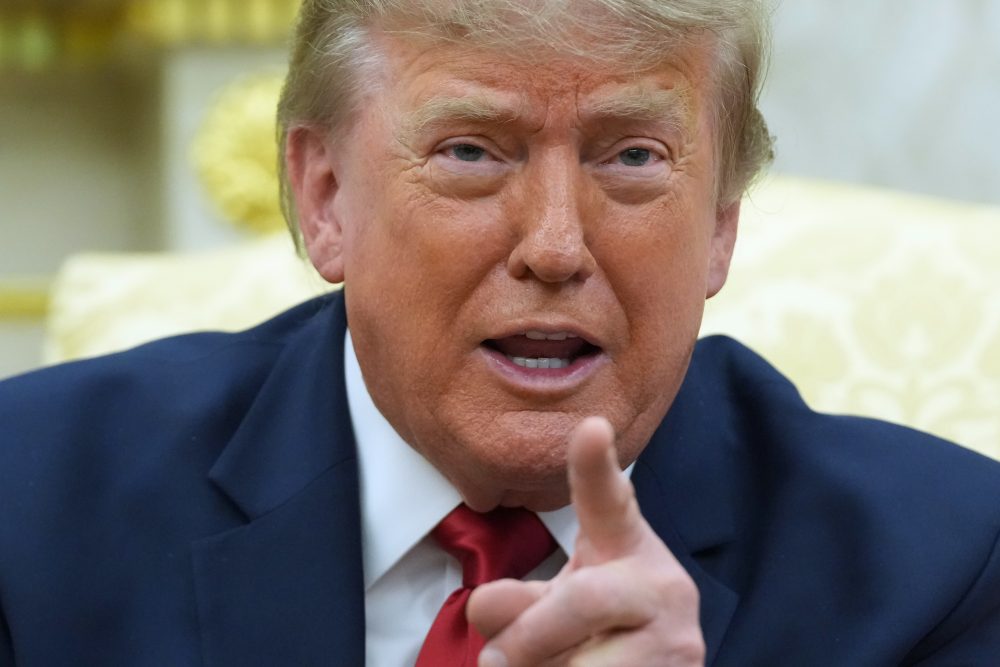
“Three World Class American Destroyers just transited, very successfully, out of the Strait of Hormuz, under fire. There was no damage done to the three Destroyers, but great damage done to the Iranian attackers,” Trump posted on Truth Social.
Speaking to reporters afterward, Trump maintained that the ceasefire remained intact while downplaying the severity of Thursday’s confrontation.
“They trifled with us today. We blew them away,” Trump stated from Washington.
Iranian military leadership countered by alleging American forces breached the ceasefire through attacks on an Iranian oil vessel and another ship, along with conducting aerial strikes against civilian locations on Qeshm Island within the Strait of Hormuz and nearby mainland coastal regions of Bandar Khamir and Sirik. Military officials claimed they retaliated by striking U.S. naval assets positioned east of the strait and south of Chabahar port.
An Iranian spokesperson from the Khatam al-Anbiya Central Headquarters claimed their counterstrikes caused “significant damage,” though U.S. Central Command reported no American assets sustained hits.
Iran’s Press TV subsequently announced that after several hours of combat, “the situation on Iranian islands and coastal cities by the Strait of Hormuz is back to normal now.”
Both nations have periodically engaged in armed exchanges since the April 7 ceasefire implementation, with Iran conducting attacks against targets throughout Gulf states, including the UAE.
Asian markets saw oil prices climb Friday morning, with Brent crude surging past $100 per barrel following the latest U.S.-Iran clashes.
Despite Thursday’s military action, Trump indicated that diplomatic discussions with Tehran continue progressing, telling reporters, “We’re negotiating with the Iranians.”
Prior to the recent strikes, American officials had presented a proposal designed to formally conclude the conflict, though the plan reportedly does not address crucial U.S. requirements for Iran to halt nuclear activities and reopen the strait passage.
Tehran indicated it has not yet made a determination regarding the proposed agreement.
Nevertheless, Trump claimed Iranian officials had accepted his demand prohibiting Iran from acquiring nuclear weapons, a restriction he said was included in the American proposal.
“There’s zero chance. And they know that, and they’ve agreed to that. Let’s see if they are willing to sign it,” Trump explained.
When asked about potential timeline for reaching an agreement, Trump responded, “It might not happen, but it could happen any day. I believe they want to deal more than I do.”
The ongoing conflict has created challenges for Trump’s relationship with his domestic political supporters, particularly given his campaign promises to avoid foreign military entanglements and reduce fuel costs.
According to American Automobile Association data, average U.S. gasoline prices have increased more than 40 percent since late February, rising approximately $1.20 per gallon to exceed $4, as Strait of Hormuz shipping disruptions have driven crude oil prices higher.