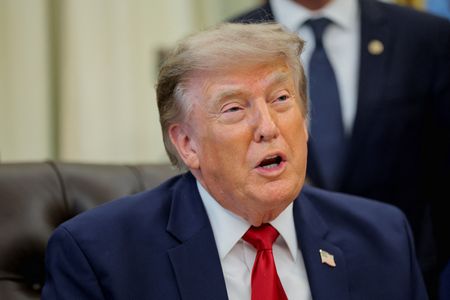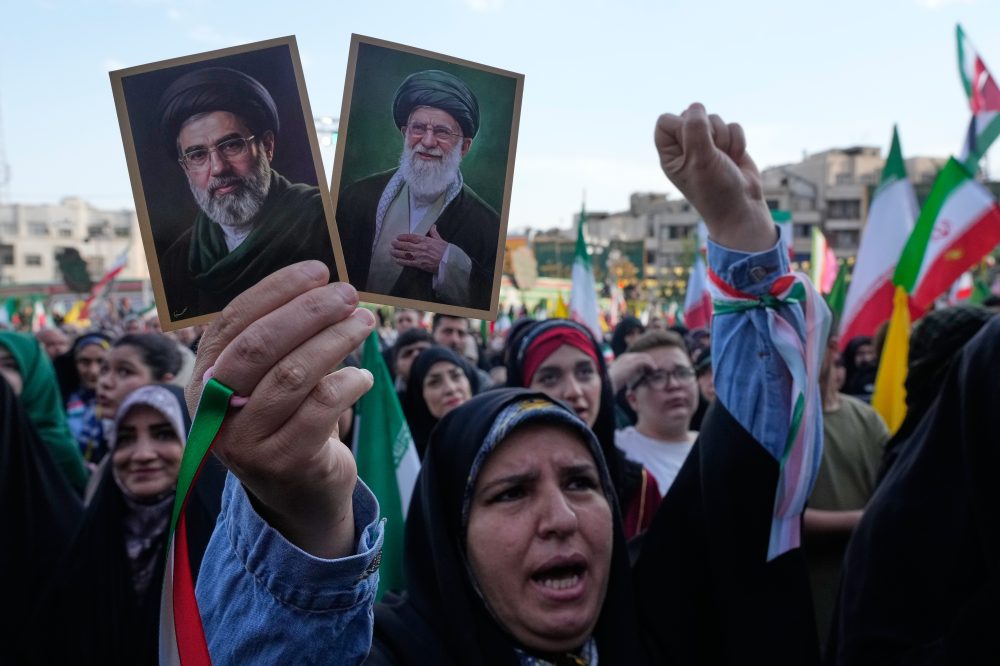

DUBAI, United Arab Emirates — Iran’s top leader delivered a combative message Thursday, declaring that the nation will defend its nuclear and ballistic missile programs as essential national resources, drawing a firm stance while President Trump pursues broader negotiations to solidify the current fragile ceasefire.
Ayatollah Mojtaba Khamenei delivered his remarks through a written declaration broadcast by state television, as has been his practice since assuming the role of supreme leader. He adopted an aggressive posture, declaring that Americans have no business in the Persian Gulf except “at the bottom of its waters” and proclaimed that a fresh era was unfolding in regional affairs.
These statements emerge while Iran’s petroleum sector faces mounting pressure from a U.S. naval blockade preventing Iranian oil vessels from reaching international waters. Oil markets responded sharply Thursday, with Brent crude futures for June climbing to $126 per barrel as Iran continues controlling the Strait of Hormuz, the critical waterway that handles one-fifth of global oil and natural gas shipments.
These developments are creating additional economic strain worldwide as Trump considers his next moves.
“By God’s help and power, the bright future of the Persian Gulf region will be a future without America, one serving the progress, comfort and prosperity of its people,” Khamenei stated in the declaration, delivered in the same manner as all his public statements since he allegedly sustained injuries in the February 28 attack that claimed his father’s life — the 86-year-old Supreme Leader Ayatollah Ali Khamenei.
“We and our neighbors across the waters of the Persian Gulf and the (Gulf) of Oman share a common destiny. Foreigners who come from thousands of kilometers away to act with greed and malice there have no place in it — except at the bottom of its waters.”
As an unstable ceasefire holds, Washington and Tehran remain deadlocked over the strategic waterway. The American blockade aims to cut off Iran’s oil revenue while potentially forcing Tehran to halt production due to storage limitations.
Iran’s closure of the strait has created political pressure for Trump, as fuel costs have surged before important midterm elections, while also affecting his Gulf partners who depend on the passage for their energy exports.
Iran recently proposed delaying discussions about its nuclear activities. Trump has cited preventing Iranian nuclear weapons development as a primary justification for military action. Tehran consistently claims its nuclear work serves peaceful purposes, despite enriching uranium to 60% purity — approaching weapons-grade levels.
During remarks commemorating Persian Gulf Day in Iran, Khamenei’s words indicated that nuclear matters and missile development would not be negotiated away.
“Ninety million proud and honorable Iranians inside and outside the country regard all of Iran’s identity-based, spiritual, human, scientific, industrial and technological capacities — from nanotechnology and biotechnology to nuclear and missile capabilities — as national assets, and will protect them just as they protect the country’s waters, land and airspace,” Khamenei declared.
He used the term “Great Satan” when referring to America, an epithet Iranian officials have employed against the United States since the 1979 Islamic Revolution.
Khamenei’s comments suggested Iran intends to maintain dominance over the waterway, which passes through Iranian and Omani territorial waters. Reports indicate Iran has demanded approximately $2 million from vessels seeking passage through the strait.
“Islamic Iran, by giving practical thanks for the blessing of exercising control over the Strait of Hormuz, will make the Persian Gulf region secure and put an end to the hostile enemy’s abuses of this waterway,” Khamenei said. “The legal rules and new management of the Strait of Hormuz will bring comfort and progress for the benefit of all the region’s nations, and its economic gains will gladden the hearts of the people.”
International law recognizes the strait as open waters accessible to all nations without fees. Arab Gulf states, particularly the United Arab Emirates, have condemned Iran’s strait control as maritime piracy.