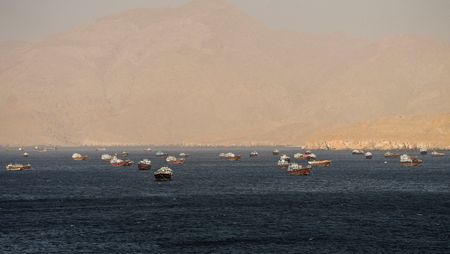

Iran’s diplomatic representative in Moscow announced Monday that the Strait of Hormuz will resume operations under revised terms established by Iranian and Omani officials, which will include charging transit fees.
Oil shipments through the waterway have been dramatically reduced due to the ongoing U.S.-Israeli conflict with Iran. Prior to hostilities, approximately one-fifth of global oil supplies traveled through this critical passage. While some tankers have recently managed to exit the Gulf, petroleum and liquefied natural gas transportation remains heavily restricted.
“Of course, this strait will be open, but with new conditions to be determined by the Iranian and Omani authorities,” Ambassador Kazem Jalali stated during an interview with Russian publication Izvestia released Monday.
“We understand that Iran and Oman provide certain services related to this strait. And fees will be charged for those services,” he explained, though he did not provide additional details.
Iranian officials have maintained that any lasting peace agreement should permit them to collect charges from vessels transiting the strait, with varying costs based on ship type, cargo contents, and current circumstances.
This stance faces strong resistance from U.S. President Donald Trump. During late May, American officials cautioned Oman against participating in any Iranian initiative to establish such tolls, and Treasury Secretary Scott Bessent reported that Oman’s ambassador assured him no plans existed to implement these charges.
Monday also saw Israel announce strikes against military installations in western and central Iran, despite reports that Trump had advised Israeli Prime Minister Benjamin Netanyahu to avoid additional attacks.
Japan, which relied on Middle Eastern sources for roughly 95% of its oil imports before the conflict began, confirmed it did not pay any fee when a Japanese-connected crude oil tanker navigated through the waterway during May.