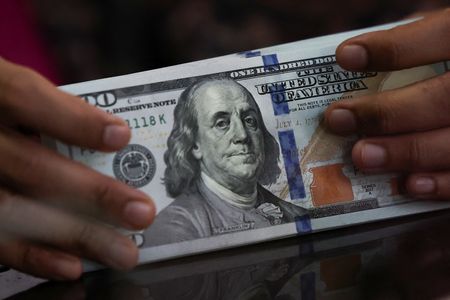

TEHRAN, Iran (AP) — The Iranian rial plummeted to an unprecedented low on Wednesday, reaching 1.8 million to the dollar while a fragile ceasefire between Iran, the United States, and Israel remains in effect.
For several weeks during the conflict that started February 28th, the rial had maintained stability, largely due to reduced trading activity and minimal imports entering the nation.
However, the currency began its downward spiral two days prior, culminating in Wednesday’s historic low.
Economic analysts caution that the rial’s dramatic decline will likely intensify inflation throughout Iran, where the dollar exchange rate directly impacts the cost of numerous imported items including food products, medical supplies, electronics, and industrial materials.
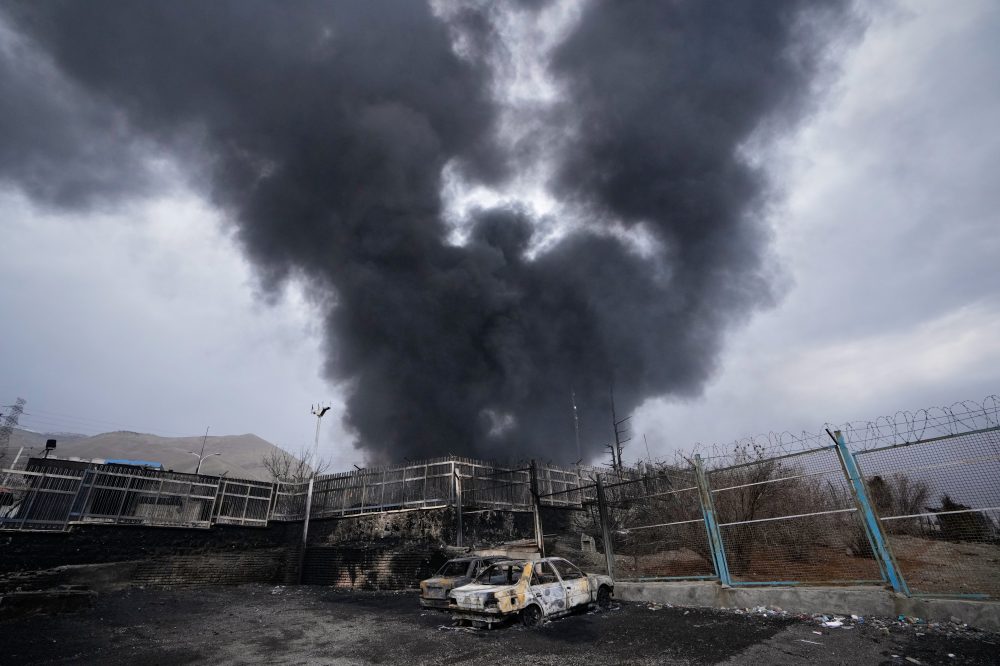
While hostilities have ceased under the current ceasefire agreement, ongoing U.S. economic blockades continue applying pressure to Iran’s already weakened economy. These measures have significantly reduced government revenues and foreign currency reserves by halting or seizing oil exports.
This recent currency crisis follows a similar economic shock from January that sparked widespread demonstrations across the country. During that period, the rial dropped from approximately 1.4 million to 1.6 million against the dollar within days, intensifying public frustration over escalating living costs and uncertainty about Iran’s economic prospects.
For decades, Iran’s economy has struggled under international sanctions, persistent inflation, and growing disparities between government-set and market exchange rates. The recent weeks-long conflict has placed additional stress on Iranian businesses, families, and government finances.