
HANOI, Vietnam (AP) — Seven people in seven different countries woke up to lives that had been quietly but unmistakably altered.
The war in Iran started months ago and far away. Yet its consequences spread rapidly across the globe — beginning with oil markets and climbing fuel prices, then spreading further into farms, factories, and household budgets. The disruption wove itself into the fabric of daily life.
Because the global economy still runs on fossil fuels — the same fuels driving climate change — a major disruption to that system carries enormous consequences. The United Nations Development Program has cautioned that such a shock could push 45 million additional people into poverty.
For those nowhere near the fighting, the war showed up not in explosions, but in broken routines, fearful farewells, and livelihoods pushed to the breaking point.
Here are some of their stories.
Edgar Funelas — Manila | April 10
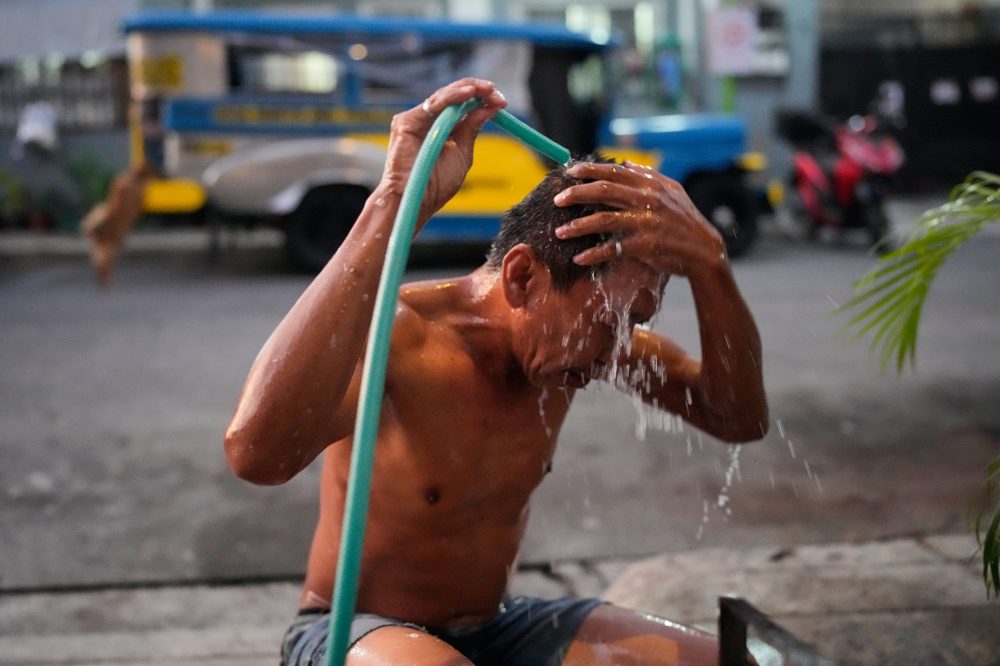
Before the city stirs, Funelas is already bathing beside his vehicle, pouring water over himself from a green pipe and scrubbing with laundry soap — cheaper than body wash, and practical enough to clean his clothes at the same time. Behind him sits his jeepney, faded and worn. His 10-year-old daughter sleeps inside.
Even before the war in Iran, Funelas was barely getting by. A fire had destroyed their home and everything in it, leaving the two of them living in the colorful minibus he used to drive for a living. He had hoped to save enough to rent a room. Then diesel prices spiked and he could no longer afford to keep the jeepney running.
He has not earned a single peso in days. There will be no breakfast. He says it is not just the hunger that wears on him — it is the loss of small dignities: washing in private, sleeping behind walls, keeping his struggle hidden from the world.
That morning, he hopes to find work at a nearby jeepney terminal, directing vehicles and loading passengers — work that pays about 16 cents per vehicle filled. Before the war, he brought in roughly $8 a day driving, sometimes double that.
For weeks, he and his daughter have survived on whatever others could give them. She has stopped going to school. At night, he drinks water and saves the food for her.