
Iran is pursuing a temporary agreement with the United States as a strategy to reduce economic pressures and stabilize conditions domestically, while steering clear of significant compromises regarding its nuclear activities, sources and analysts report.
This strategy represents a well-established pattern for the Islamic Republic: withstanding pressure, preventing permanent concessions, and maintaining diplomatic talks without altering fundamental stances, according to three Iranian sources with ties to decision-makers.
However, the current initiative stems from more pressing concerns. Government officials view a narrow agreement as an opportunity to gain time, secure financial assistance, and manage increasing domestic threats from a worsening economy without tackling the most divisive matters.
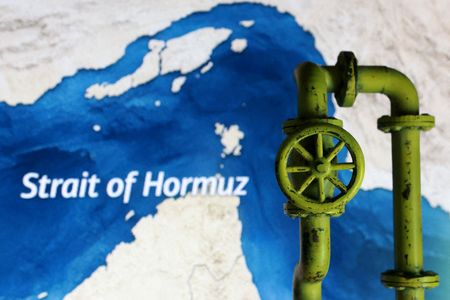
This diplomatic activity comes after weeks of intensification following U.S.-Israeli strikes in late February that escalated into wider regional hostilities. Iranian offensive actions throughout the Gulf region increased concerns about the safety of the Strait of Hormuz, a critical passage for approximately one-fifth of worldwide oil and liquefied natural gas shipments.
Three months later, despite a fragile ceasefire established in early April, the situation has solidified into deadlock. A U.S. blockade targeting Iranian ports and Tehran’s control over the Strait have maintained reciprocal pressure, increasing economic expenses while leaving the possibility of renewed combat unaddressed.
Given these circumstances, both nations have reduced expectations for a complete resolution. They are instead examining what officials characterize as a temporary memorandum — essentially an interim agreement — designed to prevent a return to open warfare while postponing fundamental disagreements about Iran’s nuclear operations.
For Tehran, this type of arrangement serves mainly as a method to transform military and economic pressure into financial resources, relief, and reduced tensions, without restricting sensitive nuclear activities.
Iran wants an end to hostilities on all fronts, including Lebanon, access to billions of dollars in oil revenues, waivers on crude exports, removal of the U.S. port blockade, and maintained control over the strait — while delaying decisions on the most controversial matters.
The structure would focus on temporary relief and gradual access through the waterway, leaving unanswered questions about enrichment capabilities and Tehran’s inventory of highly enriched uranium, including material enriched to 60%.
Alex Vatanka, a senior fellow at the Middle East Institute in Washington, said Tehran’s reasoning is influenced more by economic pressure and uncertainty than battlefield threats.
“Iranian leaders understand that time is not necessarily on their side… their calculation appears to be that dialogue, even limited dialogue, is preferable to entering an open-ended period of economic attrition and uncertainty that could gradually weaken its ability to govern at home and project influence abroad.”
The success of negotiations carries significant weight. President Donald Trump faces pressure to reopen the Strait of Hormuz and reduce U.S. fuel costs, while defending against criticism from Iran hawks within his own Republican party regarding any concessions to Tehran.
Iran’s leadership also confronts domestic challenges. Extended sanctions, economic mismanagement, and conflict have driven inflation, currency devaluation, and a steep drop in living standards.
Immediate financial assistance is therefore essential to Tehran’s interest in a preliminary agreement, sources indicated, as it could maintain economic operations, reduce urgent pressures, and prevent a return of civil unrest.
In January, Iran’s clerical establishment and the Revolutionary Guards killed thousands while suppressing nationwide protests sparked by economic grievances.
Hamidreza Azizi, a visiting fellow at the German Institute for International and Security Affairs (SWP) in Berlin, said a memorandum could also tackle growing concerns about the system’s long-term durability.
“By ending the conflict, reducing economic strain, removing U.S. military pressure around Iran, and creating space for reconstruction, an MoU could help prevent a gradual erosion of state capacity and governance,” Azizi said.
The Strait of Hormuz continues to be fundamental to Iran’s leverage. Within the clerical establishment, it is increasingly viewed less as a negotiating tool than as a lasting strategic advantage.
Any agreement that restores shipping while maintaining that leverage would preserve Tehran’s influence over the chokepoint, sources indicated, permitting traffic to resume while stability remains connected to political negotiation.
One source said a limited deal would effectively restore prewar conditions without forcing Iran to surrender to Washington’s demands, adding: “With the start of the war, Trump gave Iran the gift of control over the Strait.”