
Iran has rejected a ceasefire offer from President Donald Trump, and US military forces launched another round of strikes against Iranian military targets overnight into Friday after the president suggested he was weighing a “massive” attack. Iranian sources are now warning that a broader US assault on Tehran could lead to strikes on Tel Aviv and a wider regional conflict.
According to The New York Times, citing Iranian and Iraqi officials, Iraqi Prime Minister Ali al-Zaidi brought Trump’s ceasefire proposal to Tehran after sitting down with the president at the White House earlier this month. Iran reportedly turned down the offer because it had no interest in a temporary deal that left the question of control over the Strait of Hormuz unresolved.
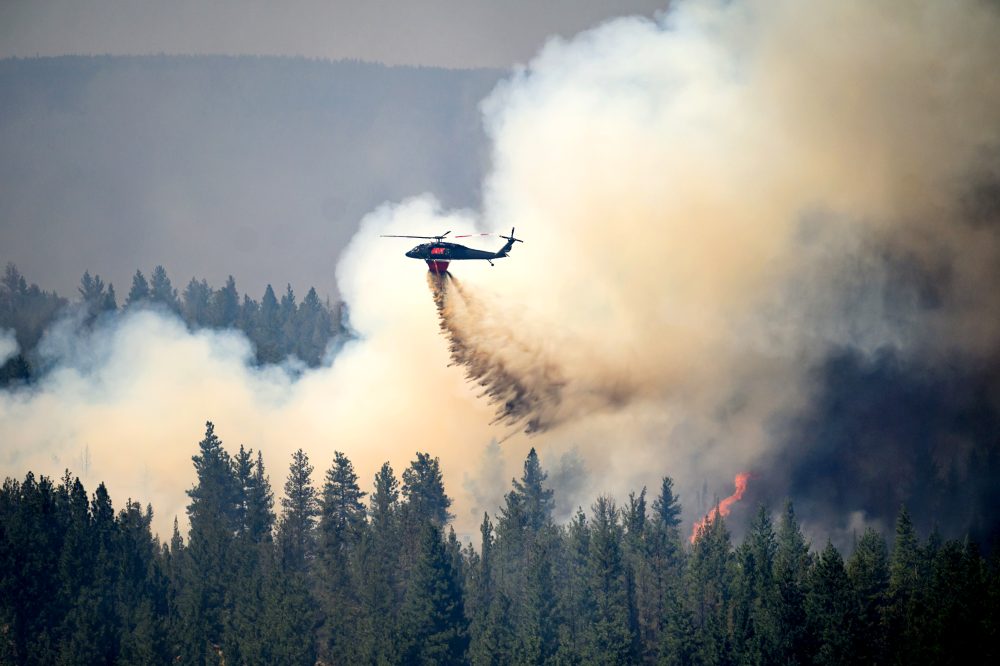
Shortly afterward, US Central Command announced the start of a 13th straight night of strikes on Iran. The targets included military command centers, drone storage sites, communication infrastructure, coastal surveillance positions, and naval assets. CENTCOM stated the mission was aimed at reducing threats posed by Iran’s Revolutionary Guards to commercial shipping and civilian sailors passing through the Strait of Hormuz, noting that commercial vessels are still moving through the waterway with US military support.
Iranian media reported explosions near the cities of Bandar Abbas and Ahvaz. Nour News reported that air defense systems were activated in Tehran in response to what the outlet described as a hostile threat.
Two Iranian sources told The New York Times that if Trump follows through on threats to strike Tehran and key infrastructure, Iran would widen the conflict by hitting Tel Aviv and calling on the Houthis in Yemen to shut down the Bab-el-Mandeb Strait.
Iran also claimed responsibility for attacks on the Muwaffaq Salti Air Base in Jordan and the Sheikh Isa Air Base in Bahrain, saying drones hit fuel storage and US personnel housing in Bahrain and targeted aircraft hangars and quarters in Jordan. Kuwait’s military said separately that it intercepted an Iranian drone attack that, according to Iran’s Tasnim news agency, was aimed at Ali Al Salem Air Base.
President Trump later stated that Iran’s missile stockpile was “down 91%” and announced that any future damage caused to ships or cargo would be covered using Iranian funds currently held under US control. Iranian Foreign Minister Abbas Araghchi pushed back sharply, warning that such a policy would set “a dangerous and inciting precedent,” and adding, “once governments normalize confiscation, no one’s assets are safe.”