
The Islamic Republic of Iran has appointed Mojtaba Khamenei, son of the deceased supreme leader, to take control as the nation’s new top authority. President Trump has already voiced strong opposition to this choice, describing Khamenei as “unacceptable.” Iran’s military leadership now operates under new command while the Revolutionary Guard has sworn loyalty to the successor.
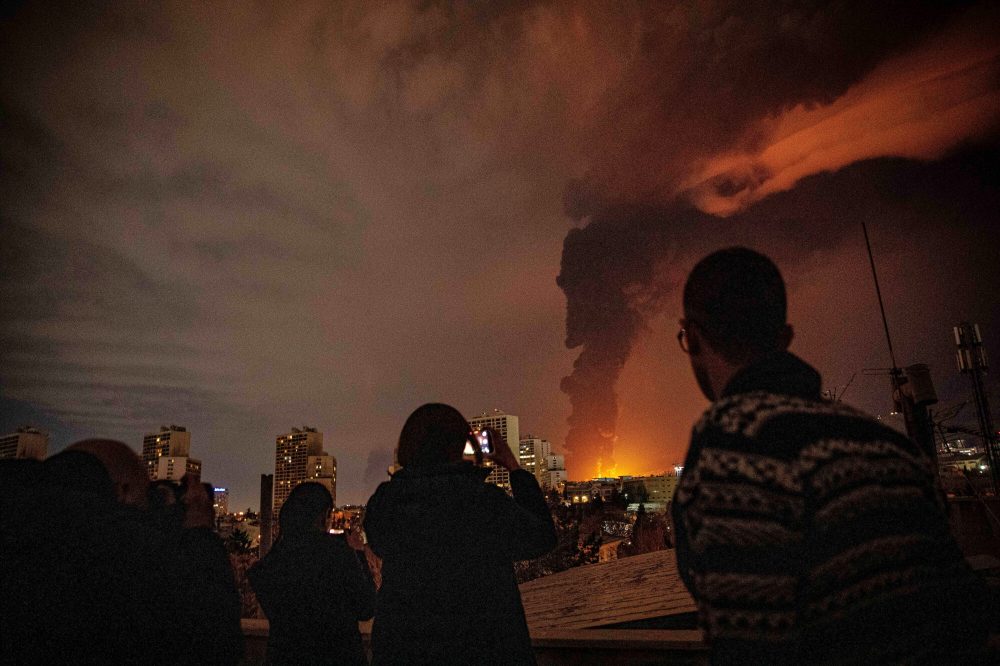
Global energy markets responded dramatically as crude oil costs surged beyond $100 per barrel. Weekend hostilities saw both nations targeting fresh objectives, including facilities serving civilian populations. Bahrain has accused Iranian forces of damaging critical water desalination infrastructure that Gulf nations depend on for drinking water. Israeli forces responded by bombing petroleum storage facilities in Tehran, creating massive smoke plumes and triggering environmental warnings.
American military casualties continue mounting with another service member’s death announced. Saudi Arabia reported its first fatalities in the conflict. Regional anger has intensified following Iran’s deployment of hundreds of missiles and unmanned aircraft throughout the area. Israel’s top military commander cautioned that the conflict “will take a long time.”
The warfare has now reached its tenth day with no signs of resolution.
Iran’s leadership transition occurred amid apparent internal divisions within the government. President Masoud Pezeshkian issued public apologies for strikes against neighboring nations, but hardline factions condemned his statements and insisted military operations would proceed.
The newly appointed supreme leader has remained absent from public view since hostilities commenced and has yet to issue any official statements in his position. The younger Khamenei assumes control during both external warfare and internal civil unrest following Iran’s earlier suppression of massive domestic demonstrations.
Iranian officials have not revised their casualty figures from the previously announced total exceeding 1,200 deaths. Citizens continue fleeing the country in significant numbers.
Israeli military operations have targeted both Iranian territory and the Iran-supported Hezbollah organization based in Lebanon, where officials report more than 500,000 displaced residents and over 300 deaths.
Prime Minister Benjamin Netanyahu promised “many surprises” during upcoming military phases. Israeli forces claim successful destruction of Revolutionary Guard Air Force headquarters, which controlled ballistic missile operations, along with missile launching sites and manufacturing plants.
Eleven Israeli citizens have perished since fighting began. Daily alert systems continue sounding throughout Israel warning of incoming projectiles, with defense systems intercepting nearly all threats.
American military officials have advised Iranian civilians to remain indoors, claiming Iran launches attacks from heavily populated neighborhoods. Growing evidence suggests U.S. involvement in a deadly strike on an Iranian girls’ school during the conflict’s opening day, though Trump has blamed Iran for the incident.
Trump participated in ceremonies honoring fallen American soldiers returned home. Seven U.S. military personnel have died in the fighting.
Relatives of American prisoners held in Iran express growing concern for their safety.
U.S. military leadership provided no weekend updates regarding the volume of missiles and drones Iran has launched recently, after previously reporting a significant decrease in attack frequency. Military analysts suggest Iran may be conserving weapons for future operations.
The Arab League’s leadership condemned Iran’s military strategy as “reckless” while Gulf states and other nations reported intercepting Iranian projectiles in areas without American military installations.
Only the United States and Israel have acknowledged conducting strikes against Iran. Several regional countries provide bases or host American forces. Iran has urged nations to prevent U.S. attacks launched from their soil. An Iranian missile struck a helicopter landing area within the U.S. Embassy compound in Iraq.
Additional casualties emerged across the region. Saudi Arabia confirmed that falling military debris killed one Indian national and one Bangladeshi citizen. Kuwait reported two border security deaths, while the United Arab Emirates announced a driver’s death.
International workers and residents comprise most reported Gulf region fatalities. Total deaths there have surpassed a dozen people.
U.S. officials attempted to reassure Americans that rising fuel costs represent temporary market disruption. Russia benefits financially from the price increases.
Numerous travelers and religious pilgrims remain stuck throughout the Middle East. State Department figures show over 32,000 Americans have departed the region since fighting started.
Anxiety persists around major international aviation centers. Dubai International Airport passengers were moved into underground train tunnels following multiple explosions. Kuwait reported drone attacks on fuel storage at Kuwait International Airport.
Additional nations are joining the conflict. Ukrainian President Volodymyr Zelenskyy announced his country will deploy specialists to assist the U.S. and Middle Eastern partners in defending against Iranian drone attacks next week.