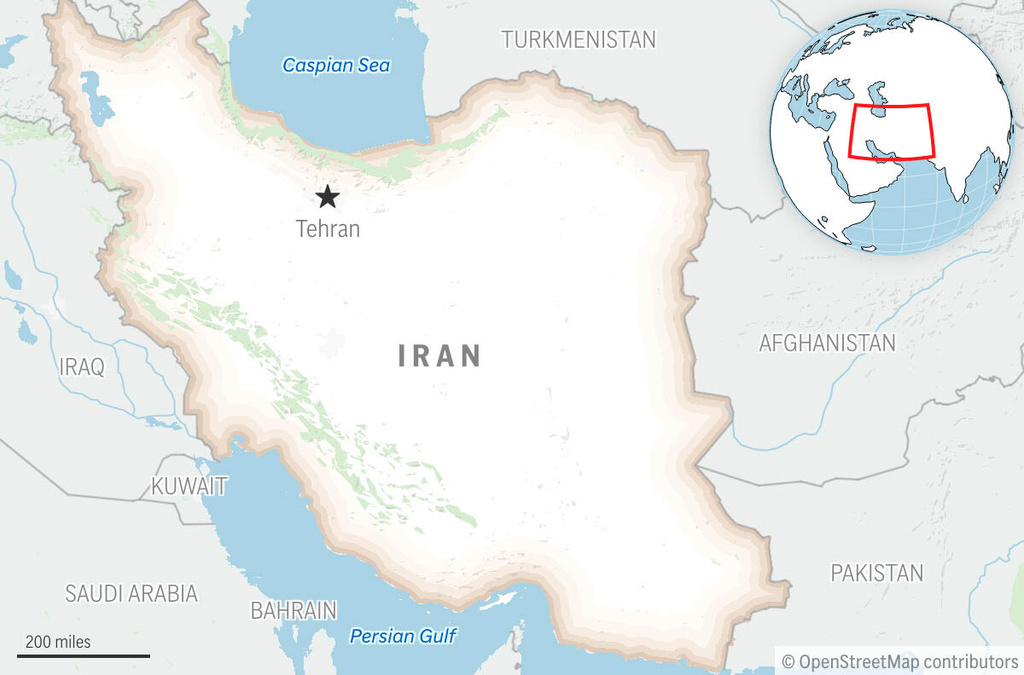

Israeli officials reported Sunday that Iran had fired missiles toward their territory, marking the first attack of this kind since a tentative ceasefire was established in early April, further complicating ongoing diplomatic efforts to bring the conflict to an end.
Iranian state media verified the missile launch, and residents in northern Israel reported hearing multiple explosions. Israeli military officials stated they were attempting to intercept the incoming missiles but acknowledged “the defense is not hermetic,” noting that warning sirens were activated across multiple regions.
The Iranian response followed Israel’s unannounced attack on Beirut’s southern neighborhoods on Sunday, carried out despite Washington’s recent appeals to refrain from such actions. Israeli officials described their strike as retaliation for earlier attacks by the Iranian-backed Hezbollah against northern Israeli territory.
The Israeli bombardment of Beirut occurred just days after Lebanese and Israeli officials had reached a ceasefire agreement through U.S.-mediated negotiations, although Hezbollah has refused to accept the arrangement. According to Lebanon’s health ministry, the attack on a residential structure resulted in two deaths and 20 injuries.
Iranian officials had previously stated that any assault on Beirut would trigger renewed widespread conflict throughout the Middle East region, even as Pakistan attempts to facilitate renewed dialogue between Tehran and Washington. Iran maintains that any agreement must encompass an end to hostilities in Lebanon.
Israel’s military operations and ground offensive in Lebanon targeting Hezbollah, along with the militant organization’s refusal to disarm, have hindered progress toward a comprehensive regional peace agreement. Iranian leadership insists that any settlement must address the cessation of fighting in Lebanon.
The White House has not issued a statement regarding Israel’s Beirut operation. Israeli authorities had previously announced plans to target southern areas of Lebanon’s capital on Monday, but intensive discussions through Washington prevented this action on the condition that Hezbollah cease attacks on Israeli border communities.
Hezbollah has not yet taken responsibility for the earlier Sunday attacks on Israel.
The militant group opposes the direct negotiations between Lebanon and Israel, instead backing Iran’s position that a comprehensive ceasefire arrangement between Tehran and Washington should address the Lebanese situation.
Diplomatic initiatives for a broader agreement continued Sunday as Pakistan’s interior minister traveled to Iran for official discussions, while Egypt announced that its foreign minister and his Qatari counterpart had reviewed “proposed elements” of a possible deal, though specific details were not disclosed.
U.S. President Donald Trump has not addressed the conflict on Sunday, but in a “Meet the Press” interview recorded Friday and broadcast afterward, he expressed support for “a more surgical attack on Hezbollah.” He also indicated he was “not demanding” that Lebanon be included in any comprehensive ceasefire agreement regarding the Iran conflict.
Meanwhile, Iran has maintained its control over the Strait of Hormuz while the U.S. continues blocking Iranian ports, disrupting shipments of oil, natural gas and fertilizer and causing economic strain globally.
Israeli Prime Minister Benjamin Netanyahu, facing elections later this year, intends to continue Israel’s military campaign until he determines that Hezbollah no longer represents a threat.
Pakistan’s interior minister was present in Tehran on Sunday. Mohsin Naqvi was carrying a communication to Iranian Supreme Leader Ayatollah Mojtaba Khamenei from Pakistan’s army chief Field Marshal Asim Munir, according to Iran’s state-run IRNA news agency. The message’s specific contents were not revealed.
Khamenei has remained out of public view since assuming leadership of the Islamic Republic following his father’s death on Feb. 28, the conflict’s opening day.
According to official Iranian media, Naqvi held meetings with Iranian Interior Minister Eskandar Momeni on Saturday evening and Foreign Minister Abbas Araghchi on Sunday.
Pakistani officials have indicated that Islamabad, working alongside regional partners including Qatar, Turkey and Egypt, is attempting to facilitate dialogue between the United States and Iran.
In Cairo, Egyptian Foreign Minister Bader Abdelatty and Qatari counterpart Sheikh Mohammed bin Abdulrahman Al Thani reviewed “proposed elements” of a potential U.S.-Iran agreement, according to the Egyptian foreign ministry, though no specifics were provided.