
A new agreement between the United States and Iran is designed to bring an end to their conflict, reopen a critical global shipping lane, ease economic sanctions on the Islamic Republic, and restart nuclear negotiations — with a 60-day deadline to work out the details.
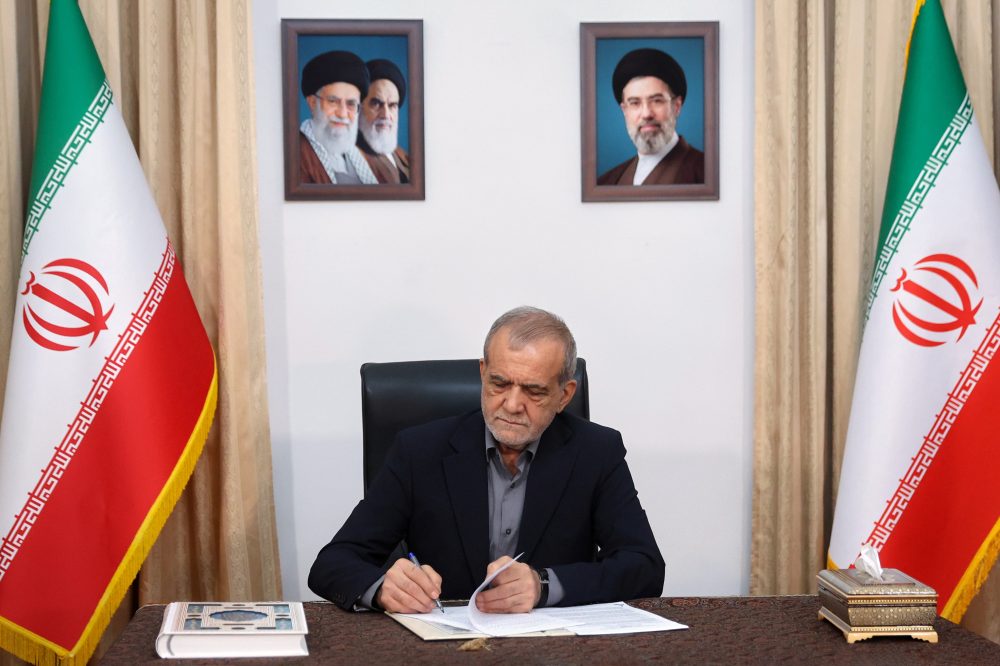
The document was signed by U.S. President Donald Trump and Iranian President Masoud Pezeshkian, but experts say it leaves a number of major issues unresolved following the three-month regional conflict that rattled the global economy. U.S. officials say those outstanding matters will be addressed during the 60-day window.
Here is a look at the key questions surrounding the deal and the best answers available right now.
Trump has stated that one of the primary goals of the war was to stop Iran from obtaining a nuclear weapon — something Iran has consistently denied pursuing. The surprise military strike launched jointly by the U.S. and Israel on February 28 came while Iran was already engaged in nuclear discussions. Those talks are now set to resume under the new agreement.
Reaching a comprehensive nuclear agreement before the 60-day deadline — which could potentially be extended — will be an enormous challenge. The 2015 nuclear deal, which Trump walked away from during his first term in office, required more than 18 months of negotiations and involved highly technical discussions among nuclear specialists.
Iran has long maintained its right to enrich uranium. The current agreement does not specify what level of enrichment would be permitted — whether the lower levels used for power generation or the significantly higher levels Iran had reached before the war, which left its uranium just one technical step away from weapons-grade material.
Iran’s stockpile of highly enriched uranium is believed to have been largely destroyed in U.S. airstrikes last year. The agreement states that whatever remains will at minimum be diluted in place under United Nations supervision, though it provides no further detail. Trump has repeatedly called for the stockpile to be removed from Iranian soil entirely.
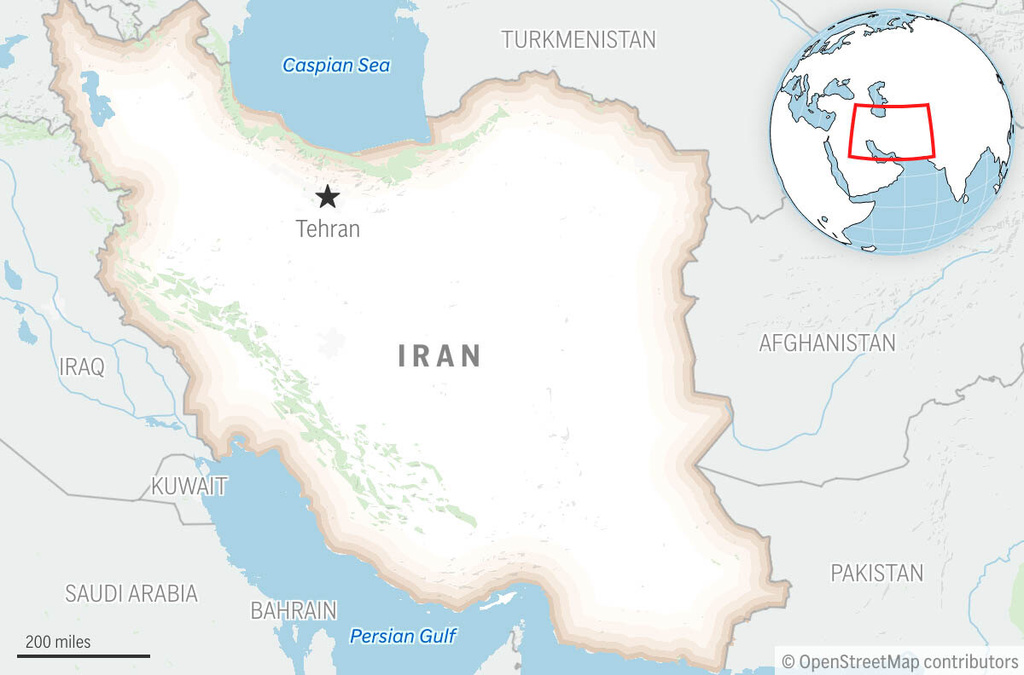
Iran’s blockade of the Strait of Hormuz — a narrow waterway through which one-fifth of the world’s oil and gas flowed before the conflict — triggered a massive global fuel crisis, sending prices soaring for everything from gasoline and groceries to fertilizer and airline tickets.
Maritime data firm Lloyd’s List Intelligence reported Thursday that major shipping companies have begun moving vessels through the strait once again.
The agreement calls for the waterway to be fully reopened, with Iran required to clear mines within 30 days. Commercial ships will not face any charges during the 60-day period outlined in the deal.
Prior to the war, passage through the strait was free of charge. Iran began imposing tolls during the fighting and has indicated it intends to keep collecting fees. Legal experts say such charges would violate international maritime law, and the U.S. has firmly rejected the idea. The fees could also conflict with existing sanctions on Iran, creating complications for shipping companies.
Even with the strait reopened, analysts warn it could take weeks or months before oil and gas flows return to normal levels. Ship captains and insurance companies will need to assess whether it is truly safe to transit the waterway. Hundreds of vessels that have been stranded in the Persian Gulf for months will need to pass through the narrow, curved passage. Even a brief exchange of fire — which occurred multiple times following a ceasefire declared in April — could bring traffic to a halt again.
Major energy producers in the Gulf region, including Kuwait, Qatar, and the United Arab Emirates, will also need time to repair infrastructure that was damaged by Iranian missile and drone attacks.
The U.S. says it has lifted its naval blockade as part of the agreement. The deal also includes sanctions waivers that will allow Iran to export oil again, which should help stabilize Iran’s damaged economy and likely push global fuel prices lower. The U.S. has also committed to releasing frozen Iranian funds held in accounts abroad.
A broader set of international sanctions tied to Iran’s nuclear activities, its support for militant organizations, and human rights concerns are also slated to be lifted — but only as part of a final nuclear agreement. U.S. Vice President JD Vance indicated that any sanctions relief would be “performance-based.”
The agreement calls for the United States and its regional allies to establish a $300 billion reconstruction fund for Iran, but it does not identify who would actually provide the money. Trump has said the U.S. will not contribute, and Vance has suggested wealthy Gulf nations should foot the bill. However, those countries are unlikely to be enthusiastic about funding Iran when their own economies are struggling from the war’s impact and their own infrastructure has been damaged in Iranian attacks.
The deal calls for an immediate end to military operations “on all fronts, including in Lebanon,” where Israel has been engaged in fighting against the Iran-backed Hezbollah militant group. It also calls for protecting Lebanon’s “territorial integrity and sovereignty.”
What the agreement does not address is whether Israel would pull back from the large portions of southern Lebanon it has occupied since Hezbollah entered the conflict early on by firing rockets and drones at northern Israel. Israeli Prime Minister Benjamin Netanyahu, who is facing elections later this year, has refused to withdraw, insisting Israeli forces will stay until the threat from Hezbollah is eliminated. Hezbollah has said it will not stop its own attacks while Israeli forces remain on Lebanese soil, and Iran has demanded that Lebanon be included in any ceasefire arrangement. Ongoing fighting in Lebanon could potentially collapse the entire deal if either Iran or the U.S. concludes the other side has broken it.
The agreement is silent on both Iran’s missile arsenal and its network of militant allies. Trump suggested this week that Iran should be permitted to maintain some ballistic missiles in proportion to what its neighboring countries possess. Iran still holds missiles capable of striking Israel and has long provided support to groups including Hezbollah, Hamas in Gaza, Houthi rebels in Yemen, and militias operating in Iraq. Dismantling Iran’s missile capabilities and weakening its network of allied militant groups had been stated objectives of the U.S. war effort. Any sanctions relief Iran receives could potentially free up money to continue funding those groups, though Iran will need to weigh that against its urgent economic and reconstruction needs.