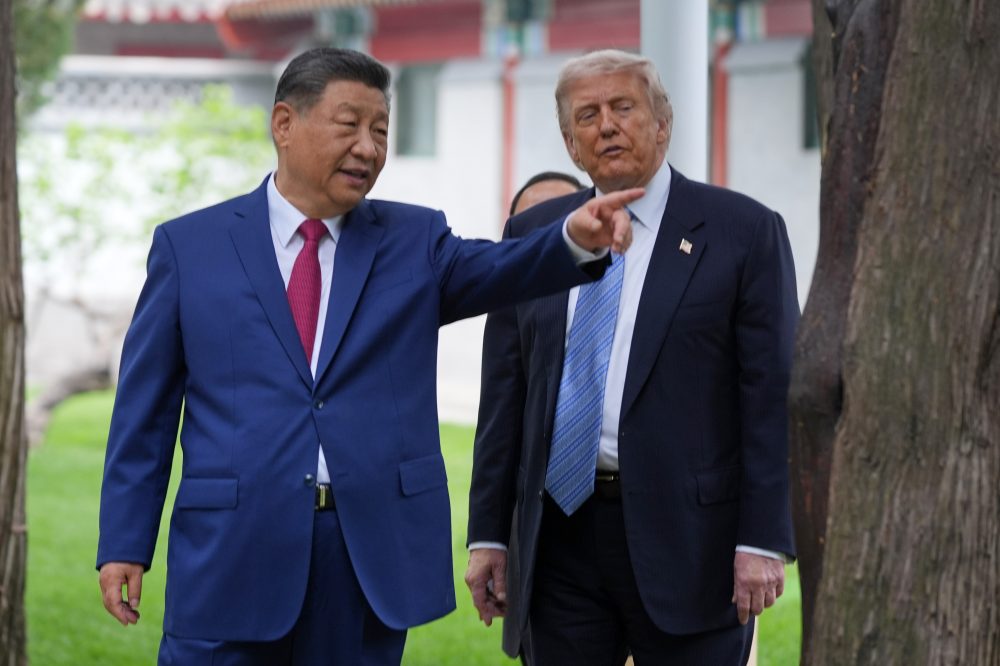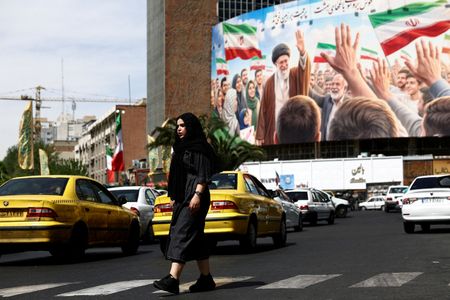

Federal intelligence officials are conducting assessments on Iran’s potential reactions should President Donald Trump announce a unilateral victory in the current conflict that has stretched into its second month, according to two government sources and an individual with knowledge of the situation.
Senior administration leaders have requested these intelligence evaluations as part of broader strategic planning. Sources indicate the analysis aims to gauge consequences of Trump potentially stepping back from military engagement that some advisers fear may hurt Republican prospects in upcoming midterm contests.
Although no final determination has been reached – and military escalation remains possible – a rapid de-escalation might relieve political pressures facing the president. However, such a move could strengthen Iran’s position, potentially allowing the nation to reconstruct its nuclear capabilities and missile infrastructure while posing renewed threats to regional U.S. partners.
Sources requested anonymity when discussing classified intelligence operations.
The timeline for completing these intelligence assessments remains unclear, though agencies have previously evaluated Iranian leadership responses to potential American victory announcements.
Following the February bombing operations, intelligence evaluations concluded that Iranian officials would likely interpret a Trump victory declaration coupled with regional force reductions as their own success, according to one source.
Alternatively, if Trump claimed victory while maintaining substantial military presence, Iran would probably view this as diplomatic maneuvering rather than genuine conflict resolution, the same source explained.
Both the CIA and Office of the Director of National Intelligence refused to provide statements.
White House representative Anna Kelly stated the administration continues Iranian negotiations and will “not be rushed into making a bad deal.”
“The president will only enter into an agreement that puts U.S. national security first, and he has been clear that Iran can never possess a nuclear weapon,” she said.
Public opinion data reveals widespread American opposition to the military campaign. Recent Reuters/Ipsos polling found just 26% of Americans believe the operation justified its costs, while only 25% feel it enhanced national security.
Three individuals familiar with recent White House conversations describe Trump as acutely conscious of political consequences affecting both himself and his party.
Despite Trump’s ceasefire declaration twenty days ago, diplomatic efforts have failed to fully reopen the economically critical Strait of Hormuz. Tehran’s attacks on vessels and mine deployment have kept the strategic waterway largely closed.
This shipping disruption affects approximately 20% of global crude oil transport, driving up worldwide energy costs and American gasoline prices. Iran’s commercial disruption capabilities provide significant leverage against the United States and allied nations.
Reducing American military presence while mutually ending the blockade would eventually lower fuel costs.
Nevertheless, both nations appear distant from reaching any accord.
Trump recently cancelled a planned meeting between his special representative Steve Witkoff and son-in-law Jared Kushner with Iranian representatives in Pakistan. He told reporters Saturday the process would require “too much time” and suggested Iran could simply “call” if interested in discussions.
Military alternatives remain officially available, including renewed airstrikes targeting Iranian military and political leadership, according to someone familiar with administration planning.
However, one official and another knowledgeable source indicated that extensive options like ground invasion of Iranian territory appear less probable than several weeks ago.
A White House representative characterized domestic pressure on the president to conclude the conflict as “enormous.”
One source noted Iran has utilized the ongoing ceasefire to recover launchers, ammunition, drones and other equipment previously buried during initial U.S. and Israeli bombardments.
Consequently, the tactical challenges of resuming full military operations have potentially increased since the April 8 ceasefire began.