
JAKARTA, Indonesia — The Indonesian government is implementing sweeping new rules that will place state-owned companies in charge of exporting crucial natural resources, including palm oil, coal, and iron alloys.
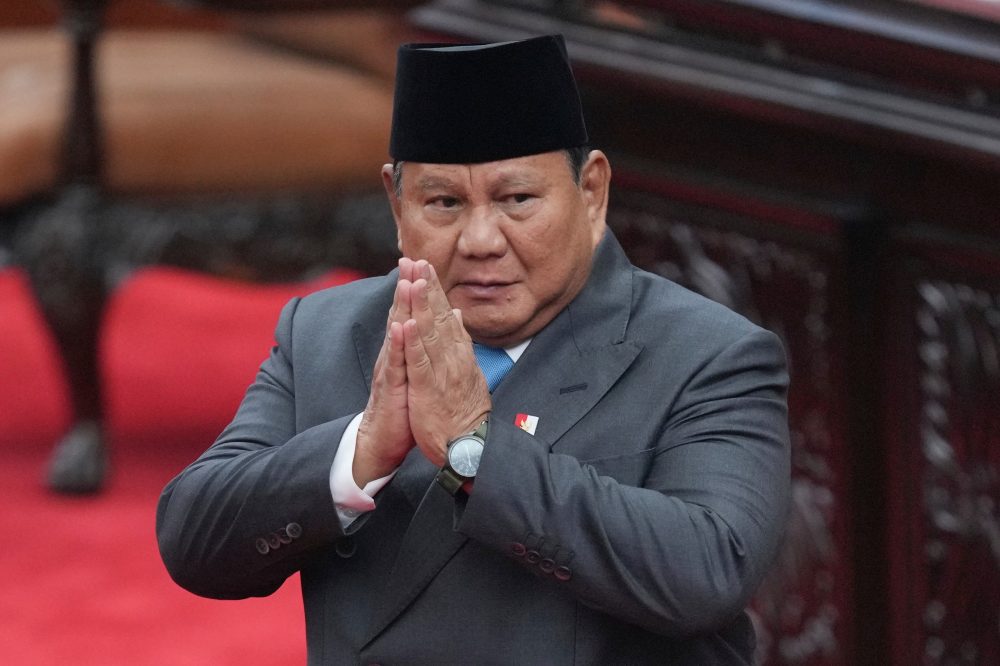
Speaking to parliament on Wednesday, President Prabowo Subianto revealed that Indonesia has suffered losses of up to $908 billion from commodities being sold below their true value on international markets. Enhanced government oversight will generate additional revenue for state budgets, he explained, calling the practice of underreporting exports to avoid taxes “fraud or deception.”
“The primary objective of this policy is to strengthen oversight and monitoring — and to combat under-invoicing, transfer pricing and the diversion of export proceeds,” Prabowo said.
Indonesia dominates global markets as the top supplier of thermal coal and palm oil. The Southeast Asian country, home to approximately 287 million people, also possesses the planet’s largest confirmed nickel deposits — a strategic mineral both China and the United States are vying to secure.
Currently, government-owned companies manage just a small fraction of Indonesia’s commodity export operations, according to industry analysts.
Enhanced government involvement will provide Indonesia with stronger “bargaining power” when negotiating with major world powers seeking access to the nation’s abundant natural resources, according to Dinita Setyawati from the energy research organization Ember.
The centralized commodity management approach might also help Indonesia tackle persistent environmental damage from excessive resource extraction, she noted, though success will hinge on proper policy execution.
“There’s going to be a question of trust,” Setyawati said. “Most notoriously, corruption needs to be watched to make sure that everything goes according to what it should be.”
In recent months, authorities have intensified efforts against illegal mining activities. The administration has promoted domestic processing of materials like coal and nickel, implementing a ban on unprocessed nickel ore exports in 2020.
This week’s declaration from Prabowo represents the administration’s most significant step toward direct commodity oversight, said Putra Adhiguna from the Energy Shift Institute, a Jakarta-based research group.
He explained the measures will increase government income and help offset budget gaps created by expanded subsidies designed to shield consumers from elevated fuel costs resulting from energy market disruptions linked to the Iran conflict. This could substantially affect the nation’s economy.
Indonesia’s central bank increased its benchmark interest rate by half a percentage point to 5.25% on Wednesday, primarily responding to the declining value of the rupiah currency.
The export oversight initiative’s initial stage is scheduled for June through August, when private firms will transfer their trading operations to government-owned enterprises. State companies are projected to oversee all commercial transactions between international purchasers and domestic suppliers by September.
“This policy will optimize tax revenue and government revenue, as well as the management and sale of our natural resources,” Prabowo said. He continued that “we do not want our revenue to be the lowest simply because we lack the courage to manage what belongs to us, what belongs to the Indonesian people.”