
NEW DELHI (AP) — A satirical political movement known as the Cockroach Janata Party, which started as an internet joke but has gained millions of followers throughout India, faces its most significant challenge on Saturday when its creator is expected to spearhead a demonstration in New Delhi.
The demonstration, organized at Jantar Mantar in India’s capital city, represents the movement’s initial venture into on-the-ground political action following weeks of controlling social media platforms and capturing news attention, drawing millions of digital supporters and extensive backing from India’s youth.
Participation numbers remain uncertain. However, the demonstration will serve as an initial indicator of whether the movement can transform its digital success into wider community backing amid increasing dissatisfaction among India’s young people regarding education, employment and financial opportunities.
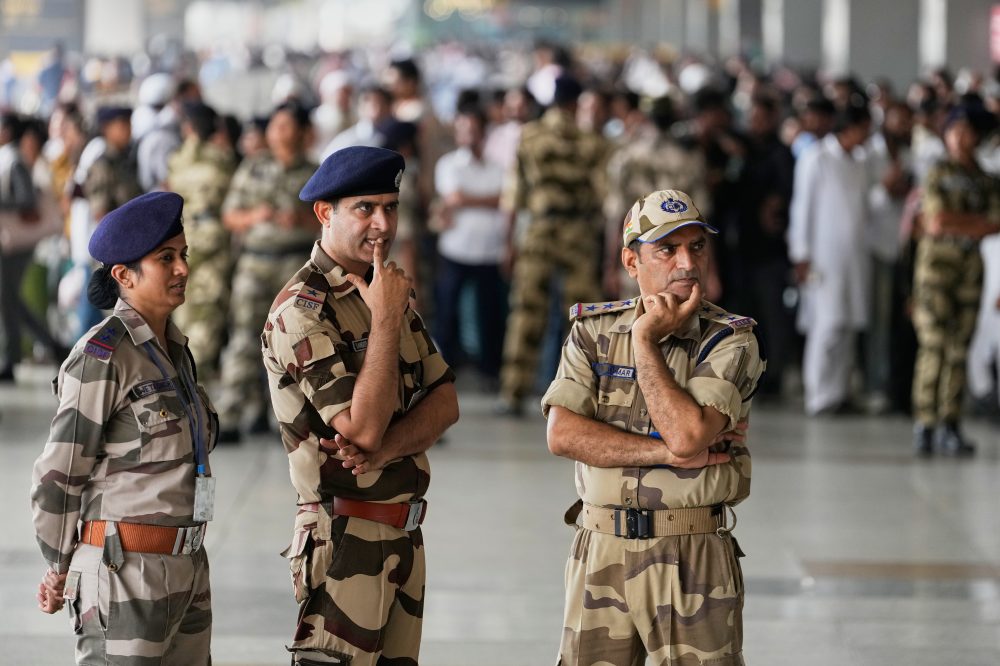
Abhijeet Dipke, who created the digital movement, is set to reach the capital from the United States on Saturday for the demonstration. Authorities positioned metal barriers at New Delhi’s international airport arrival areas.
The Cockroach Janta Party, known as CJP, started just three weeks earlier and became an unexpected platform for dissatisfaction among supporters who embrace the “cockroaches” label.
India’s Chief Justice Surya Kant compared critics and certain jobless young people to cockroaches during a May court session, creating anger among dissatisfied young Indians. Dipke, who studies political communications strategy at Boston University, transformed the slight into motivation for a satirical political organization. Within seven days of creating a website and social media presence, CJP’s Instagram account had gathered over 15 million followers.
The organization has transformed the cockroach into a sardonic symbol of persistence and political expression. Content and internet humor mocking joblessness, corruption and governmental failures have received millions of online views. Satirical CJP profiles have also embraced the cockroach as their political emblem, utilizing internet humor, fake campaign messages and comedic analysis.
The movement’s ironic approach combines self-mocking comedy with governmental critique. Followers jokingly characterize themselves as jobless, constantly online and excluded from significant power. Under the comedy exists wider criticism of Prime Minister Narendra Modi’s administration, with CJP followers claiming that regular Indians, especially younger citizens, face diminished prospects.
India’s youth represent over one-fourth of the nation’s population but encounter restricted employment options, increasing joblessness and growing disappointment with established politics. Many younger voters also criticize Modi’s governing Hindu nationalist Bharatiya Janata Party, expressing worries about increasing religious division, expanding inequality and growing financial strain.
The movement’s doubters, especially Modi’s party supporters, reject the occurrence as merely a social media stunt. They contend the movement’s digital success might not convert to street organizing and that its quick growth will probably be temporary.
The organization’s emergence reflects a comparable pattern throughout South Asia where youth movements created through social media have central positions in anti-government demonstrations, including uprisings in Sri Lanka and Bangladesh and disturbances in Nepal.
CJP leaders utilized social media during the week to gather supporters for Saturday’s march, calling for Education Minister Dharmendra Pradhan’s resignation. The request originated from an exam irregularity dispute in May that rapidly became a wider platform for dissatisfaction regarding India’s educational system and restricted employment prospects.
Attendees received encouragement to carry India’s national flag and a book, which leaders stated represented educational rights and equal opportunities for everyone. Leaders also encouraged demonstrators to stay peaceful and prevent any conflicts with authorities.
“Time to turn this tiny joke into a revolution,” the official CJP account on X posted Friday.
The movement continues to encounter substantial obstacles. During the last ten years, Indian officials under Modi have attempted to eliminate protests opposing his administration, including demonstrations against disputed citizenship laws and year-long farmers’ protests.
Certain protest movements have also encountered legal proceedings against leaders and activist detentions, which represents part of what critics characterize as a wider attempt by officials under Modi to silence opposition.