
Iceland’s Cabinet has greenlit a proposal for a summer referendum asking voters whether the nation should restart negotiations to join the European Union, according to national broadcaster RUV.
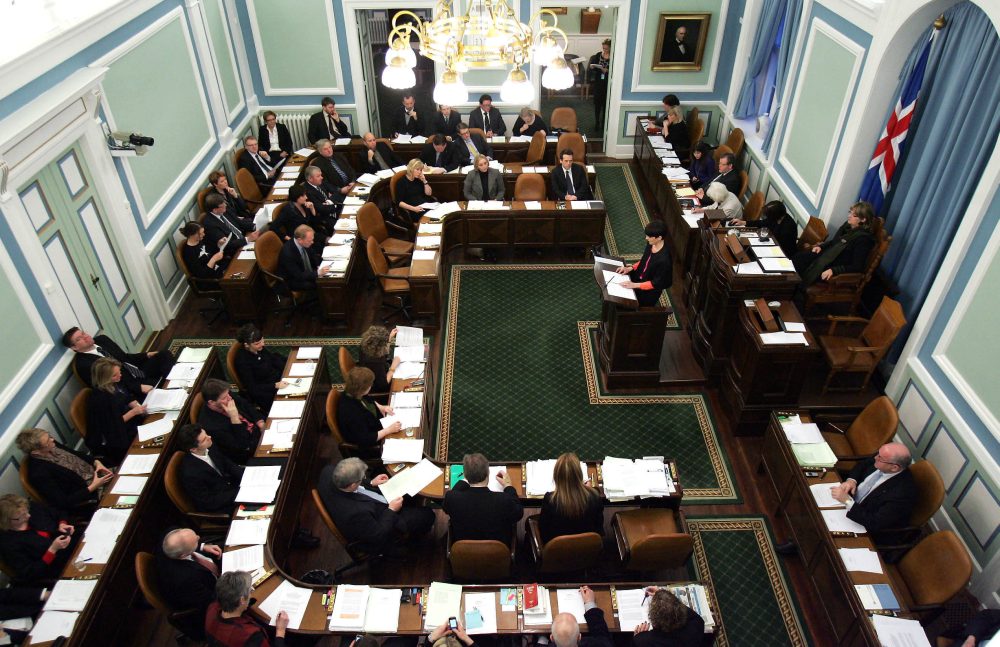
The government approved the resolution Friday, scheduling the vote for August 29. However, Iceland’s parliament, known as the Althingi, must first give its approval before citizens can head to the polls.
This Arctic island nation of 400,000 residents is reconsidering its relationship with the EU as geopolitical tensions mount and economic pressures intensify.
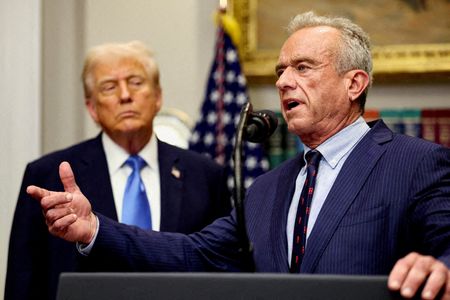
The center-left coalition led by Prime Minister Kristrun Frostadottir, which took office in 2024, originally planned to conduct this referendum by 2027. However, recent statements by U.S. President Donald Trump about acquiring Greenland prompted officials to accelerate their timeline.
During heated international discussions about his territorial ambitions, Trump repeatedly confused Greenland with Iceland in his public remarks.
Multiple factors have heightened Iceland’s security anxieties, including inflation concerns, the ongoing conflict between Russia and Ukraine, and strained relationships across the Atlantic. Without its own military forces, Iceland depends on NATO protection and a defense partnership with the United States.
Iceland has historically resisted EU membership due to fears of losing control over its valuable fishing territories in the North Atlantic to vessels from other European countries.
The nation initially sought EU membership in 2009 following the devastating collapse of its banking industry during the worldwide financial meltdown. However, negotiations were put on hold in 2013 when conservatives took power, and talks officially concluded in 2015.
Currently, Iceland maintains access to EU markets through the European Economic Area agreement and participates in the Schengen zone, which allows unrestricted travel between member countries.
The EU is presently conducting membership discussions with ten nations, including Albania, Moldova, Montenegro, and Ukraine leading the queue.
EU membership involves an extensive, multi-year evaluation process overseen by the European Commission, examining 35 different areas ranging from government transparency and financial systems to fishing rights, transportation infrastructure, farming policies, and fundamental freedoms including expression and worship.
Every existing EU member must vote unanimously to accept new applicants. Hungary has indicated it may block Ukraine’s potential membership.