
The nation’s highest court heard oral arguments Monday in a case that could reshape how mail-in ballots are handled across the country, with justices weighing whether states should be allowed to accept and tally ballots that arrive after Election Day.
While every state mandates that ballots must be cast or bear a postmark by Election Day, 14 states currently provide extended timeframes for receiving and processing mailed ballots, with some allowing up to several weeks past the election for counting.
The court’s decision, expected by the end of June, will be implemented in time to affect ballot counting procedures for the 2026 midterm elections.
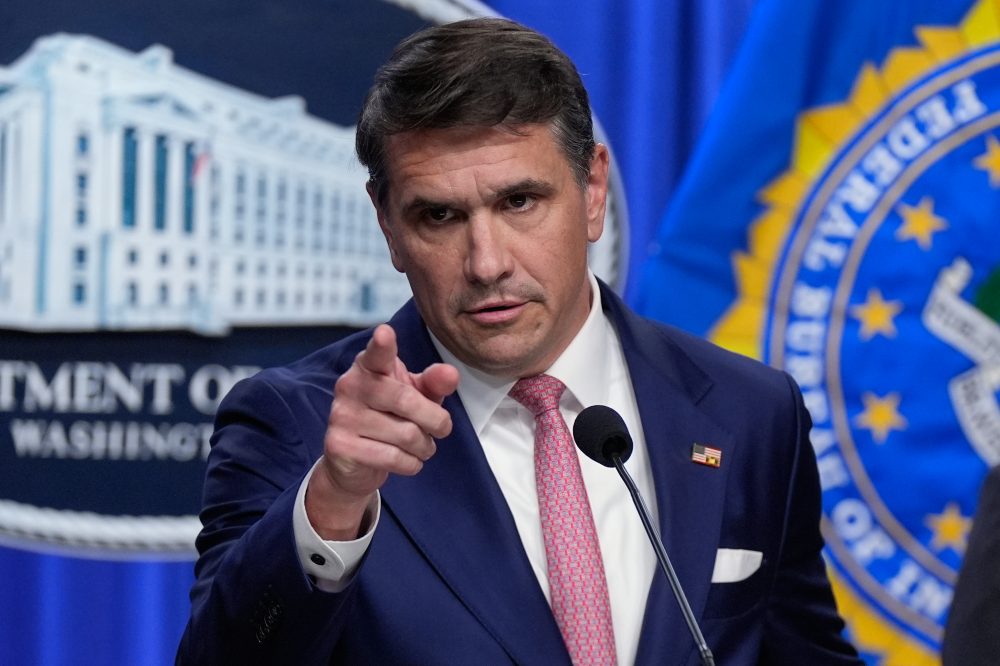
Leading the argument against late ballot counting, Solicitor General D. John Sauer made his eighth appearance before the high court, advocating for eliminating grace periods except for military personnel and overseas voters. Sauer previously secured a major victory with the presidential immunity ruling that protected Trump from prosecution related to 2020 election challenges.
Defending state laws, former Bush administration Solicitor General Paul Clement presented his eighth case this term, adding to his extensive record of over 125 Supreme Court arguments since 2001. Mississippi’s Solicitor General Scott Stewart, who previously convinced the court to overturn abortion rights in the 2022 Dobbs decision, defended his state’s ballot laws in his second high court appearance.
Data from the U.S. Election Assistance Commission reveals that mail-in voting expanded in 2024, with three Trump-supporting states – Indiana, South Dakota, and Utah – along with Washington showing increased mail ballot usage compared to 2020. Approximately 30% of voters nationwide used mail ballots in 2024, up from the typical 25% in pre-pandemic elections, though below the 43% recorded during the 2020 election.
California election officials expressed concerns about potential impacts beyond mail ballots. Jesse Salinas, who leads the California Association of Clerks and Election Officials, warned that eliminating grace periods could force all ballot counting to conclude by midnight on Election Day.
“So all of those folks who will want to register and vote on Election Day, we just simply won’t have the ability to process all those” ballots before midnight, he said. This would particularly affect young voters who frequently use California’s same-day registration option.
Alaska faces unique challenges due to its vast geography and remote communities accessible only by plane or boat. The state’s 10-day grace period proves crucial given limited postal services in rural areas, with Native voting rights advocates emphasizing its importance.
Statistics from Alaska’s 2022 general election show that roughly 20% of absentee ballots arrived after Election Day, with even higher percentages from the state’s most isolated communities. Republican Senator Lisa Murkowski highlighted the potential consequences, stating “there’s probably no other state where this ruling could have a more detrimental impact than ours.”
Both Alaska Native voting advocates and state legal officials submitted briefs to the Supreme Court outlining the critical need for extended ballot receipt periods given the state’s geographic realities.