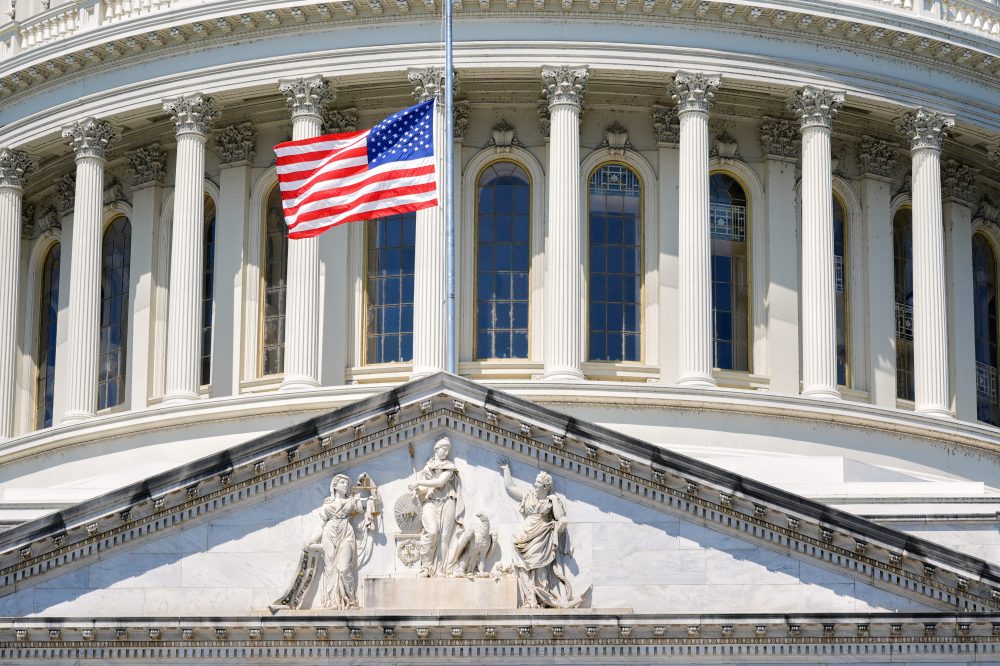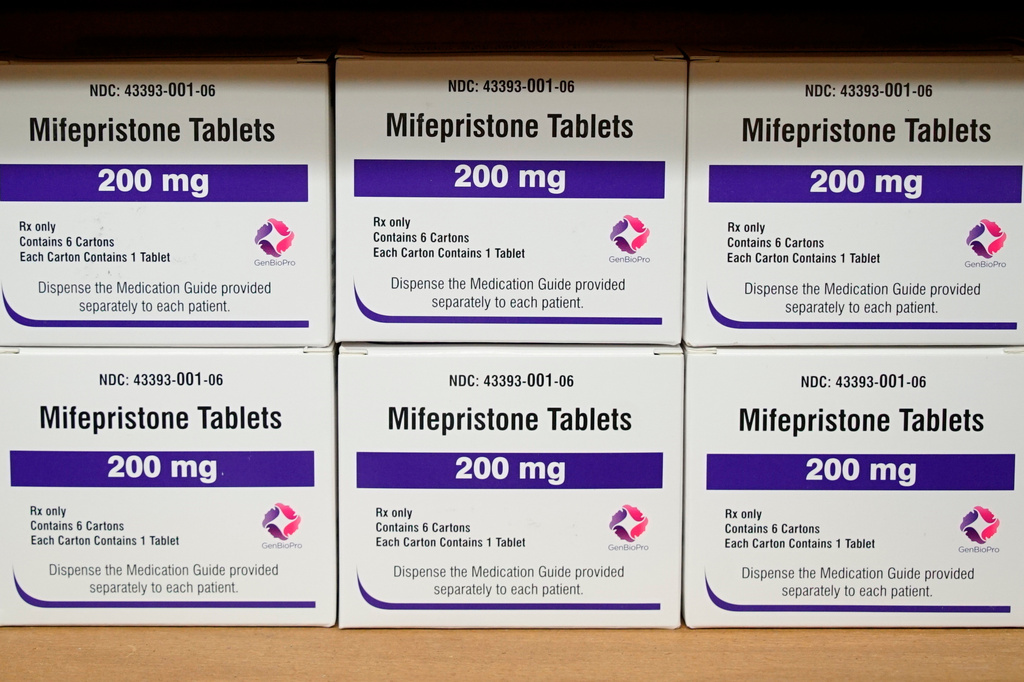

WASHINGTON — The nation’s highest court ruled Thursday to maintain current access to mifepristone, an abortion medication, while rejecting restrictions imposed by lower courts as legal challenges move forward.
The ruling enables women to continue receiving mifepristone from pharmacies or via mail delivery without mandatory in-person physician consultations. This access is expected to continue uninterrupted through at least next year as the legal proceedings advance, potentially reaching the high court again.
The justices approved urgent petitions from mifepristone manufacturers who are challenging a federal appeals court decision that would mandate face-to-face doctor appointments and end mail-order delivery of the medication. The Food and Drug Administration initially authorized mifepristone for abortion procedures in 2000 and eliminated the in-person consultation requirement five years ago.
Two justices, Clarence Thomas and Samuel Alito, opposed the decision. Thomas stated in his dissent that the two manufacturers, Danco Laboratories and GenBioPro, should not receive court protection to avoid “lost profits from their criminal enterprise.”
Anti-abortion organizations, expressing dissatisfaction with President Donald Trump’s administration, are urging the FDA to accelerate a review process they anticipate will lead to mifepristone limitations, including prohibiting prescriptions through telehealth services. The Republican administration maintains the review process requires adequate time.
This week, FDA Commissioner Marty Makary stepped down following sustained criticism from Trump’s political supporters, particularly abortion opponents.
Susan B. Anthony Pro-Life America and allied organizations had urged Trump to dismiss Makary due to delays in the mifepristone review process.
This represents the court’s most recent abortion-related decision, coming four years after its conservative majority reversed Roe v. Wade, enabling over a dozen states to implement near-total abortion prohibitions.
The current case originates from Louisiana’s legal action seeking to reverse Food and Drug Administration regulations governing mifepristone prescriptions. The state argues these policies undermine its abortion prohibition and raises safety concerns about the medication, despite repeated FDA scientific assessments confirming its safety and effectiveness.
Alito, who authored the Roe reversal opinion, acknowledged that the state’s enforcement efforts have been hindered by healthcare providers and private organizations shipping the pills to Louisiana women despite the abortion ban. He wrote that Danco and GenBioPro “are obviously aware of what is going on yet nevertheless supply the drug and reap profits from its felonious use in Louisiana.”
Thomas referenced the Comstock Act, an 1800s-era statute that remains largely unenforced, which prohibits mailing any “article, instrument, substance, drug, medicine, or thing which is advertised or described in a manner calculated to lead another to use or apply it for producing abortion.”
Lower court judges determined Louisiana would likely succeed in its case, and a three-member panel from the 5th U.S. Circuit Court of Appeals decided mail delivery and telehealth appointments should halt during litigation.
The medication typically works alongside another drug, misoprostol, for abortion procedures. Medication-based abortions represented nearly two-thirds of all U.S. abortions in 2023, according to the most recent available data.
This legal battle resembles a previous case that reached the court three years earlier.
At that time, lower courts similarly attempted to limit mifepristone access in litigation initiated by anti-abortion physicians who filed suit following the Roe reversal.
The Supreme Court prevented the 5th Circuit decision from being implemented, with Alito and Thomas again dissenting. Subsequently, in 2024, the high court unanimously rejected the physicians’ lawsuit, determining they lacked proper legal standing to bring the case.