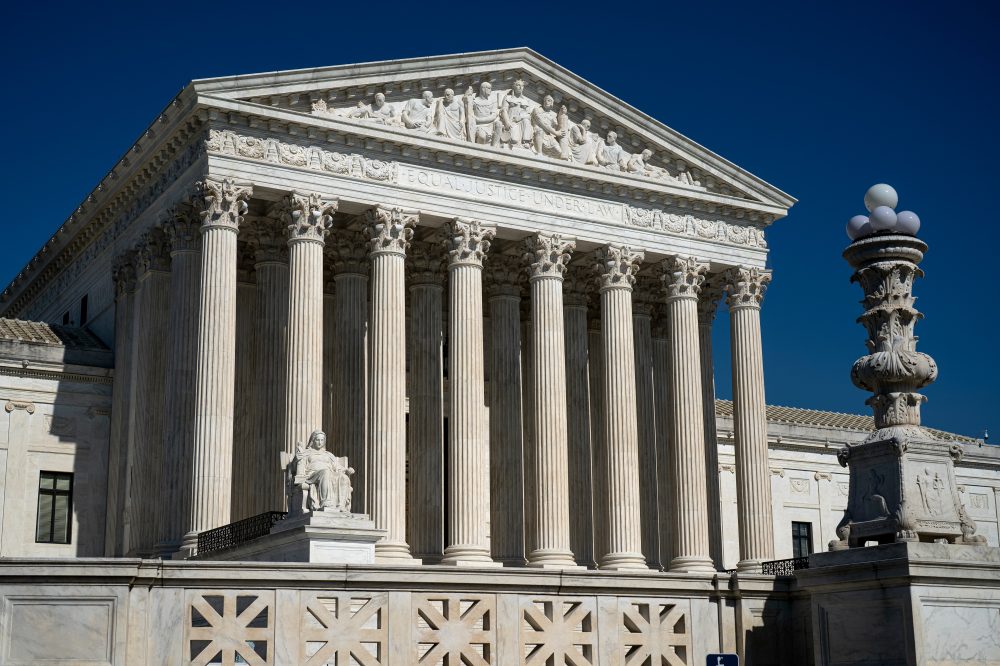

The nation’s highest court delivered a Thursday decision favoring a Black Mississippi death row prisoner who argued racial discrimination tainted his jury selection process.
In a narrow 5-4 decision, the justices supported Terry Pitchford, who received a death sentence for his involvement in a grocery store owner’s murder.
The jury that decided Pitchford’s fate included just one Black member, after a now-retired prosecutor with a documented pattern of excluding Black jurors for discriminatory reasons removed four other Black potential jurors.
This case bears striking similarities to another Black Mississippi death row prisoner whose conviction the Supreme Court reversed seven years earlier.
Four decades ago, the Supreme Court established in Batson v. Kentucky that prosecutors cannot remove jurors based on race, creating a framework for trial judges to assess discrimination claims and evaluate prosecutors’ race-neutral justifications.
The central question in Pitchford’s appeal concerned whether his defense team adequately challenged Judge Joseph Loper’s decisions and whether the state Supreme Court reasonably determined they had failed to do so.
The Supreme Court previously overturned Curtis Flowers’ death sentence and conviction in 2019, with Justice Brett Kavanaugh citing a “relentless, determined effort to rid the jury of Black individuals.” Doug Evans prosecuted that case as well, while Loper oversaw Flowers’ final two trials out of six total.
Pitchford, currently 40 years old, was just 18 when he and an accomplice planned to rob the Crossroads Grocery near Grenada in northern Mississippi. His companion fatally shot store owner Reuben Britt three times but escaped the death penalty due to being under 18. Pitchford faced capital murder charges and received a death sentence.
This legal battle has wound through the court system for two decades. In 2023, U.S. District Judge Michael P. Mills threw out Pitchford’s conviction, determining that the trial judge failed to provide adequate opportunity for Pitchford’s attorneys to challenge the prosecution’s improper dismissal of Black jurors.
Mills indicated that Evans’ conduct in previous cases influenced his decision. However, a unanimous three-judge panel from the 5th U.S. Circuit Court of Appeals later reversed that ruling.