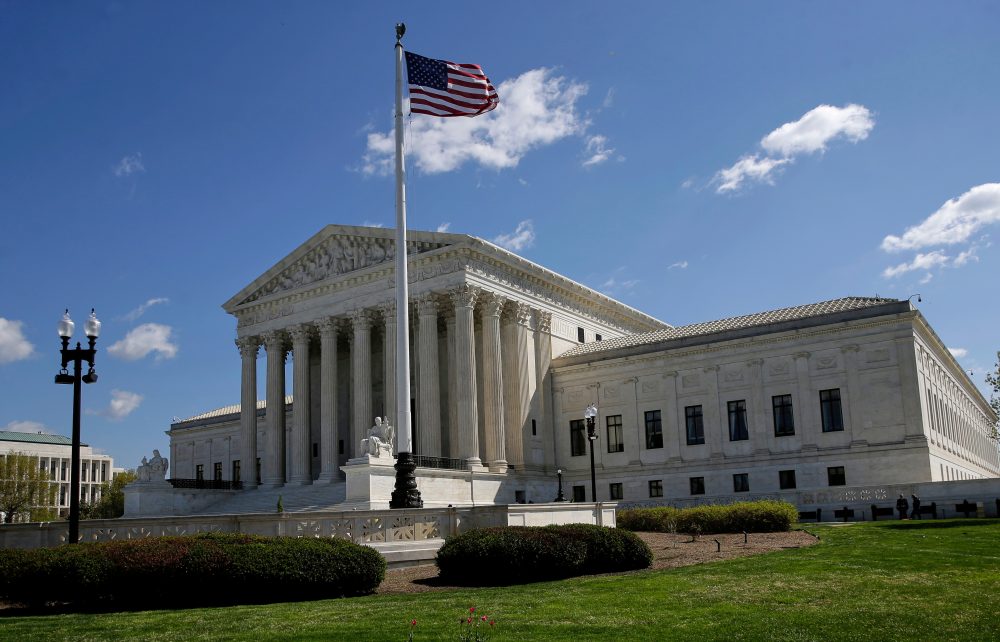

WASHINGTON — The nation’s highest court has given the green light for an Afghanistan war veteran to move forward with his legal case against a defense contractor following a devastating suicide attack that left him permanently disabled.
In a 6-3 decision Wednesday, the Supreme Court sided with Winston Hencely, a former Army specialist who sustained life-altering injuries while preventing a suicide bomber from reaching a Veterans Day 5K run at Bagram Airfield in 2016.
The attacker, Ahmad Nayeb, detonated his explosive device after Hencely confronted him, resulting in five deaths and injuries to more than a dozen others, according to legal filings.
The blast sent projectiles into Hencely’s skull and brain tissue, causing permanent damage to the left side of his body. Medical records show he now suffers from irregular brain activity, seizures, and traumatic brain injury, his legal team stated.
Following an Army probe that blamed Fluor Corporation for inadequate oversight of Nayeb, who constructed the explosive device while employed at the military installation, Hencely filed his state-level lawsuit against the company.
The Texas-based construction and engineering firm, headquartered in Irving, contended it should be shielded from legal action because it operated under government contract during active combat operations, which typically grants immunity from civil suits.
However, the Supreme Court rejected this argument. The court’s majority determined that while contractors receive protection when properly executing government agreements, Fluor allegedly breached its supervisory responsibilities regarding Nayeb.
Justice Clarence Thomas authored the majority decision, with support from Justices Sonia Sotomayor, Elena Kagan, Neil Gorsuch, Amy Coney Barrett and Ketanji Brown Jackson.
The three dissenting justices — Samuel Alito, John Roberts and Brett Kavanaugh — opposed the ruling. Alito expressed concern that Hencely’s legal action could interfere with military authority and wartime strategies, including policies that encouraged hiring Afghan nationals as contractors.