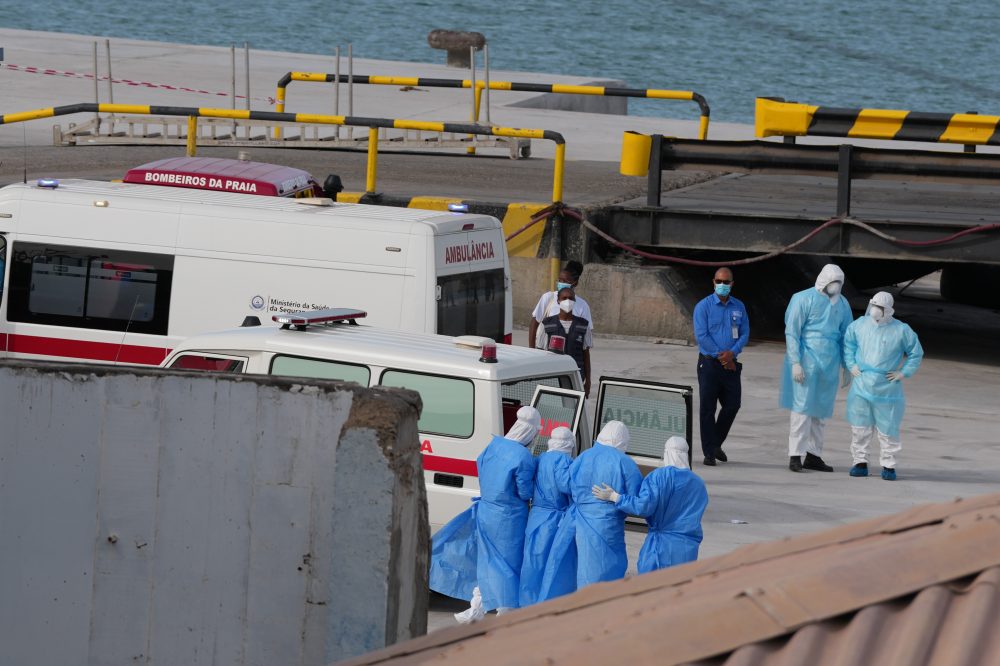

Health authorities worldwide are working to track down cruise ship passengers who may have been exposed to a deadly hantavirus outbreak that has claimed three lives, though officials remain confident the situation won’t develop into a widespread epidemic.
The virus typically doesn’t transmit easily from person to person, but health officials in multiple countries are conducting thorough contact tracing to locate and monitor individuals who may have encountered infected passengers.
Hantaviruses typically infect people when they breathe in contaminated particles from rodent waste. While human infections are uncommon, small clusters of cases have occurred globally. However, the Andes virus involved in this cruise ship incident might have the unusual ability to pass between people in certain circumstances, and viruses have the potential to evolve.
Researchers are racing to understand more about this particular virus, including whether genetic changes have occurred and the exact mechanisms of transmission.
Contact tracing aims to notify potentially exposed individuals, monitor them for developing symptoms, and stop further transmission to others.
The tracking process presents challenges because people naturally interact socially, move around frequently, spend time in busy locations, and travel extensively.
During this cruise ship incident, less than twelve individuals are believed to have developed symptoms, with only five confirmed infections, though many more passengers may have encountered the virus.
Approximately 140 passengers continue aboard the vessel as it travels toward the Canary Islands for disembarkation, with no reported illnesses among this group.
However, officials are attempting to locate dozens of passengers who departed the ship roughly two weeks after an initial death occurred, but before authorities identified hantavirus as the cause. These individuals came from at least twelve nations, including multiple U.S. states such as Arizona, California, Georgia, and Texas, according to disease specialists and state health departments.
Officials from St. Helena, the isolated volcanic British territory in the South Atlantic where passengers disembarked, reported they are observing a small group of individuals classified as “higher-risk contacts.” These people have been instructed to remain isolated for 45 days, the St. Helena government announced.
British health authorities report that two former ship passengers who flew home during the voyage are self-isolating without symptoms. The U.K. Health Security Agency stated that “a small number” of people who contacted these two individuals are also self-isolating but remain symptom-free.
Singapore health officials said they are observing two men who left the ship at St. Helena, traveled to South Africa, then returned home. These men, who arrived in Singapore at separate times, were undergoing hantavirus testing and quarantined at the nation’s National Center for Infectious Diseases, authorities reported.
The U.S. government has shared limited information regarding its contact tracing efforts.
Texas health officials announced Thursday that public health workers successfully contacted two people who departed the ship on April 24. These individuals report no symptoms and had no contact with sick passengers during the voyage. They agreed to conduct daily temperature monitoring and contact health officials if any signs of illness appear, authorities stated.
Two Canadian passengers who disembarked are currently in Ontario and have been instructed to self-isolate since returning home, according to the province’s health minister.
Beyond tracking individuals, scientists are also working to comprehend the pathogen itself. The Andes virus, part of the hantavirus group found in South America, may be among the uncommon hantaviruses capable of human-to-human transmission. Argentine officials suspect the initial cases may have originated during a birdwatching expedition in the southern city of Ushuaia.
Argentina’s Health Ministry has not yet deployed the team, but researchers from the government-funded Malbrán Institute planned to visit Ushuaia “in the coming days,” the ministry informed The Associated Press.
Scientists are examining the virus’s genetic makeup to determine if mutations have made it more easily transmissible.
They are also investigating the precise transmission methods, explained Dr. Jeanne Marrazzo, chief executive officer of the Infectious Diseases Society of America. Researchers believe people are primarily contagious when showing symptoms, and if the virus spreads between people, it may transmit through tiny droplets expelled when infected individuals speak, cough, or sneeze.