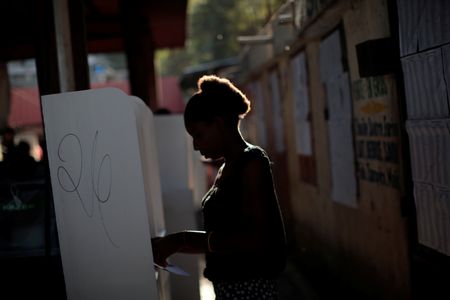

Haiti’s CEP electoral council announced Monday that the country will hold its first presidential election in ten years this coming December, with a runoff scheduled for February. The announcement comes after an earlier plan to hold the vote in August was pushed back due to serious security concerns.
The Caribbean nation has not conducted elections since 2016. The country’s last president, Jovenel Moise, was assassinated in 2021 after repeatedly delaying a vote. Every government since has faced the task of organizing elections, but each has cited the dangerous security environment — driven by powerful armed gangs — as a reason it couldn’t be done.
According to the electoral calendar published Monday, the first round of both presidential and legislative elections is set for December 13. A runoff vote would follow on February 21, with final results to be published March 7. Voters are also expected to weigh in on proposed constitutional changes and choose local representatives.
The council was careful to note that the entire schedule hinges on “the establishment of an acceptable security climate and the necessary funds to pursue electoral operations.”
Earlier this month, the council reported that voter registration had begun, electoral security agents were being trained, and a final list of more than 300 approved political parties had been published.
Despite these steps, analysts remain doubtful the new election dates will stick. Gang violence continues to fuel food shortages, extortion, kidnappings for ransom, and mass displacement. Roughly 12% of Haiti’s population is currently living in makeshift camps or staying with host families.
A broad gang alliance known as Viv Ansanm has seized control of most of the capital, Port-au-Prince, which is home to about a quarter of the country’s population. The gangs have also spread into central and rural parts of the country. Washington has designated Viv Ansanm a terrorist organization, accusing it of mass kidnappings, gang rapes, arson, indiscriminate killings, and trafficking in guns, organs, and drugs. The alliance has itself been seeking political recognition.
CEP President Jacques Desrosiers told Reuters late last year that the council had assessed hundreds of potential voting centers. However, access to many of those locations later deteriorated as armed gangs pushed beyond the capital’s boundaries.