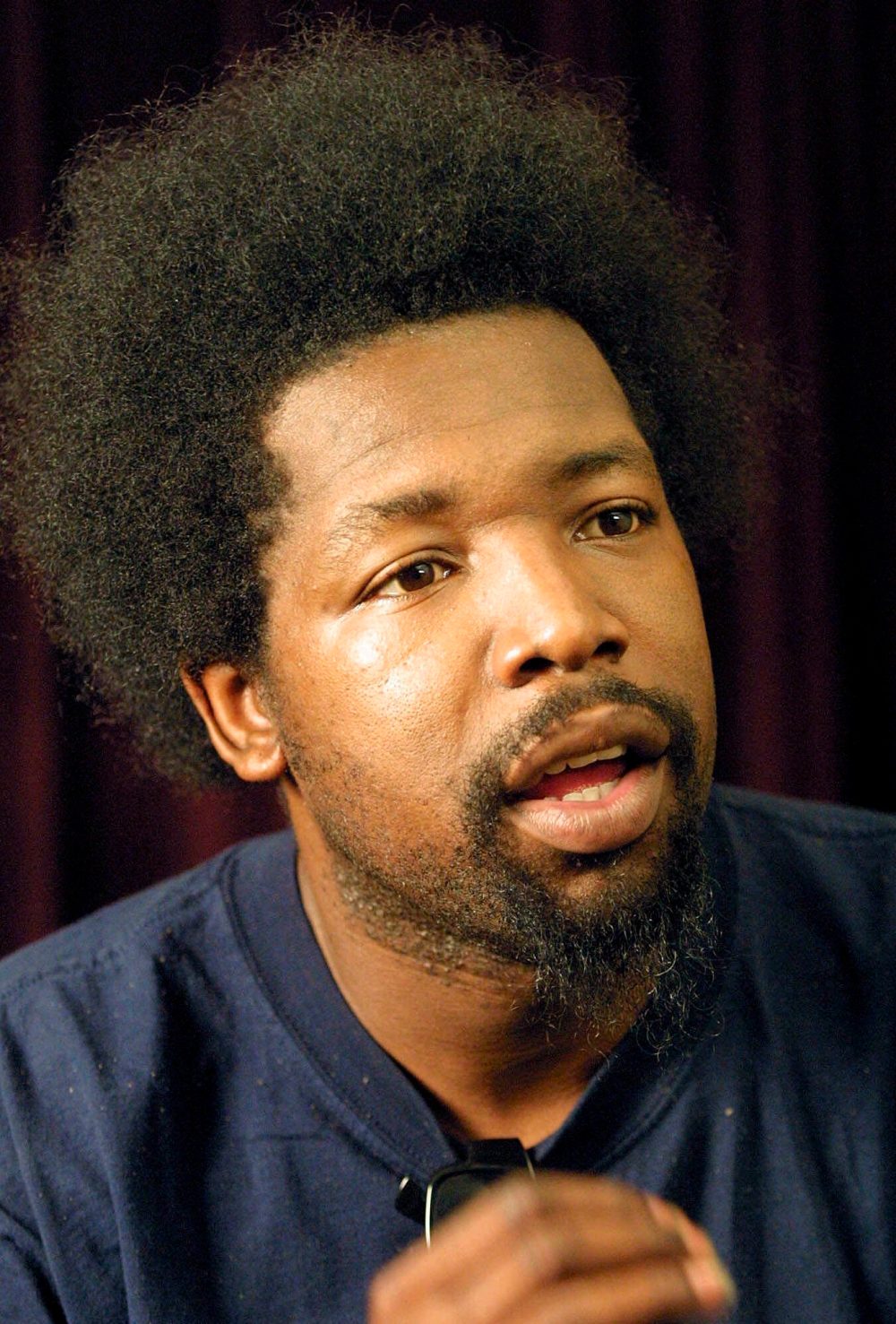

Grammy-nominated artist Afroman successfully defended himself against a defamation case brought by seven Ohio sheriff’s deputies who demanded nearly $4 million in damages over viral music videos mocking their home raid.
“We did it, America! Yeah, we did it! Freedom of speech! Right on! Right on!” the 51-year-old performer, whose real name is Joseph Foreman, celebrated outside the courthouse following Wednesday night’s ruling. He subsequently shared the moment on social media.
The legal battle examined how far artists can push parody boundaries when creating social commentary about public officials. The lawsuit centered on videos that accumulated over 3 million YouTube views.
“No reasonable person would expect a police officer not to be criticized. They’ve been called names before,” stated defense attorney David Osborne during final arguments for the performer famous for his 2000 breakthrough song “Because I Got High.”
The Adams County officers claimed the viral content led to public harassment. The footage captured armed deputies breaking down Afroman’s entrance, examining his footwear and clothing, and appearing interested in kitchen dessert, which inspired the track title “Lemon Pound Cake.”
Additional videos targeted the officers’ private lives and labeled them “crooked cops” after $400 disappeared during the search.
“Police officers shouldn’t be stealing civilians’ money,” Afroman testified during the proceedings. “This whole thing is an outrage.”
Appearing in court dressed in patriotic red, white and blue attire, he argued his case based on First Amendment protections and explained he created the response tracks to compensate for raid damages, including his damaged entrance and gate.
Authorities filed no criminal charges following the 2022 search, which court documents indicated was connected to suspected drug and kidnapping activity. During his testimony, he maintained his right to inform supporters and friends about police actions. He described how the incident affected his children, ages 10 and 12 at the time.
“The whole raid was a mistake. All of this is their fault. If they hadn’t have wrongly raided my house, there would be no lawsuit. I would not know their names,” Foreman explained. “They wouldn’t be on my home surveillance system, and there would be no songs, nothing.”
His song “Will You Help Me Repair My Door?” directly addresses law enforcement: “Did you find what you were looking for/ Would you like a slice of lemon pound cake/ You can take as much as you want to take/ There must be a big mistake.”
The accompanying video features slow-motion shots of an armed officer positioned near a cake display in Afroman’s kitchen.
He continues rapping: “The warrant said, ‘Narcotics and kidnapping’/ Are you kidding? I make my money rapping,” and “You crooked cops need to stop it/ There are no kidnapping victims in my suit pockets,” while showing officers searching his wardrobe area.
During their testimony, the deputies described feeling mocked by the songs. Deputy Lisa Phillips testified that the rapper produced a “derogatory” video questioning her gender identity and sexual orientation.
Sgt. Randy Walters shared how his child faced bullying at school because of Afroman’s content and returned home in tears.
“Where in the world is it OK to make something up for fun that’s damaging to others when you know for sure it’s an absolute lie?” he questioned.
Afroman’s legal team argued during closing statements that exaggeration is common among artists creating social commentary. Robert Klingler, representing the officers, accused Afroman of spreading falsehoods about “these seven brave deputy sheriffs” for three years.
“Even if somebody does something to you that hurts you, that you think is wrong — like a search warrant execution that you think is unfair … that doesn’t justify telling intentional lies designed to hurt people,” he contended.
The rapper resides in Winchester, located approximately 50 miles from Cincinnati.