
A new study released Wednesday shows encouraging progress in protecting the world’s tropical rainforests, with destruction rates dropping significantly in 2025 after reaching devastating record levels the year before.
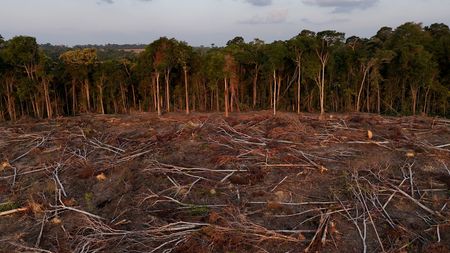
According to research from the World Resources Institute and University of Maryland, approximately 4.3 million hectares of untouched tropical forest disappeared last year – equivalent to 10.6 million acres. This represents a substantial 36% decrease compared to 2024’s record-breaking losses.
The improvement stems primarily from Brazil’s aggressive campaign to reduce deforestation, following commitments made by President Luiz Inacio Lula da Silva after taking office in 2023.
Elizabeth Goldman, who co-directs Global Forest Watch and helped compile the annual assessment, expressed cautious optimism about the findings. “It’s encouraging, when the problem feels massive, (that) there are real interventions that work out there and we can see it in the data,” Goldman stated.
However, she cautioned that current deforestation rates remain dangerously high. Nations worldwide are still destroying forests at levels 70% above what scientists say is necessary to achieve the international pledge signed by nearly all countries in 2023 to stop and reverse forest destruction by 2030.
“Achieving this goal in the coming years will not be easy,” Goldman warned.
Agricultural development remains the primary cause of forest clearing globally, with commercial farming operations in countries like Brazil, Bolivia and Indonesia leading the destruction, while subsistence farming drives losses in regions such as the Democratic Republic of Congo.
Some nations have shown sustained success in forest protection. Malaysia and Indonesia have maintained long-term policies that effectively reduced primary forest losses, particularly in areas where palm oil plantations historically threatened natural ecosystems.
Yet policy changes threaten this progress. Indonesia experienced increased deforestation last year partly due to President Prabowo Subianto’s expansion of a food estate initiative designed to achieve national food independence.
Environmental organizations worry that Brazil may face similar setbacks after the expiration of an industry agreement that prevented soybean purchases from recently cleared Amazon rainforest areas.
Beyond tropical regions, global forest losses including northern ecosystems fell 14% last year. However, climate change continues mounting pressure on forests worldwide.
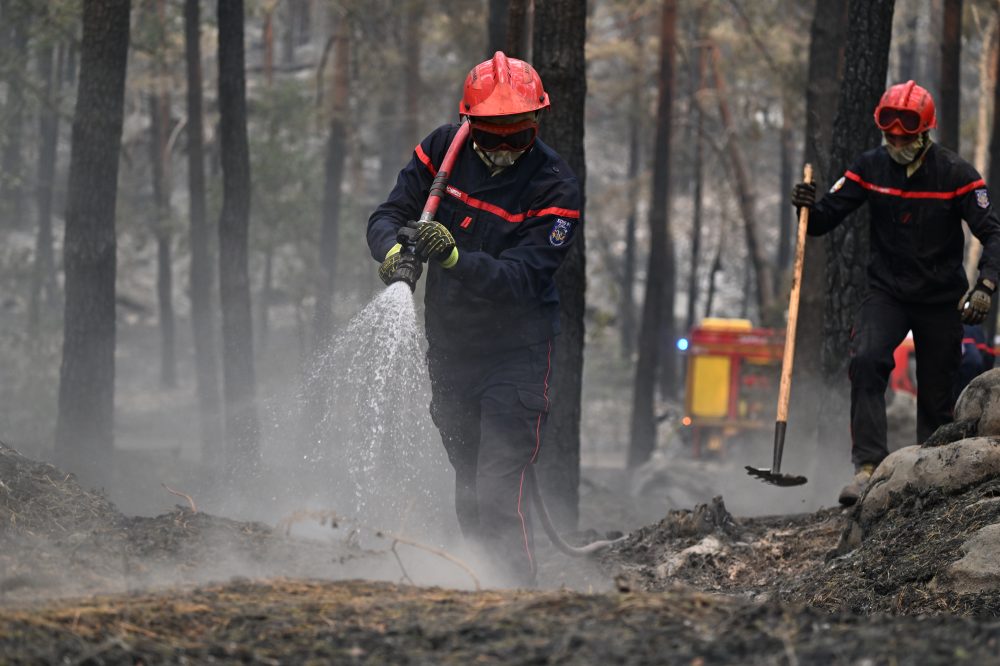
Canada experienced its second-worst wildfire season on record last year, with the past three years seeing boreal forest burns approximately five times higher than the previous two-decade average.
In tropical areas, where fires typically result from human activity, increasingly dry conditions are transforming small controlled burns into massive uncontrolled blazes.
Rod Taylor, who directs WRI’s global forest programs, noted that while forests remain crucial carbon storage systems that help combat climate change, rising temperatures are increasingly converting these ecosystems from carbon absorbers into greenhouse gas producers through fires and droughts.
“We’re on a kind of knife’s edge,” Taylor explained.