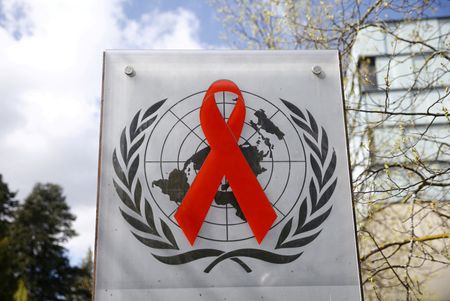

The world may be heading toward a dangerous reversal in the fight against HIV, according to a new report from the United Nations body dedicated to combating AIDS.
Global HIV funding dropped 18% to $7.3 billion in 2025 — the lowest level recorded in nearly 20 years — raising serious concerns about the future of the global AIDS response, UNAIDS said in a 60-page report released Monday at the start of an International AIDS conference in Brazil.
“The international community has entered a period of profound political and financial upheaval that threatens decades of hard-won gains against HIV,” UNAIDS stated in the report. “Without renewed commitment and action, the world risks a resurgence of the HIV epidemic.”
Prior to President Donald Trump’s return to the White House in January 2025, the United States had been responsible for 75% of international HIV funding. Shortly after taking office, Trump ordered a temporary halt to all HIV-related funding. While life-saving HIV treatment work was later restored within days, most prevention efforts remained curtailed.
The funding decline threatens to undo progress that had pushed new HIV infections and AIDS-related deaths to their lowest levels in more than 30 years. Approximately 1.2 million people contracted HIV last year, and the global goal to end AIDS by 2030 remains off track, with the report citing reduced funding and other crises such as Ebola as contributing factors.
“The current fragility of the HIV response puts these gains at risk unless global solidarity is restored and inequalities are addressed,” the report warned.
Some of the decline in foreign funding was cushioned by increases in domestic spending by individual countries, resulting in an overall total HIV resource drop of 6%. However, not every government was in a position to make up the difference.
Sub-Saharan Africa, which accounts for roughly half of all new global HIV infections, saw some of the steepest drops in prevention program spending. National data from Cameroon, Nigeria, and Zambia showed that the number of people receiving pre-exposure prophylaxis — commonly known as PrEP — fell by more than 50%.
“HIV funding disruptions severely impacted HIV prevention, testing and key components of treatment programmes, such as the range of community-led services that reach the people most affected by HIV,” the report concluded.