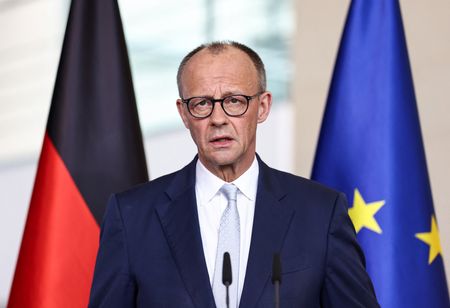

BERLIN – German Chancellor Friedrich Merz voiced concerns Thursday about potential divisions within the NATO alliance as tensions escalate over the ongoing Iran conflict, while addressing reported pressure from President Trump regarding military commitments.
During a press briefing, Merz announced that Germany is restarting diplomatic discussions with Iran, working alongside Washington and European partners to help resolve a conflict that has resulted in thousands of casualties and triggered an energy emergency affecting Germany.
The crisis has created significant tensions within NATO, an alliance already facing challenges from the Ukraine conflict and other disputes. Trump has consistently criticized the organization as a “paper tiger” and has made recent threats about potentially leaving the alliance.
According to two European diplomatic sources who spoke to Reuters Thursday, NATO Secretary General Mark Rutte has informed select member nations that Trump is seeking firm commitments in the coming days for assistance in protecting the Strait of Hormuz.
“We do not want – I do not want – NATO to split. NATO is a guarantor of our security, including and above all in Europe,” Merz stated from Berlin. He mentioned encouraging Trump during their Wednesday phone conversation to urgently pursue diplomatic talks with Iran.
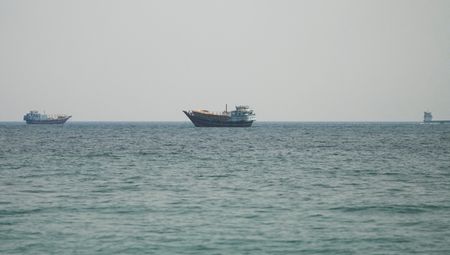
Regarding assistance with securing the Strait of Hormuz, Merz explained he informed Trump that Germany stands ready to help protect the crucial shipping corridor – whose near-complete blockade has created a worldwide energy emergency – but only after establishing a lasting ceasefire.
However, Germany would require both international authorization, preferably from the UN Security Council, and approval from the German parliament, he explained.
“The U.S. President is well aware of this, and that is why no decisions are to be expected from us within the next few days,” Merz said, noting that Trump understood Germany’s requirements.
Germany has renewed direct diplomatic contact with Iranian officials in Tehran, “after a long silence” according to Merz.
“Our aim in doing so is also to make our own contribution to the success of the upcoming negotiations.”
Merz indicated he would also speak Thursday evening with Pakistan’s prime minister, as that nation prepares to facilitate ceasefire discussions between Iran and the United States this weekend.
The German leader said his conversation with Trump did not address the possibility of American military withdrawal from Germany or any potential German limitations on U.S. military installations that have operated there since World War II ended.
Earlier this week, Trump had threatened to devastate Iran’s “whole civilisation” if it failed to reopen the Strait of Hormuz, drawing condemnation from various sources, including European allied nations.
“I am firmly convinced that it would not have come to that. It was part of his strategy in dealing with Iran, and that has now led to at least a temporary end to the hostilities and also to a temporary end to the mutual rhetoric,” Merz explained.
He also noted that Germany’s coalition government has not yet reached consensus on additional energy cost relief measures following Thursday’s discussions on the matter. He emphasized that any measures must be carefully targeted and avoid creating supply shortages.