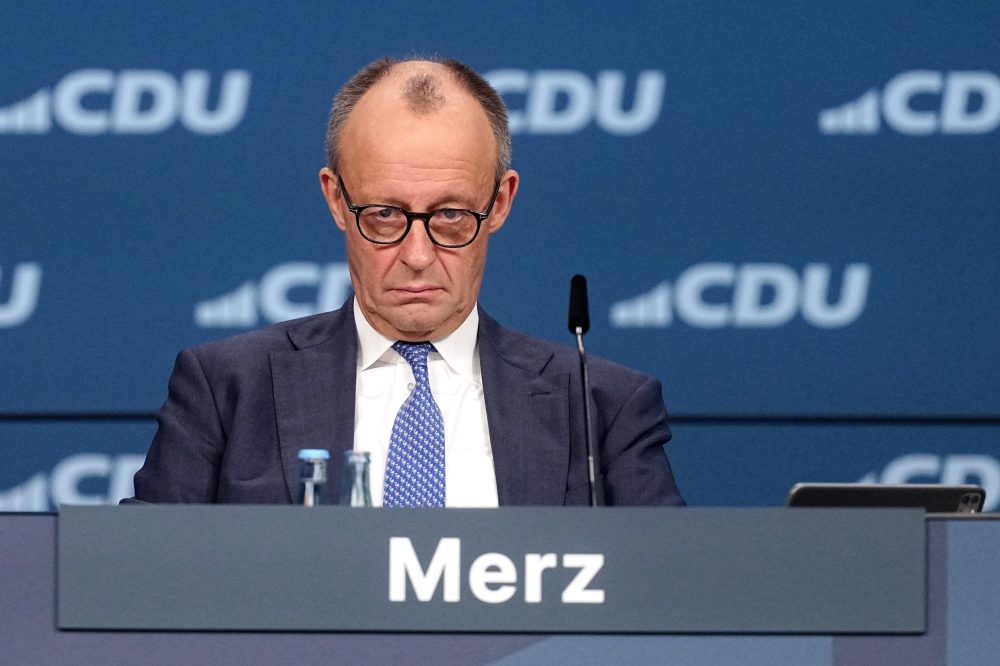

Chancellor Friedrich Merz of Germany is preparing for his inaugural diplomatic journey to China next week, marking his first official visit to the Asian nation since assuming leadership of Europe’s largest economy earlier this year.
According to government spokesperson Sebastian Hille, Merz is scheduled to meet with Chinese Premier Li Qiang and President Xi Jinping in Beijing on Wednesday. The German leader will also travel to Hangzhou in China’s southeastern region during his diplomatic mission.
Hille explained to reporters in Berlin that the central focus of the visit will revolve around “competition” and finding “the right balance of cooperation” with China. “We want cooperation where it is necessary and in our mutual interest,” the spokesperson emphasized.
For several years, Germany has worked to preserve strong diplomatic and economic relationships with China while simultaneously expressing concerns about Beijing’s increasingly aggressive international stance and its reluctance to condemn Russia’s military actions in Ukraine. The European nation has also been working to reduce its economic dependence on China by expanding trade relationships with other countries and diversifying its supply chains for essential goods.
New statistics released Friday by Germany’s Federal Statistical Office reveal that China has once again become the country’s largest individual trading partner in the previous year, with combined imports and exports reaching 251.8 billion euros (approximately $297 billion). China previously held this distinction from 2016 through 2023 before being overtaken by the United States in 2024. While commercial activity with China increased last year, trade volume with America fell to 240.5 billion euros.
Speaking at a Christian Democratic Union party gathering in Stuttgart, Merz, who assumed the chancellorship in May, stated that “we need business ties in the whole world, and that of course also includes a country like China.” He added that “China is an important trading partner for us, so I will go to China next week with a large business delegation.”
Details about the composition of the accompanying business delegation were not disclosed by either Merz or his spokesperson.
However, the chancellor cautioned against having any “illusions” regarding China, describing the nation as one that “asserts the claim to define a new multilateral order according to its own rules.”
During his Stuttgart address, Merz reinforced his belief that the traditional rules-based international system has fundamentally changed, noting that “a new world order, an order of great powers, is taking shape at high speed.” He stressed the importance of Europe strengthening both its economic capabilities and military capacity while actively pursuing additional trade agreements with diverse international partners.
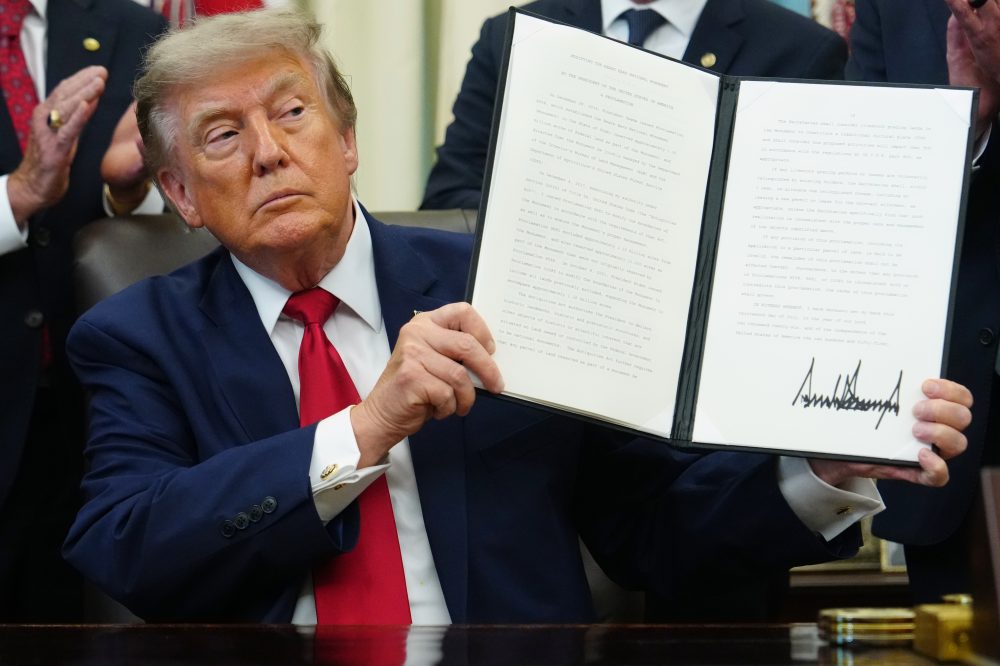
President Donald Trump is expected to make his own visit to China in April.