
Crude oil markets experienced significant drops Friday morning as investors showed optimism about potential resolution to Middle East conflicts that have severely impacted global energy supplies.
Brent crude futures dropped $1.34 per barrel, representing a 1.35% decrease to $98.05, while U.S. West Texas Intermediate crude saw an even steeper decline of $1.65 per barrel, falling 1.74% to $93.40 during early trading hours.
The market movement comes amid growing hopes for diplomatic progress, including a 10-day ceasefire agreement between Lebanon and Israel that has already begun, and potential discussions between the United States and Iran over the weekend.
President Trump addressed reporters Thursday evening outside the White House, revealing that Iran has proposed abandoning nuclear weapons development for over two decades as part of ongoing negotiations.
“We’re going to see what happens. But I think we’re very close to making a deal with Iran,” Trump stated.
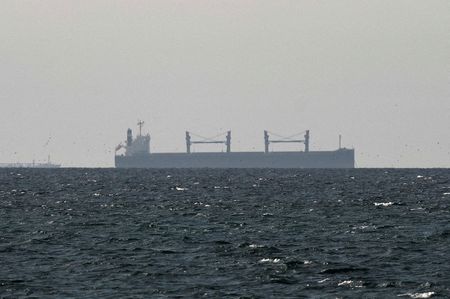
The current Iran conflict, which Trump and Israel initiated in late February, has resulted in a seven-week blockade of the Strait of Hormuz, cutting off approximately 20% of global oil supplies. Energy analysts from ING calculate that this closure has disrupted roughly 13 million barrels of daily oil flow.
Oil markets saw dramatic increases throughout March, rising 50% in what analysts called a record surge, only recently falling back below the $100 per barrel threshold while remaining in the $90 range this week.
According to Iranian sources who spoke with Reuters Thursday, both American and Iranian negotiators have adjusted their goals, now focusing on a temporary agreement to prevent renewed hostilities rather than pursuing a comprehensive peace settlement.
Israel’s military operations in Lebanon have presented a significant challenge to Trump’s efforts to broker a peace agreement and conclude the Iranian conflict.