
WASHINGTON — A new Federal Reserve study reveals that America’s poorest families bore the brunt of March’s gas price surge, dramatically cutting their fuel usage while still facing higher costs at the pump, according to research published Wednesday.
The New York Federal Reserve Bank report shows wealthy families took a completely different approach, maintaining nearly the same driving patterns while significantly increasing their gasoline expenditures. Families with moderate incomes landed somewhere between these two extremes.
These economic divisions proved more pronounced than during 2022’s fuel price crisis following Russia’s Ukraine invasion, researchers discovered. Four years ago, affluent households reduced their gas usage more substantially than they did this past March, while lower-earning families received greater assistance from federal stimulus initiatives in 2022.
The data highlights what economists describe as a “K-shaped economy” — a pattern where wealthy Americans continue thriving while working-class families struggle financially. This economic split helps explain why many Americans remain pessimistic about the economy despite strong employment numbers and steady growth.
“We find that households had very different experiences with gasoline spending,” the New York Fed researchers stated. “With the sharp increases in gasoline prices in March, a K-shaped pattern in gasoline consumption emerged—showing faster consumption growth for high income households relative to low-income households.”
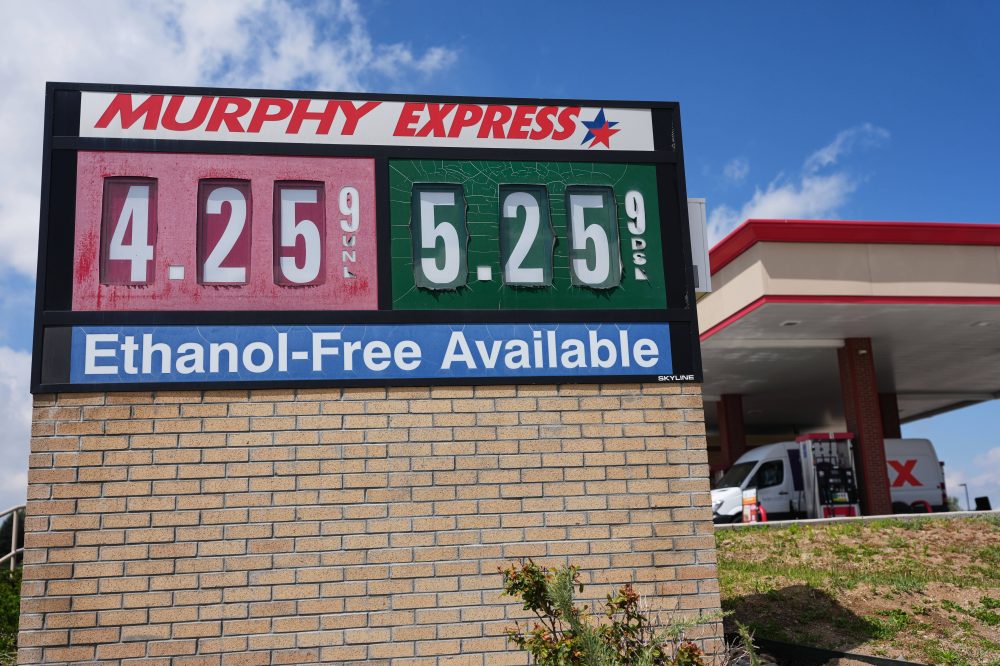
Following the Iran conflict that started February 28, fuel costs jumped approximately 25 percent in March based on federal consumer pricing information. National gasoline usage dropped 3 percent overall during this period, the Federal Reserve reported.
Families earning under $40,000 annually slashed their fuel consumption by 7 percent but still faced 12 percent higher gas expenses in March, the study found. Wealthy households making $125,000 or more yearly boosted their gasoline spending by 19 percent in March while decreasing actual fuel usage by only 1 percent. The research did not provide specific data for middle-income earners.