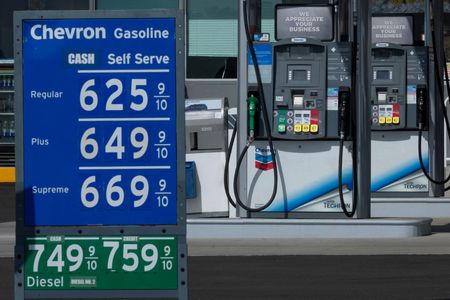

Drivers celebrating the 100th anniversary of the iconic Route 66 are facing sticker shock at California gas stations, where fuel prices have soared to $6 per gallon – the steepest cost in two years and an emerging political hot topic with elections approaching.
The ongoing Iran conflict has created unprecedented disruptions to worldwide oil distribution, pushing gasoline costs higher globally and creating specific challenges for California, America’s most populated state with the largest number of vehicles.
California faces some of the nation’s steepest fuel costs due to strict environmental regulations, elevated taxes, and dependence on foreign oil imports.
With California’s gubernatorial primary just one month out, political candidates clashed during this week’s debate over proposals to eliminate the state’s 61-cent per gallon fuel tax, which ranks as the country’s highest.
Nationally, elevated gas prices appear destined to become a significant campaign issue before November’s congressional midterm elections, as President Donald Trump’s Republican party fights to maintain power.
According to an April Reuters/Ipsos survey, three-quarters of Americans held the Trump administration accountable for recent gas price increases, while most respondents predicted fuel costs would continue rising over the next twelve months.
GasBuddy statistics revealed California’s average gas price reached $6.01 per gallon Thursday, topping all states and marking the highest amount state drivers have paid since October 2023. Meanwhile, the national average rose to $4.34 per gallon, the peak since July 2022.
The fuel cost spike has strained American consumers, contributing to March’s largest annual inflation increase in nearly three years.
Experts anticipate worsening conditions as the Iran situation – which has shut down the Strait of Hormuz and blocked nearly 20% of global oil movement – continues into America’s busy summer travel period, typically running from Memorial Day through Labor Day.
California depends significantly on Asian imports to satisfy domestic fuel needs, making it among the most vulnerable U.S. states to supply shortages caused by the Iran war. Asian refineries have reduced output and limited exports while searching for crude oil alternatives to Middle Eastern supplies, leaving less available for California shipments.
Supply shortages have prompted international buyers to purchase crude and fuel from the U.S. Gulf Coast, driving benchmark oil prices upward along with nationwide fuel costs.
March saw U.S. gasoline exports climb to 834,000 barrels daily, the highest since November, with at least two shipments heading to Asia, according to Kpler data.
California’s fuel reserves reached record lows in April. Gas imports to California plummeted after peaking at a record 195,000 barrels per day during the week beginning April 13, dropping to under 75,000 barrels per day last week, Kpler data indicated.
“California is arguably the state most impacted by the Strait of Hormuz in the United States, which has been largely insulated from the events,” stated Denton Cinquegrana, chief oil analyst at Dow Jones Energy.
Rising fuel costs are generating political disputes in California and across the nation.
California’s sitting Governor Gavin Newsom, among Trump’s harshest critics, has attributed his state’s soaring gas prices to the Iran war.
“Every American who fills up their tank this week, buys groceries, or books a flight is paying Donald Trump’s Iran war tax,” Newsom declared in Thursday’s press release.
Newsom has received criticism from Trump after energy policies he supported led to California refinery closures, increasing the state’s import dependency.
Last year, the California Energy Commission attempted to reassure drivers that Asian import capabilities would prevent potential price surges following the shutdown of two refineries that supplied roughly 20% of state motor fuel needs. However, this has proven to be a weakness rather than an advantage during the current energy crisis.
Miguel Angel Cruz, a landscaping business owner, explained that filling his truck previously cost $50 but now requires $80. While speaking, the gas station pump display in Carlsbad shot past $80 to reach $85.75 for slightly over 13 gallons.
“I cannot drive any less,” Cruz stated, referencing his business requirements. “Every time we get a new president in the White House, they say this year is gonna be better. But nothing’s changed. It’s the same story, except now it’s worse because of the war in Iran.”
The federal Route 66 Centennial Commission and individual drivers have organized multiple events celebrating the 100th anniversary of the 2,400-mile Route 66 – commonly known as “The Mother Road” – which spans eight states connecting Chicago to Los Angeles.
An AAA survey found that approximately 41% of Americans planned to visit Route 66 sections during the 2026 centennial celebration. The famous highway remains a popular summer vacation destination for road trip enthusiasts.
“I don’t believe gas in California should cost this much at all … I cannot afford this gas,” said Amanda Martinez, a video editor who recently relocated to California from Texas. She mentioned that further price increases would force her to reduce driving.
Martinez plans to request more remote work options or a gas allowance from her employer and is considering purchasing an electric vehicle since her office sits about 20 miles from home.