
Leaders from the world’s seven most powerful economies have convened Monday at the French lakeside resort of Evian-les-Bains for a high-stakes summit covering everything from the wars in Ukraine and Iran to the rapid growth of artificial intelligence and threats to global financial stability.
WHAT EXACTLY IS THE G7?
The G7 — short for Group of Seven — is an informal alliance of wealthy nations with no permanent headquarters or legal standing. Its members include the United States, Britain, Canada, France, Germany, Italy, and Japan. The European Union participates in every summit but is not counted among the core seven, since it is a 27-nation bloc rather than a single country, and therefore does not hold the rotating presidency.
Russia was brought into what was then called the G8 back in 1997, but was removed in 2014 following its annexation of Crimea from Ukraine. France took over the group’s rotating presidency from Canada in 2026.
HOW DID THE G7 GET STARTED?
The group was established in the wake of the 1973 OPEC oil embargo, originally serving as a forum where the richest nations could coordinate responses to global economic crises. Together, its member countries represent a combined annual economic output of more than $50 trillion — roughly half of the entire world economy. In the 1980s, the group expanded its focus to include political matters as well.
In recent years, it has become common practice to extend invitations to other world leaders. This year’s summit includes the leaders of India, South Korea, Kenya, and Brazil, among others.
WHAT’S BEING DISCUSSED?
Ukraine
Demonstrating a unified front in support of Ukraine remains a top priority, as Russia’s war against the country enters its fifth year. Ukrainian President Volodymyr Zelenskiy has called for direct face-to-face talks with Russian President Vladimir Putin in hopes of ending the conflict. He has also pushed for European nations to take a more central role in the peace process, expressing concern that the United States is increasingly focused on the situation in Iran.
The G7’s European members are working to convince U.S. President Donald Trump that Ukraine’s military position has improved, that Europe is now carrying the bulk of the financial, military, and political support for Ukraine, and that the group should agree on a strategy for meaningful negotiations with Putin. Zelenskiy is expected to be present at Evian-les-Bains for the Ukraine discussions.
Iran
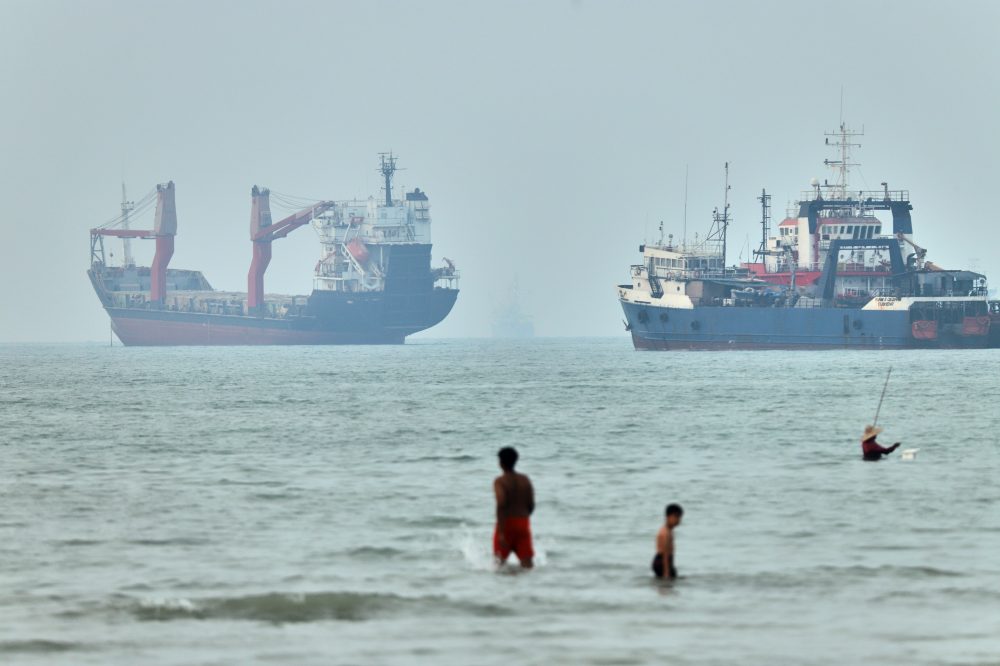
The summit is taking place just after the U.S. and Iran announced they had reached a framework agreement to end their conflict. While the deal is not set to be formally signed until Friday, G7 leaders are eager to learn the specifics — particularly how soon the critical Strait of Hormuz will reopen to international shipping. Trump has said the waterway will reopen Friday and that he has ordered an end to the U.S. blockade of Iranian ports.
In the lead-up to the summit, France had been pushing for a coordinated position among G7 members and Middle Eastern partners regarding what demands could be placed on Iran concerning its nuclear and ballistic missile programs. The leaders of Egypt, Qatar, and the United Arab Emirates will join that conversation.
Global Economic Imbalances
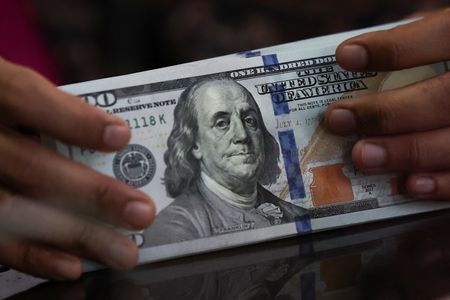
France has framed the core economic problem this way: China produces too much, the United States consumes too much, and European nations invest too little. Alarm is growing in Western countries over China’s record trade surplus and its push into higher-value industries. Beijing has defended its economic policies and rejected claims that Chinese exporters receive unfair government subsidies.
France’s leader has been pushing for a cooperative approach before the European Union decides whether to take a harder line on trade with China. Since China is not at the table, no major breakthroughs are expected — though France says even getting the group to acknowledge that a problem exists would be considered a victory.
Artificial Intelligence
France has brought in roughly a dozen top technology executives — including OpenAI’s Sam Altman and Anthropic CEO Dario Amodei — to engage in discussions about the latest AI developments and the opportunities and dangers they present. Protecting children online and building out digital infrastructure are also on the agenda, though taxing major tech companies is not.
Debt in Developing Nations
G7 leaders are expected to reaffirm their commitment to addressing the crushing debt loads carried by many developing and emerging-market countries, though it remains unclear what specific steps, if any, will follow from that pledge.