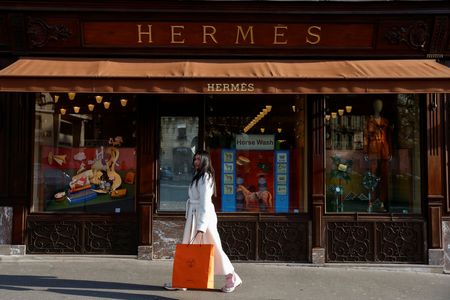

Stock prices for French luxury company Hermes plummeted 14% Wednesday morning following the company’s announcement that Middle East conflicts have significantly damaged regional sales and reduced tourist shopping in major European cities.
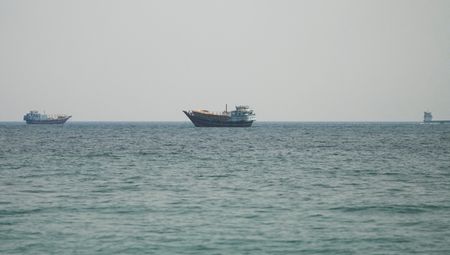
The ongoing war involving Iran has crushed investor expectations for luxury market recovery this year, with the conflict reducing shopping activity in Dubai malls and driving up energy costs that have weakened consumer spending power.
Despite Hermes’ reputation for maintaining steady performance through its exclusive production strategy during industry downturns, the company could not escape the war’s economic effects. Share prices fell to their lowest point in over three years, with total losses reaching 28% since the start of January.
Other luxury brands LVMH and Kering also announced earlier this week that the conflict had negatively affected their sales figures.
Revenue from Hermes’ signature products, including their famous Birkin and Kelly handbags, silk accessories, and fragrances, increased 5.6% when adjusted for currency fluctuations. However, this growth fell short of the 7.1% increase predicted by Visible Alpha analysts.
Middle East regional sales dropped 6% in currency-adjusted figures to 160 million euros, down from 185 million euros during the same period last year.
“We had very good growth, double-digit growth in January and February and then the month of March was an abrupt halt,” explained Hermes finance chief Eric du Halgouet, noting that luxury shopping centers in Dubai and other Gulf locations experienced a 40% sales decline in March.
While the Middle East represents only 4.4% of total sales, it had been Hermes’ fastest-expanding market during the previous year.
Currency exchange rates have created additional challenges for luxury companies. The strong euro reduced Hermes’ quarterly revenue by 290 million euros ($342 million), resulting in overall reported sales falling 1% to 4.07 billion euros from 4.13 billion euros in the previous year.
The luxury brand, which serves ultra-wealthy customers with handbags priced above $10,000, reported that decreased tourist activity affected airport retail locations and Middle Eastern stores, as well as sales in Britain, Italy, and Switzerland, where Gulf region shoppers typically drive significant business.
French sales declined 2.8% due to reduced tourism numbers. In Asia, Hermes’ largest sales region, revenue grew only 3.5% in currency-adjusted terms as air travel disruptions impacted locations including Singapore and Thailand, according to du Halgouet.
The United States provided positive results, with currency-adjusted sales increasing 17.2%.