
The selection process for the United Nations’ next leader is underway, as four candidates compete to succeed current Secretary-General Antonio Guterres in the role beginning January 1, 2027.
Leading the field appears to be Rafael Grossi, the 65-year-old Argentine diplomat who has headed the International Atomic Energy Agency for six years. Known for his energetic diplomatic style, Grossi has navigated complex international crises, including efforts to preserve elements of the Iran nuclear agreement after the U.S. withdrawal in 2018 under President Trump. His most notable achievement involved establishing an IAEA presence at Ukraine’s Zaporizhzhia nuclear facility despite the ongoing conflict with Russia.
The father of eight speaks multiple languages and has maintained relationships with all five permanent Security Council members – crucial support for securing the top position. “These experiences have confirmed a conviction I hold deeply: even in times of division, multilateral institutions can deliver real, positive impact,” Grossi stated in his campaign vision.
Rebeca Grynspan, 70, would make history as the first female Secretary-General if selected. The former Costa Rican vice president currently leads the U.N. Conference on Trade and Development and has temporarily stepped away from those responsibilities to avoid campaign conflicts. Born to European refugees after World War II, she connects her perspective directly to the U.N.’s founding principles.
“I am not waiting for special treatment. I want equal treatment,” Grynspan told Reuters. The economist positions herself as a reform-focused leader who would modernize the organization while preserving its core mission.
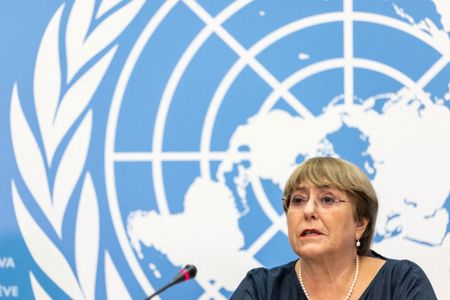
Michelle Bachelet faces significant obstacles despite her extensive resume as Chile’s two-time president and former U.N. Human Rights Commissioner. The 74-year-old lost Chilean government support following a political shift but continues her campaign with backing from Brazil and Mexico. U.S. officials have expressed concerns about her candidacy, with Representative Mike Waltz citing criticism from Senator Pete Ricketts regarding her human rights record and positions on reproductive rights.
Completing the field is Macky Sall, Senegal’s former president who served 12 years before stepping down in 2024. The 64-year-old geologist, whose father sold peanuts, emphasizes his executive experience and advocacy for African development. He supports Security Council reforms to include developing nations and focuses on debt relief for struggling countries.
“More than ever, a reinvented multilateralism remains the best way to respond to the challenges of a world in full transformation,” Sall posted on social media. However, his campaign faces mixed support across Africa, with his home country and Nigeria declining to endorse his bid.
If successful, Sall would become only the third African to hold the position, following Egypt’s Boutros Boutros-Ghali and Ghana’s Kofi Annan. The selection process will ultimately depend on consensus among the Security Council’s permanent members.