
ROME — The Vatican moved Wednesday to set the record straight about an ongoing church trial involving a well-known former Jesuit priest accused of spiritually and sexually abusing women, defending the confidential nature of the proceedings as essential to ensuring a fair process.
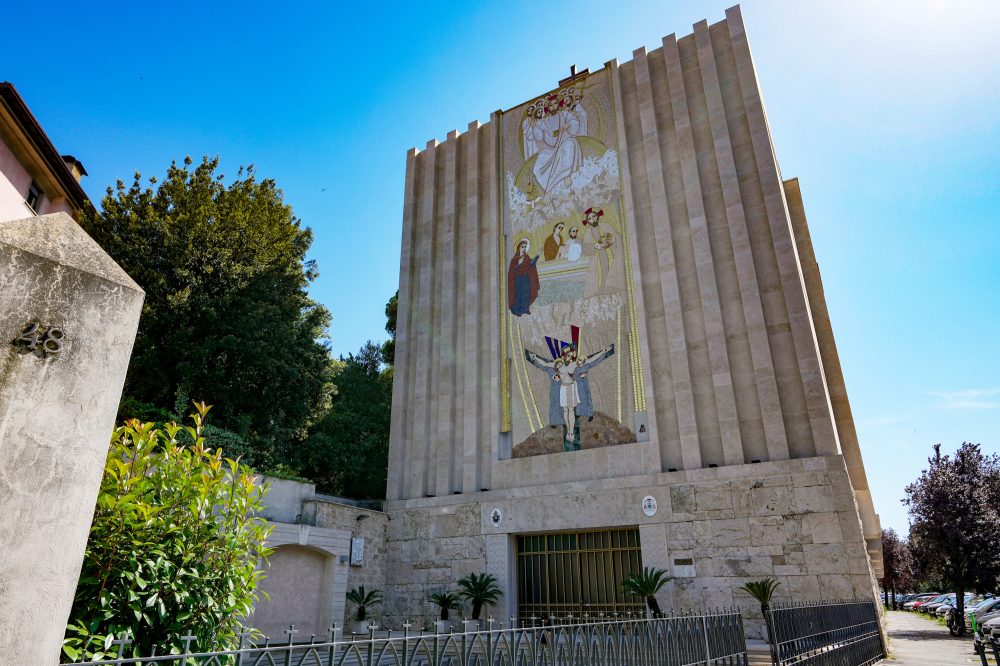
An Italian blog reported earlier this week that judges had reached a not-guilty verdict in the case against the Rev. Marko Ivan Rupnik, a Slovenian artist whose mosaic works appear in chapels and churches across the Vatican and around the globe.
The Vatican press office issued a statement calling that report “totally unfounded,” explaining that judges are still actively reviewing documents submitted by the dioceses involved, the Jesuit order, all parties to the case, and materials gathered from press coverage.
The scandal surrounding Rupnik first burst into public view in late 2022, when Italian blogs published accounts from women and nuns alleging that Rupnik had subjected them to sexual, spiritual, and psychological abuse going back to the 1990s — claims the Catholic hierarchy had long dismissed.
For years, the Vatican has treated sexual relations between a priest and a consenting adult as sinful but not a criminal matter under church law, unless the adult in question “habitually lacks the use of reason.”
In the context of the broader #MeToo movement’s examination of adult abuse within the church, the Rupnik case has grown into one of the most delicate issues facing the Holy See. There have been persistent suggestions that Rupnik was shielded for more than three decades by his Jesuit superiors and the Vatican hierarchy — including Jesuit Pope Francis himself.
The Jesuits acknowledged that Rupnik had been briefly excommunicated in 2020 after he committed one of the gravest offenses under Catholic Church law: using the sacrament of confession to absolve a woman with whom he had been sexually involved.
Despite that, the Vatican initially declined to pursue additional accusations from other women, citing the age of the allegations and the fact that the alleged victims were adults — not minors — at the time.
In 2023, the Jesuits removed Rupnik from their order entirely. Under growing pressure over questions about whether he had shielded the priest, Pope Francis waived the statute of limitations on the older allegations, clearing the way for a formal canonical trial to proceed.
Rupnik continues to hold his status as a priest, and his supporters maintain he did nothing wrong. Maria Campatelli, who leads the Rome-based Aletti Center that Rupnik founded, has characterized the accusations against him as “defamatory and unproven” and likened the media coverage to a public “lynching.”
The Italian blog’s report prompted sharp criticism from the attorney representing five women who have accused Rupnik. Attorney Laura Sgro wrote a pointed letter Tuesday to the head of the Vatican’s doctrine office — the body that appointed the outside judges handling the case — complaining that two years’ worth of emails and requests for basic updates had gone completely unanswered.
Sgro said her clients had been left deeply “discouraged and saddened” by the report of an acquittal, especially since none of them had ever been interviewed by the tribunal regarding their allegations.
In its Wednesday statement, the Vatican press office maintained that sharing any details about the trial would undermine the process itself and could cause harm to everyone involved.
“Should the panel determine that it requires further information, it will take the necessary steps on its own initiative to obtain it,” the statement read — a comment that left open the possibility that the accusers could still be called to speak.
The Vatican also responded to Sgro’s frustration over the lack of communication, noting that a canonical trial operates solely within the framework of church law and is not designed to function like a civil or criminal court proceeding.
Under the church’s canonical system, abuse victims are treated as third-party witnesses rather than as parties to the case. They are excluded from all proceedings, have no access to case files, and are not entitled to know whether a canonical investigation has even been opened — let alone how it is progressing.
A reform enacted by Pope Francis in 2019 did grant victims the right to learn the final outcome of their case, but that is the extent of the information they are permitted to receive.
Accused priests also face significant limitations in canonical abuse proceedings and have frequently raised concerns about secrecy and the absence of basic rights typically guaranteed in civil or criminal courts.
The restricted role of victims in particular has drawn repeated condemnation from international review bodies and abuse inquiries, which have found that the church’s secretive judicial procedures can inflict additional trauma on survivors rather than offering them any sense of justice or closure.
At its core, canon law was never designed with the needs of abuse survivors in mind. The stated purpose of the church’s legal system is focused on the institution itself — restoring order, reforming the offender, and addressing scandal — rather than on healing those who were harmed.