
ALEXANDRIA, Virginia — James Comey, who previously served as FBI Director, made his way to a federal courthouse in Virginia Wednesday, one day following criminal charges filed against him for what authorities describe as threatening President Donald Trump through social media.
The former law enforcement chief surrendered on two criminal counts: threatening a president’s life and sending threatening communications across state boundaries. During his brief courtroom appearance, Comey remained silent while his legal representative, Patrick Fitzgerald, indicated plans to challenge what he termed vindictive prosecution designed to retaliate against his client’s constitutional rights.
Federal Magistrate Judge William Fitzpatrick from Virginia’s Eastern District allowed Comey’s release without imposing restrictions. The case will move to North Carolina, where a federal grand jury issued the charges Tuesday. Family members of Comey arrived at the courthouse before proceedings commenced.
Comey maintains his innocence and plans to contest the allegations through legal channels.
These charges represent continued legal pressure from Trump’s Justice Department against Comey, who faced unsuccessful prosecution previously in an unrelated matter. This development reflects an intensified effort to pursue criminal cases against individuals viewed as Trump’s political opponents. Trump specifically named Comey in social media posts last year demanding criminal prosecution of his rivals.
During Wednesday’s hearing, Comey remained attentive as Judge Fitzpatrick announced the charges, which could result in up to five years imprisonment.
CONTROVERSIAL SOCIAL MEDIA POST
The criminal allegations center on Comey’s Instagram post from last May displaying seashells positioned on sand to create “86 47.”
Restaurant industry slang uses “86” to mean removing or ejecting someone, while “47” potentially references Trump as America’s 47th president.
Federal prosecutors contend any reasonable person receiving this message would understand it as threatening Trump.
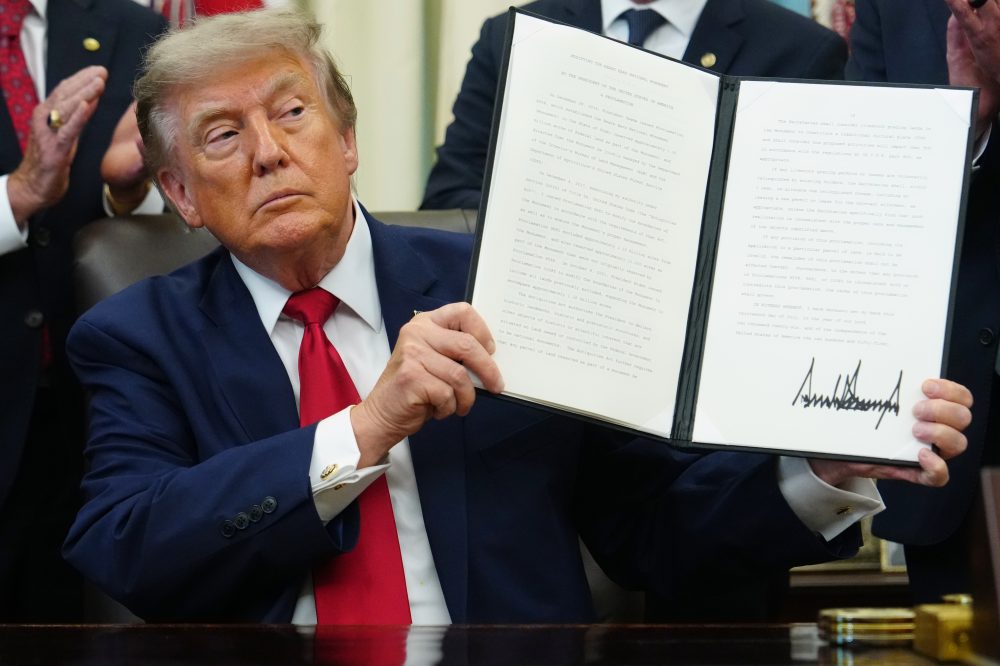
Speaking to media Wednesday, Trump characterized “86” as a “mob term.”
“People think of it as something having to do with disappearing, but the mob uses that term to say when they want to kill somebody,” Trump told reporters at the White House.
When questioned about whether the post endangered his safety, Trump replied, “Probably. I don’t know.”
Comey removed the post quickly after publication, explaining he intended it as political commentary and didn’t realize the numbers could suggest violence.
This marks Comey’s second criminal case under Trump’s current administration, following a dismissed congressional perjury case.
ONGOING POLITICAL CONFLICT
Trump has consistently criticized Comey regarding his supervision of FBI investigations into alleged connections between Trump’s 2016 campaign and Russian representatives.
Acting Attorney General Todd Blanche has rapidly implemented Trump’s demands for criminal prosecutions. His predecessor, Pam Bondi, lost her position partly for insufficient progress on these cases.
Since Blanche assumed leadership this month, the Justice Department has filed charges against the Southern Poverty Law Center, restored firing squad and electrocution for federal executions, published criticism of previous anti-abortion activist prosecutions, and indicted an assistant to Dr. Anthony Fauci, former National Institute of Allergy and Infectious Diseases director, for allegedly hiding COVID-19 research documents.
CONSTITUTIONAL CONCERNS
Legal experts have broadly criticized Comey’s prosecution, arguing it violates First Amendment free speech protections. Supreme Court precedent establishes strict requirements for threat prosecutions, demanding proof defendants knew or should have understood their communications would be perceived as death or injury threats.
“It is shocking that this indictment was even brought, and there really is no explanation for it other than it is part of a retaliatory campaign against Comey,” said Thomas Berry, a constitutional lawyer at the libertarian Cato Institute. “There is no chance he will ever be convicted.”
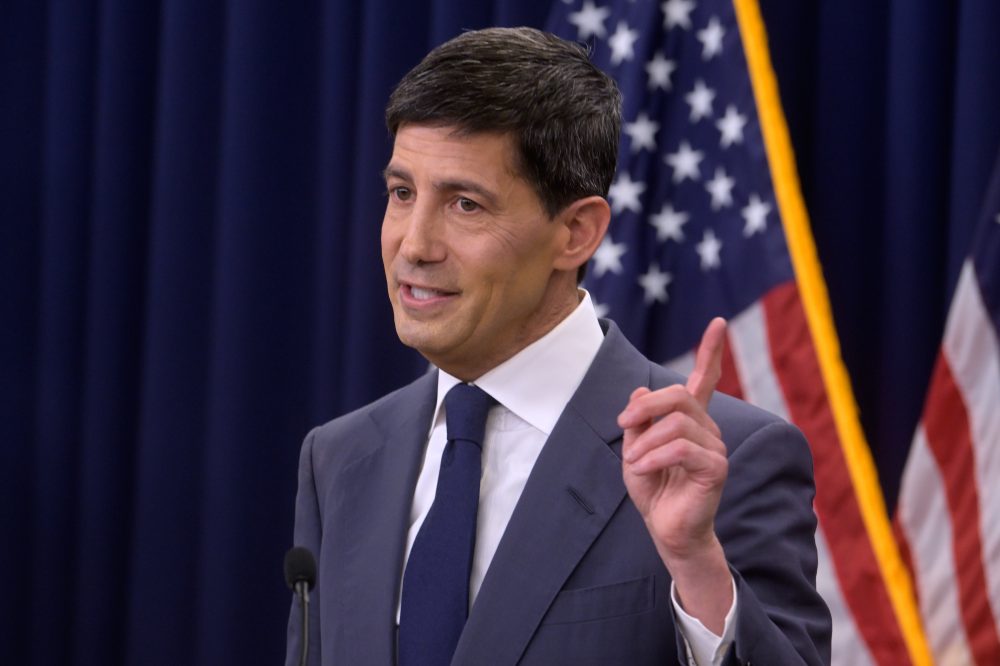
Blanche refused Tuesday to reveal prosecutorial evidence against Comey but indicated the government would demonstrate intent through documents, witness statements, and Comey’s behavior.
Legal scholars highlighted Comey’s own disclaimers about the post following controversy and the unclear meaning of “86” in this situation. First Amendment protections extend to political expression using violent or threatening language.
“The bar is high because under the First Amendment, we don’t criminalize speech. Words are not crimes, except under a very limited number of circumstances,” said Jared Carter, a professor with the Cornell Law School First Amendment Clinic.