
HAVANA (AP) — The most recent public sighting of former Cuban President Raúl Castro occurred during a government-sponsored International Workers’ Day demonstration along Havana’s renowned waterfront, where he was surrounded by thousands of attendees.
The 94-year-old remained steady and composed beneath the intensifying sun on May 1, while others in his vicinity succumbed to the heat before the ceremony commenced. His security team, headed by his grandson Raúl Guillermo Rodríguez Castro, positioned themselves behind him.
Such public appearances have become uncommon for the final Castro brother from Cuba’s revolutionary period. Though he reportedly continues to hold considerable sway over governmental affairs, he keeps a minimal public presence despite his position as general of Cuba’s armed forces.
Castro returned to public attention Wednesday when federal prosecutors announced criminal charges against him related to directing the 1996 destruction of civilian aircraft operated by Miami-based Cuban exiles. The accusations encompass murder and aircraft destruction charges. Castro held the defense minister position during that time.
The criminal charges and subsequent statements Thursday from U.S. President Donald Trump and Secretary of State Marco Rubio sparked concerns about potential American military action against Cuba, similar to recent events in Venezuela during early January.
“We expect that he will show up here, by his own will or by another way,” acting U.S. Attorney General Todd Blanche said in announcing the charges against the former Cuban president during a press conference in Miami.
Cuba’s socialist government condemned the indictment and prepared to hold a rally Friday to honor Castro, who turns 95 on Jan. 3. Protests were planned Friday morning in front of the U.S. Embassy in Havana.
“The Cuban people reaffirm that neither threats, nor blockade, nor energy embargo, nor false accusations will be able to break the will of an entire people in defense of their Revolution,” read a statement published by state media.
It is not known if Castro will attend Friday’s event.
During July 1953, Castro faced arrest in Cuba on charges of armed insurrection after an unsuccessful attack on military installations. Though sentenced to 13 years imprisonment, he gained freedom after two years through political amnesty. Subsequently, he departed for Mexico to help coordinate revolutionary activities.
Castro wed guerrilla combatant Vilma Espín during the 1960s, and they became parents to four children. Details about Castro’s personal life remain limited: He maintains a reputation as devoted to family and officially lives in an area west of Havana.
Throughout his tenure as defense minister under his deceased brother Fidel Castro, and subsequently as president, his daily operations were notably private: avoiding scheduled appointments, formal events, or public and family celebrations.
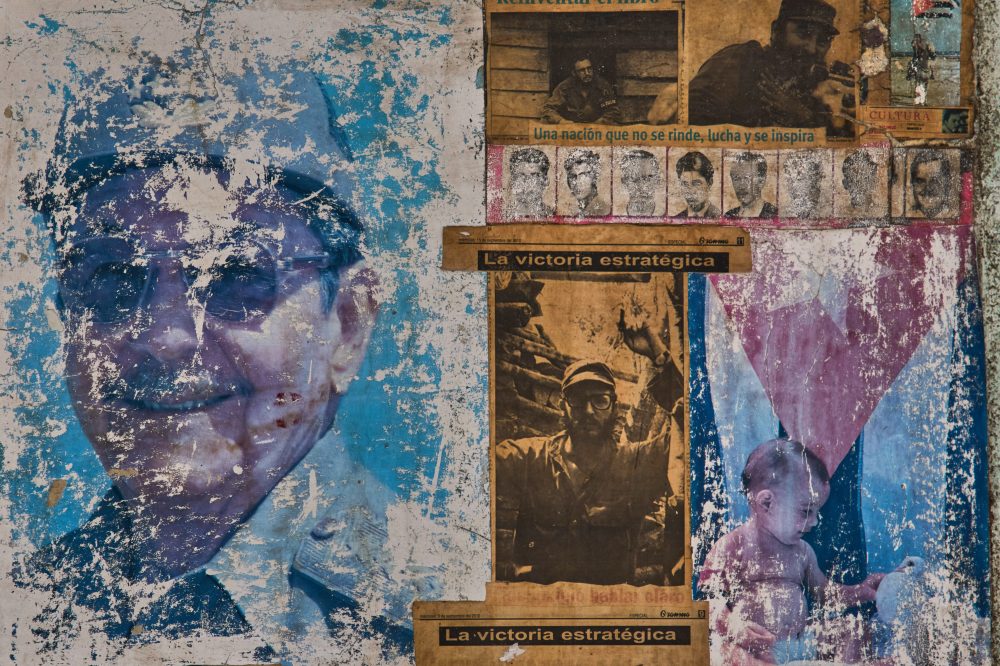
Following his departure from office and transition of power to President Miguel Díaz-Canel, Raúl Castro has made few public appearances. He continues wearing his characteristic olive-green military attire when receiving foreign officials.
“He still has influence, and the leadership seeks his opinion on major decisions, but he is not running the government on a day-to-day basis,” said William LeoGrande, a political scientist at American University in Washington.
“If the U.S. were to abduct him, it would not change the operations of government, unlike what happened in Venezuela,” LeoGrande said.
The charges against Raúl Castro have intensified diplomatic friction between the U.S. and Cuba, which recently declared its petroleum supplies exhausted due to continuing American energy restrictions.
The nation’s difficulties have escalated following the Jan. 3 U.S. invasion of Venezuela, which stopped essential oil deliveries from that South American nation. Later in January, Trump issued threats of tariffs against any nation selling or supplying oil to Cuba.
Senior Trump administration officials — including Rubio, CIA chief John Ratcliffe and other prominent national security personnel — have conducted meetings with Cuban representatives in recent months to discuss relationship improvements. However, American officials have expressed dissatisfaction with these discussions, resulting in additional sanctions against Cuba’s government over the past week.