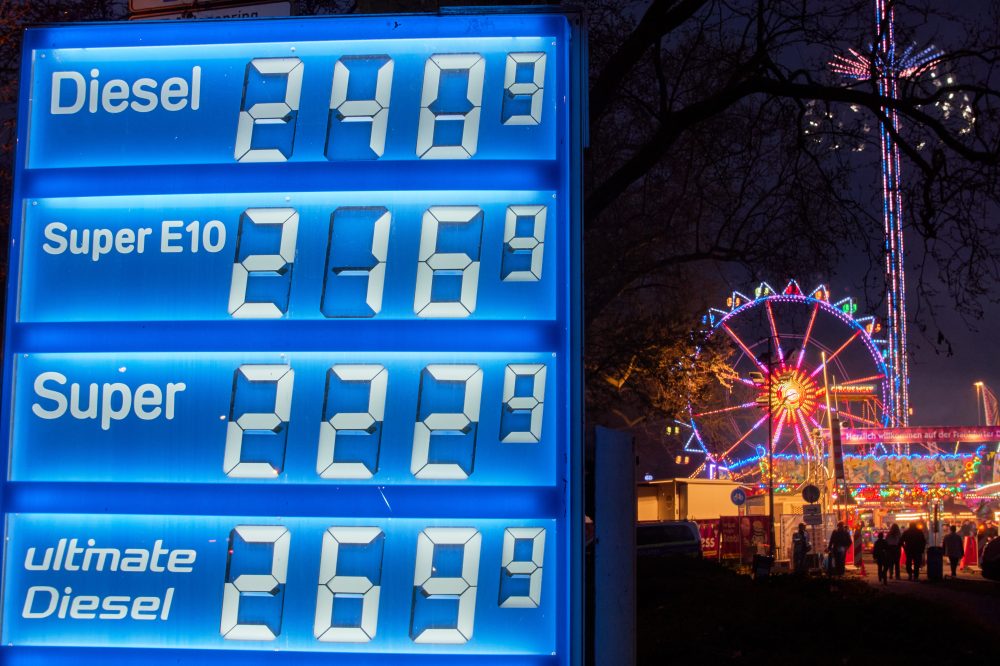

Finance officials from five European nations are pushing the European Union to implement continent-wide profit restrictions on energy corporations as Middle Eastern conflicts send fuel costs soaring and threaten to burden ordinary citizens with higher expenses.
Spain’s Economy Minister Carlos Cuerpo announced Saturday that officials from Germany, Italy, Portugal and Austria had joined him in sending correspondence to the European Commission highlighting “market distortions” resulting from the recent price increases.
“The conflict in the Middle East has caused oil prices to rise, placing a significant burden on the European economy and on European citizens,” stated the correspondence, which was dated Friday and shared publicly by Cuerpo through social media.
“It is important to ensure that this burden is distributed fairly,” the letter continued.
European nations rely heavily on energy imports from other regions, making them susceptible to global disruptions. During 2022, energy market chaos following Russia’s comprehensive attack on Ukraine sent inflation rates above 10% across numerous European nations.
During that period, EU leadership established a “solidarity contribution” that featured restrictions on excessive energy sector earnings.
“Given the current market distortions and fiscal constraints, the European Commission should swiftly develop a similar EU-wide contribution instrument,” the correspondence stated. “It would also send a clear message that those who profit from the consequences of the war must do their part to ease the burden on the general public.”
Primarily due to elevated oil costs, yearly inflation across the 21 nations using the euro currency climbed to 2.5% in March, up from 1.9% the previous month.
Iran has restricted most oil tanker movement through the Strait of Hormuz — a critical passage for approximately 20% of worldwide oil and gas shipments — creating potential stress on fuel markets for an extended period.
European Union Energy Commissioner Dan Jorgensen cautioned earlier this week that the disruption from the blockade means fuel costs will likely not “go back to normal in a foreseeable future.”