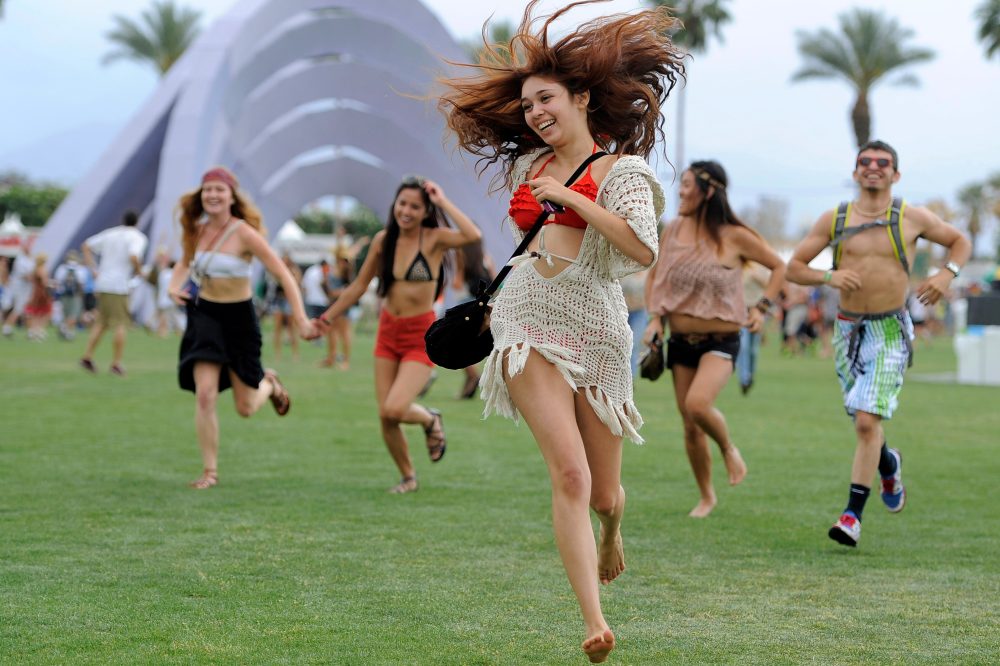

The outdoor music festival season is officially underway, bringing opportunities to enjoy live performances with friends, dance to favorite songs, and potentially meet beloved artists in person.
“Live music nourishes your soul and makes you feel truly alive,” explains Chris Bro, who hosts the “Next” radio program in Maryland and has attended numerous music festivals over the years.
However, maximizing your festival experience requires advance preparation for potential dangers including extreme temperatures, fluid loss, and other health concerns, according to seasoned festival attendees and healthcare professionals who treat them.
The positive development is that music festivals have become increasingly secure due to enhanced emphasis on medical personnel and equipment available on-site, according to Matt Friedman, who serves as national medical director at CrowdRx, an organization that delivers healthcare services at more than 20 major music festivals nationwide annually.
Various festival types typically experience distinct categories of medical emergencies, Friedman explains. Contributing factors include the musical genre, event duration, and weather conditions.
“Jazz music festivals tend have a low medical-usage rate, whereas a heavy metal event will have more blunt traumas from mosh pits and alcohol-related incidents,” he states.
Electronic dance music events typically feature welcoming audiences, though some “occasionally overindulge or make poor decisions regarding stimulant drugs,” Friedman notes. Classical music gatherings, conversely, often see more heart-related emergencies due to the higher average age of participants.
“You want to have fun, but it’s really important to stay aware,” advises Armelle Gloaguen, a performer who has experienced legendary festivals including Clearwater, established by Pete Seeger, and Woodstock ’94.
“Be there for the music, not the drugs and alcohol, if you want to remember any of it. Don’t accept food or drinks from strangers, and be aware of your limits,” recommends Gloaguen, who operates “Armelle for Kids,” an organization dedicated to connecting cultures through music.
Event regulations differ significantly, so prior to departure, research parking arrangements and permitted items lists.
For example, Coachella, the yearly celebration in Indio, California, prohibits chairs, external food, or umbrellas. At Tanglewood, located in western Massachusetts, guests may bring seating and meals, and umbrellas are permitted provided they don’t exceed 6 feet in diameter.
Install the festival’s mobile application and pack a portable device charger.
Upon arrival, survey the landscape. Locate the closest cooling areas and medical facilities while determining your seating location.
“First and foremost, we see a lot of heat-related illnesses, since temperatures in the desert can get pretty high and rise quickly,” states Julie Puzzo, assistant medical director of the emergency department at JFK Memorial Hospital, located near Coachella.
“We see everything from heat cramps to heat stroke, which can be life threatening,” she explains.
Maintain consistent fluid intake using electrolyte-rich drinks, she recommends.
Dress in layers, wear head protection and other defensive clothing, and limit alcohol consumption. Choose non-aerosol sunscreen, as many festival locations prohibit aerosol products.
Events where heat poses risks sometimes feature portable cold-water immersion systems to rapidly cool individuals, Friedman mentions.
During extended festivals, poor nutrition can become problematic, he notes. “People are running on adrenaline for the first two days, but by day three they realize they are dehydrated and exhausted and haven’t eaten nutritious food since they arrived, and this exacerbates any other conditions they might have.”
His primary safety recommendation: Stay together with your group to monitor each other’s wellbeing.
Both physicians encourage participants to wear comfortable, closed-toe footwear, as festival attendance often involves more walking than anticipated. Additionally, small rocks or sharp debris are easily encountered on festival grounds.
“Trips and falls are common, and we see a lot of sprains and foot contusions,” Friedman reports.
Individuals prone to breathing difficulties should carry an extra inhaler, as dust-filled wind can worsen respiratory conditions, Puzzo suggests.
Vision issues such as corneal scratches frequently occur at festivals, notes Friedman, who suggests bringing large sunglasses or protective eyewear if dusty conditions are expected.
Outdoor locations can become insect-heavy, making bug spray worth considering.
Safeguard your hearing by maintaining distance from speakers and bringing ear protection, recommends Greta Stamper, an audiologist at Mayo Clinic in Jacksonville, Florida.
“It is also helpful to take listening pauses during festivals to allow your ears an opportunity to take a break. Having some quieter moments during the day can help your ears recover,” she explains.
When hearing becomes muffled or ringing begins, your ears are signaling excessive volume levels, Stamper warns.
For families attending with children, provide additional protection using over-the-ear headphones rather than just earplugs, Friedman advises.
“Musical festivals are a marathon, not a sprint, so be sensible and take care of yourself,” Friedman emphasizes.
While relaxing with companions, alcohol consumption can easily increase throughout the day. Puzzo cautions that substances obtained at large events may not contain expected ingredients. This creates danger under any circumstances, particularly when combined with extreme heat and alcohol.
Remember, however, to discover happiness in the performances and atmosphere.
Welcome unexpected moments and new relationships.
“If you want to talk to your favorite musician, the most meaningful thing you can do is to thank them and talk about a specific song you love and why,” Gloaguen suggests.