
Federal authorities in Miami are taking steps to remove U.S. citizenship from Manuel Rocha, the former American ambassador currently serving prison time for operating as a covert Cuban intelligence agent since the 1970s in what represents one of the most extensive betrayals in diplomatic service history.
Miami’s U.S. Attorney’s Office submitted a civil denaturalization lawsuit on Thursday that would finalize the downfall of the Colombia-born Rocha, removing the American citizenship he obtained after relocating to New York City at age 10 alongside his widowed mother and two brothers.
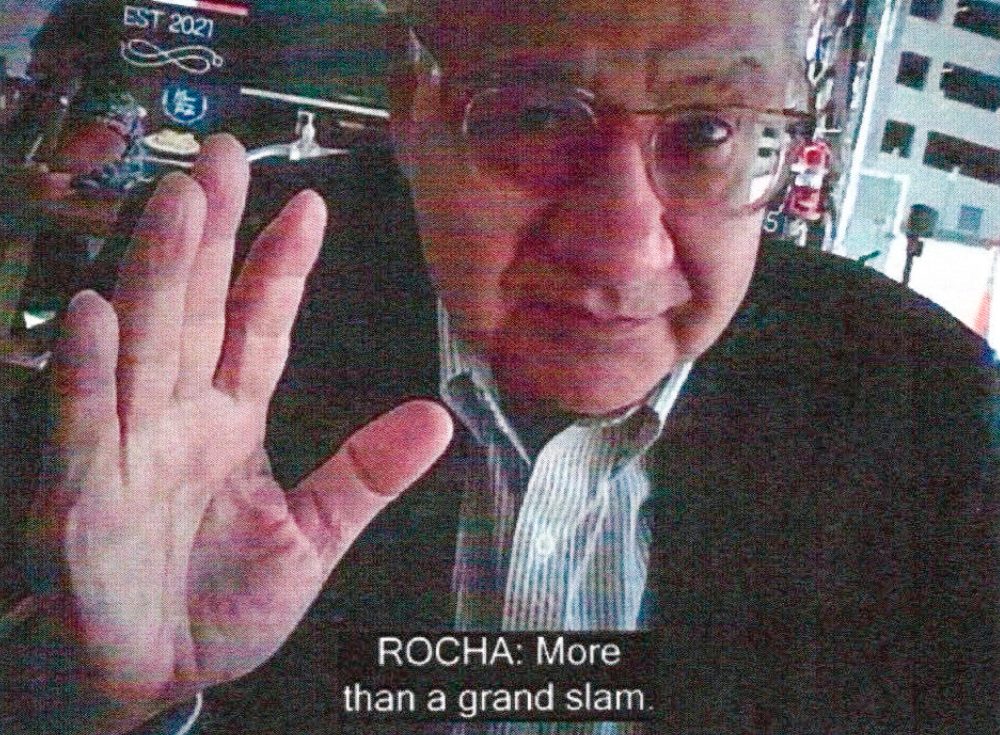
The 75-year-old Rocha was taken into custody in December 2023 and subsequently received a 15-year federal prison term following his confession to operating as a covert operative for communist Cuba across multiple decades. FBI undercover recordings captured him lauding Fidel Castro as “El Comandante” and boasting about his service to Cuba’s communist regime, describing it as “more than a grand slam” against the American “enemy.”
His guilty plea to 15 federal charges prevented a trial that could have revealed specific details about Rocha’s assistance to Cuba while he occupied high-ranking State Department roles including Bolivia’s ambassadorship and senior positions in Argentina, Mexico, the White House, and other U.S. locations. The timeline of when federal investigators initially suspected Rocha’s espionage activities remains unclear.
According to his plea agreement, Rocha admitted his initial contact with Cuban intelligence occurred in 1973 — five years prior to seeking U.S. citizenship — during his participation in a student exchange program in Chile near the conclusion of socialist President Salvador Allende’s administration. Following Havana’s instructions, he subsequently pursued graduate studies at Harvard and Georgetown Universities before securing employment with the U.S. State Department.
Federal law establishes significant evidentiary requirements for citizenship revocation, mandating prosecutors demonstrate compelling proof that an individual obtained citizenship through illegal means or achieved naturalization via “concealment of a material fact or by willful misrepresentation.”
Court documents show prosecutors claim Rocha provided false sworn testimony regarding his “belief in the U.S. Constitution” and denied any connections to Cuba’s Communist Party during his 1978 citizenship application process.
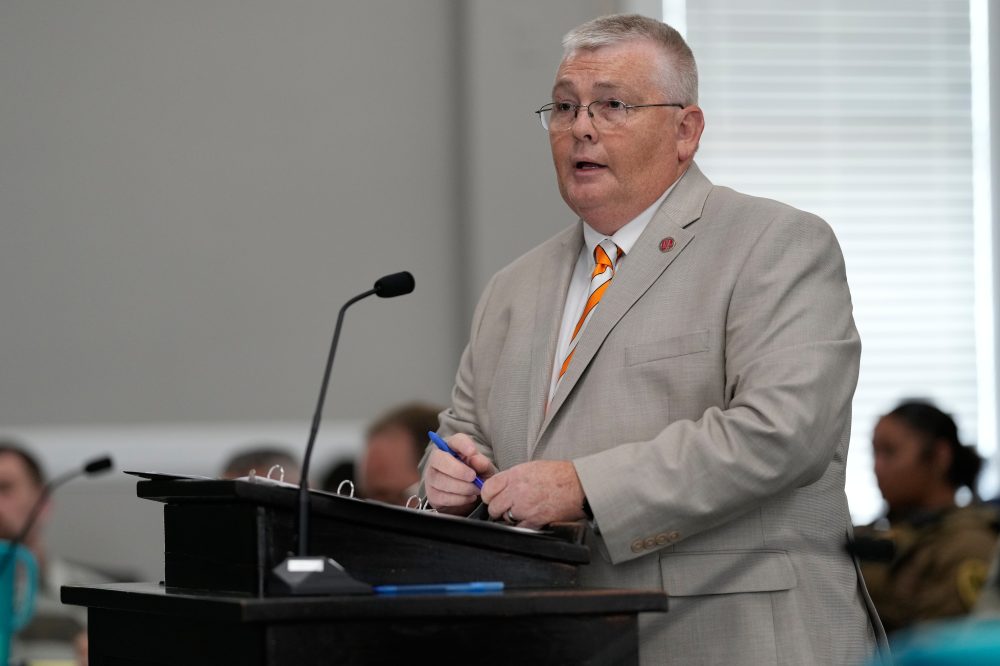
“The Southern District of Florida helped take down one of the most prolific Cuban spies ever uncovered in the United States,” said U.S. Attorney Jason A. Reding Quiñones for the Southern District of Florida. “This civil denaturalization case is about finishing the job.”
The Justice Department has substantially expanded its emphasis on denaturalization proceedings recently and released internal guidance last year instructing prosecutors to focus on individuals who “pose a potential danger to national security,” particularly through terrorism and espionage activities.
An Associated Press examination of Rocha’s case identified multiple warning signs that went unaddressed, including intelligence received by a veteran CIA officer nearly twenty years ago suggesting Rocha operated as a double agent. Additional intelligence indicated the CIA knew by 1987 that Cuban leader Fidel Castro had positioned a “super mole” within the U.S. government structure, with some officials suspecting Rocha’s involvement.
During the past two years, the FBI, U.S. State Department, and CIA have worked to determine the case’s most significant unknown element: precisely what classified information the career diplomat potentially compromised to Cuba. Rocha underwent several months of federal debriefing sessions during his early imprisonment period, though the value of information obtained from these interviews remains undisclosed.