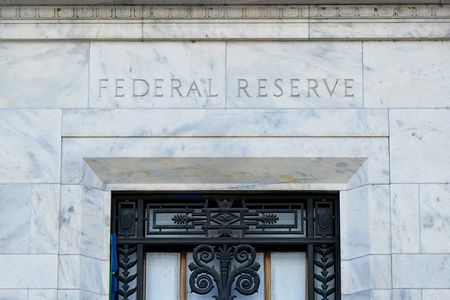

The Federal Reserve is set to release detailed notes from their January 16-17 policy meeting on Wednesday, offering insight into central bankers’ decision to maintain current interest rates and what conditions might prompt future rate reductions amid shifting economic concerns about jobs and inflation.
During a news conference following that meeting, Fed Chair Jerome Powell indicated there was “broad support” among officials to maintain the policy rate within its current 3.5% to 3.75% range. This unified stance differed sharply from December’s rate-cutting decision, which split the central bank with dissenting votes both for deeper cuts and against any reduction.
The meeting notes are scheduled for release at 2 p.m. Eastern Time. Given the apparent consensus among policymakers in mid-January, the document may reveal how officials are evaluating economic risks that Powell suggested were becoming more balanced, even as they could still create disagreement about future actions.
The central bank aims to achieve maximum employment while maintaining 2% annual inflation, with the most challenging decisions occurring when inflation exceeds targets while job market conditions appear to deteriorate.
Powell noted during the January meeting that some of this tension persisted, though the likelihood of significant increases in either inflation or unemployment was decreasing.
“We still have some tension between employment and inflation, but it’s less than it was. I think that the upside risks to inflation and the downside risks to employment have probably both diminished a bit,” Powell stated.
Despite the general consensus to maintain steady rates last month, policymakers may hold varying perspectives on what economic indicators to monitor and how quickly to respond, with analysts particularly watching whether inflation begins declining as Powell and colleagues anticipate by mid-year.
Chicago Fed President Austan Goolsbee said Tuesday he could envision “several” rate reductions this year if inflation starts falling from its current level approximately one percentage point above the Fed’s target. However, Governor Michael Barr suggested the current pause in rate cuts would likely continue “for some time” until sufficient data confirms inflation is declining.
Fed officials partially blame current elevated inflation on high import tariffs that businesses are still transferring to consumers, though most agree this process is nearing or has passed its peak influence on inflation.
“The Fed is prepared to lower rates further this year if inflation cools….This…should be reflected in FOMC minutes,” Citi analysts wrote Tuesday.
The Federal Reserve’s next policy meeting is scheduled for March 17-18, with investors anticipating interest rates will remain unchanged.