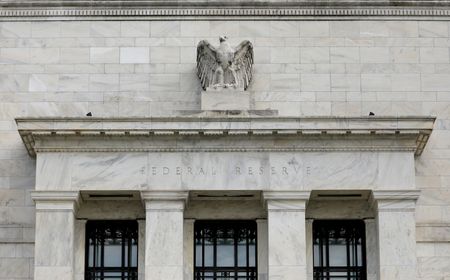

The Federal Reserve decided Wednesday to maintain current interest rates while acknowledging growing inflation worries in what became the central bank’s most contentious decision in over three decades.
The 8-4 vote marked the most split decision since October 1992, highlighting deep disagreements among policymakers about the direction of monetary policy. Three Federal Reserve officials opposed language in the policy statement that suggested a willingness to cut rates in the future, while a fourth member voted in favor of immediately reducing rates by a quarter percentage point.
“Inflation is elevated, in part reflecting the recent increase in global energy prices,” the Federal Reserve stated in its policy announcement, removing previous language that described inflation as only “somewhat” elevated. “Developments in the Middle East are contributing to a high level of uncertainty about the economic outlook.”
Cleveland Federal Reserve President Beth Hammack, Minneapolis Fed President Neel Kashkari, and Dallas Fed President Lorie Logan all supported keeping rates in the current 3.50%-3.75% range but “did not support inclusion of an easing bias in the statement at this time” and voted against the new statement.
The division comes as incoming Fed Chair Kevin Warsh prepares to take over leadership of the central bank. The Republican-controlled Senate Banking Committee advanced Warsh’s nomination Wednesday on a 13-11 party-line vote, with full Senate confirmation expected next month. Current Chair Jerome Powell’s term concludes May 15.
Oil prices remaining above $100 per barrel due to the U.S.-backed conflict with Iran have complicated the Fed’s decision-making process. Policymakers are struggling to determine whether higher energy costs will primarily impact economic growth or fuel additional inflation.
The policy statement noted that “the unemployment rate has been little changed in recent months” while economic expansion continues “at a solid pace” alongside the elevated inflation concerns.
Fed Governor Stephen Miran continued his pattern of dissenting in favor of a quarter-point rate cut, as he has done at every meeting since joining the central bank from his previous role as one of President Trump’s economic advisers.
Minutes from the Fed’s March meeting revealed that more policymakers were considering the possibility that the next policy move might be a rate increase rather than a decrease. The growing number of officials opposing rate cuts may lead investors to increase expectations for higher borrowing costs this year.
Powell is scheduled to conduct a press conference at 2:30 p.m. Eastern time to discuss the meeting results and economic outlook. He may also address whether he plans to remain at the Fed as a governor, a separate position that extends through January 2028.