
WASHINGTON — A pivotal moment for the Federal Reserve arrives Wednesday as Chairman Jerome Powell prepares to lead what could be his final policy meeting while the Senate moves forward with confirming his successor.
During Wednesday’s session, Powell will oversee the central bank’s deliberations and conduct an afternoon press conference where he might reveal whether he plans to remain on the Fed’s board of governors after his chairmanship concludes on May 15 — an uncommon move in Fed history.
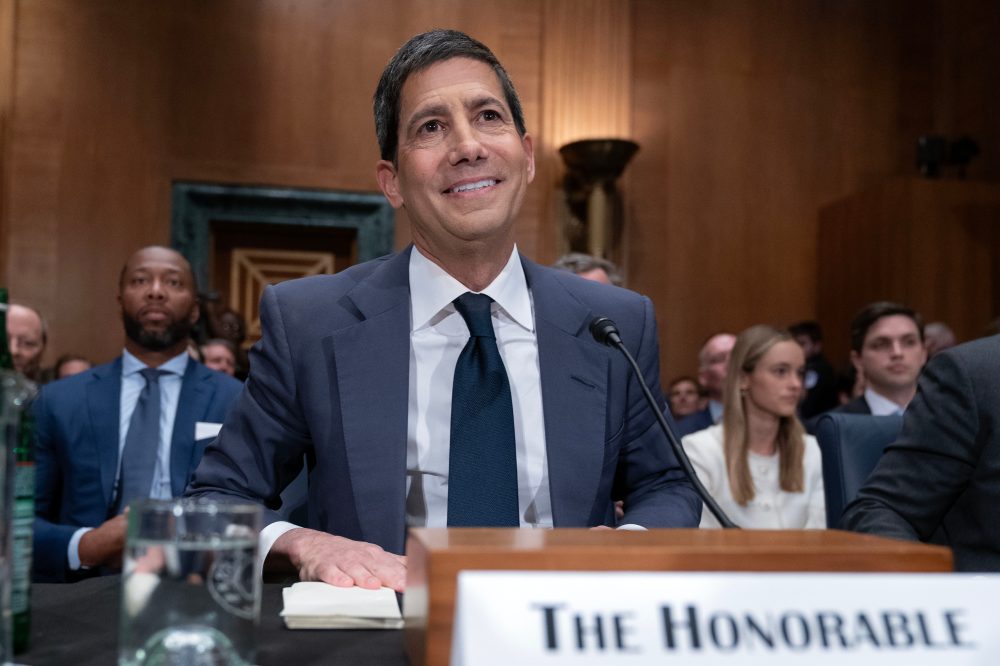
Meanwhile, the Senate Banking Committee is set to vote on Kevin Warsh’s nomination to take over as Fed chair. The confirmation vote is anticipated to pass along party lines before advancing to the full Senate next month. Trump selected Warsh, who previously served as a senior Fed official, for the role in January. Warsh supported Trump’s push for interest rate reductions last year, prompting Democratic lawmakers to raise concerns about his potential independence as Fed leader.
Financial experts broadly predict the Fed will maintain its benchmark rate at 3.6% for the third consecutive meeting on Wednesday. Most central bank officials view this level as effective for managing inflation by moderating lending and consumer spending without severely impacting employment or triggering job losses.
A significant focus during Wednesday’s press conference will be any remarks Powell makes regarding his plans beyond the chairmanship. Powell’s term as a board member extends through January 2028. While Fed chairs traditionally step down from the board when their leadership roles end, Powell has indicated he might break with this tradition. Such a decision would mark the first time a chair has remained on the board since 1948.
Should Powell decide to stay, he would prevent Trump from selecting another appointee to fill that position on the seven-member Fed board, where three current governors are already Trump nominees. This choice could help preserve Fed independence, which Powell has championed throughout his tenure.
However, remaining on the board could intensify conflicts with the Trump administration and establish what some experts describe as a “two Popes” situation, featuring both a current and former chair serving together. This arrangement might deepen disagreements among policymakers if some choose to align with Powell’s approach instead of following Warsh’s direction.
Although Warsh advocated for rate reductions last year, he’s unlikely to implement lower borrowing costs immediately, as most officials prefer to assess the economic effects of the ongoing Iran conflict before making changes.
This leadership transition occurs during a period of economic uncertainty that presents challenges for the Fed. Inflation has climbed to 3.3%, reaching a two-year peak as the war has driven up gasoline prices significantly. This inflationary pressure makes rate cuts more difficult, since the Fed typically maintains or increases rates when inflation worsens.
Simultaneously, job creation has nearly stalled, frustrating unemployed individuals who struggle to find new positions. The Fed usually reduces rates during periods of employment weakness to encourage spending and job growth.
Nevertheless, layoffs remain minimal as employers appear to adopt a “low-hire, low-fire” approach. Many Fed officials suggest that with unemployment staying low, the central bank doesn’t need to cut rates to stimulate economic activity and hiring. The unemployment rate dropped to 4.3% in March from the previous month’s 4.4%.
Economists will closely examine whether the Fed modifies its post-meeting statement Wednesday to indicate that future rate adjustments could involve either increases or decreases. Currently, the statement suggests any rate change would be a reduction. According to minutes from the March meeting, numerous members of the 19-person rate-setting committee support considering a rate increase, though this likely falls short of majority support.