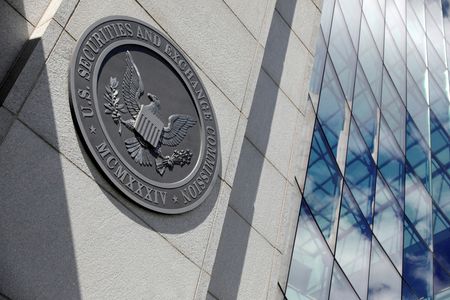

Over two dozen investment funds designed to let ordinary investors wager on elections, economic downturns, technology job cuts, and other real-world outcomes remain stuck in federal regulatory review as companies rush to transform the growing prediction-market industry into products that trade like regular stocks.
Three investment firms – Roundhill Investments, GraniteShares, and Bitwise – submitted applications in February to the Securities and Exchange Commission seeking approval for products that would tap into surging interest in prediction markets.
The product launches, initially scheduled for this week, have been postponed while the SEC requests additional details from the companies regarding how the products work and what information must be disclosed to investors, according to two sources familiar with the situation. These individuals, who requested anonymity when discussing confidential regulatory proceedings, indicated the postponement is likely temporary.
According to SEC regulations, exchange-traded funds become automatically approved 75 days following submission unless the commission intervenes. That 75-day deadline was set to expire this week.
An SEC representative, whose agency has adopted a more permissive approach toward approving innovative ETFs under the Trump administration, refused to provide comment. Roundhill CEO Dave Mazza and a GraniteShares representative also declined to comment.
“It’s an area that is maturing rapidly and regulations and oversight are maturing rapidly as well,” stated Matt Hougan, chief investment officer at Bitwise, pointing to other groundbreaking products like bitcoin ETFs that underwent extensive reviews before successful launches. He declined to discuss the regulatory conversations or anticipated approval schedule for this story.
COMBINING ETF AND PREDICTION MARKET GROWTH
Prediction market wagering has exploded since early platforms Kalshi and Polymarket correctly predicted Donald Trump’s victory in the 2024 presidential race and Trump’s Commodity Futures Trading Commission announced it would oversee the market instead of prohibiting it. Interactive Brokers, Robinhood, and other platforms have also joined the market, anticipating additional growth from this year’s midterm elections.
However, notably successful bets on the Iran conflict and other military situations have attracted criticism from legislators who argue prediction markets create incentives for promoting violence, while also drawing insider trading investigation from federal prosecutors.
Nevertheless, ETF companies continuously seek methods to convert every popular trend into new investment products, according to Dave Nadig, research director at ETF Trends.
“Everyone in the ETF market is looking for something that’s new or different they can bring to the table, and this is just the latest example,” Nadig explained. He noted that these ETF products might appeal to individual investors because ETFs are simpler to trade than the actual event contracts.
RISK ALERTS
Together, the three companies have submitted applications for over two dozen prediction-market-connected ETFs, with initial offerings focusing on this year’s Senate and House midterm contests and the 2028 presidential election, based on SEC records. Additional products target events like technology sector layoffs and whether America will experience a recession this year. Bitwise submitted an application Friday for an ETF allowing investors to bet on crude oil prices exceeding $120 per barrel this year.
While specific features vary, the ETFs typically employ derivatives to follow the probability of binary “yes/no” results in underlying contracts traded on CFTC-regulated exchanges like Kalshi. These contracts – with many investors purchasing hundreds of contracts – distribute $1 if an event occurs but nothing if it doesn’t. Similar to how other instruments like options and futures track assets over specific timeframes, these ETFs provide investors opportunities to transfer their positions into comparable outcomes for subsequent elections, calendar years, or other periods.
The SEC applications contain numerous warnings about potential impacts from new regulations, lawsuits, and what Roundhill characterizes as “heightened risks” connected to insider trading in event contracts.
Investors also face the possibility of “catastrophic” losses, the filings caution.
Additionally, even if an outcome like technology industry layoffs or election results faces disputes or later revisions, investor losses remain permanent. In such situations, investors will have “no recourse,” Roundhill cautions.
Some market participants believe mainstream investors increasingly find prediction markets valuable.
Edward Ridgely, co-founder of Strand, a trading platform that combines prediction market order books, said certain clients utilize event-driven contracts to protect their investments in everything from bonds to crude oil.
“The prospect of adding prediction-market ETFs to the mix is tantalizing,” he stated.