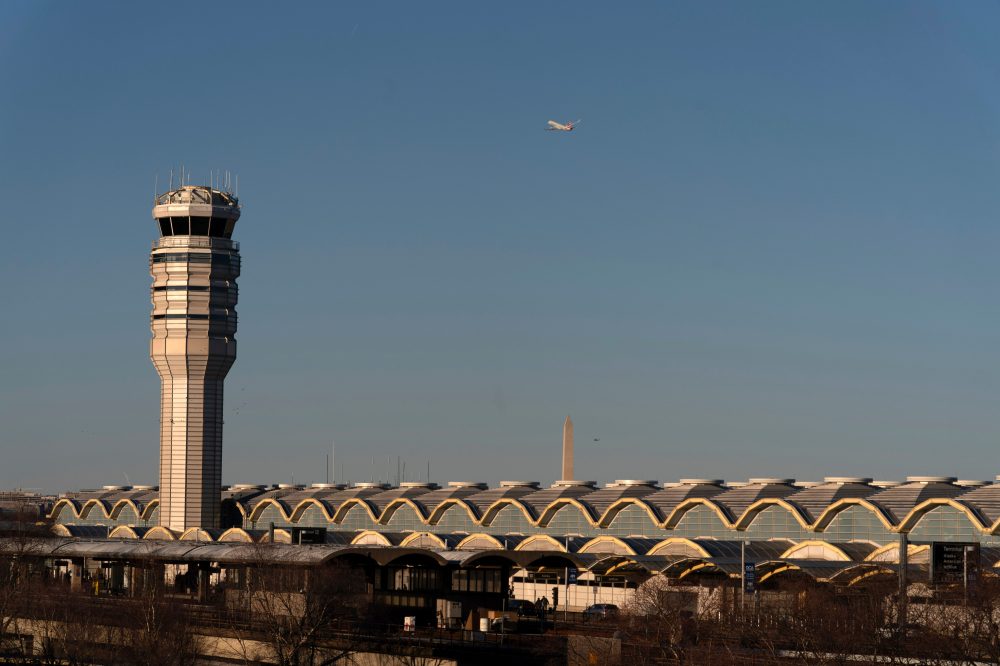

Federal aviation authorities announced Wednesday they will implement mandatory radar monitoring to maintain safe distances between helicopters and aircraft, following the tragic midair crash near the nation’s capital that claimed 67 lives earlier this year.
The Federal Aviation Administration determined that relying on pilots to visually spot other aircraft has proven insufficient for preventing dangerous encounters at major airports across the country.
The updated safety protocols will require air traffic control personnel to utilize radar technology for maintaining specific horizontal and vertical spacing between helicopters and fixed-wing aircraft. These enhanced measures will take effect at over 150 high-traffic airports nationwide, building upon restrictions already implemented at Ronald Reagan Washington National Airport.
“Today, we are proactively mitigating risks before they affect the traveling public,” FAA Administrator Bryan Bedford said in a news release. “Following the mid-air collision near Ronald Reagan Washington National Airport (DCA), we looked at similar operations across the national airspace. We identified an overreliance on pilot ‘see and avoid’ operations that contribute to safety events involving helicopters and airplanes.”
Aviation authorities pointed to recent dangerous incidents, including a February 27 encounter where a law enforcement helicopter was forced to change course to avoid an incoming American Airlines aircraft at San Antonio International Airport in Texas. Another close call occurred March 2 when a helicopter had to alter its path to avoid a small plane approaching Hollywood Burbank Airport in California.
The January 2025 crash involving an American Airlines passenger jet and an Army Black Hawk helicopter represents the most devastating aviation disaster on American territory since 2001. Investigation findings revealed that air traffic controllers at Reagan National Airport relied too heavily on requesting pilots to visually identify nearby aircraft and maintain safe separation distances.
On the evening of the collision, control tower personnel twice granted the military helicopter’s request to maintain visual separation. Crash investigators determined the helicopter crew most likely never observed the commercial airliner as it approached for landing on a rarely used backup runway.
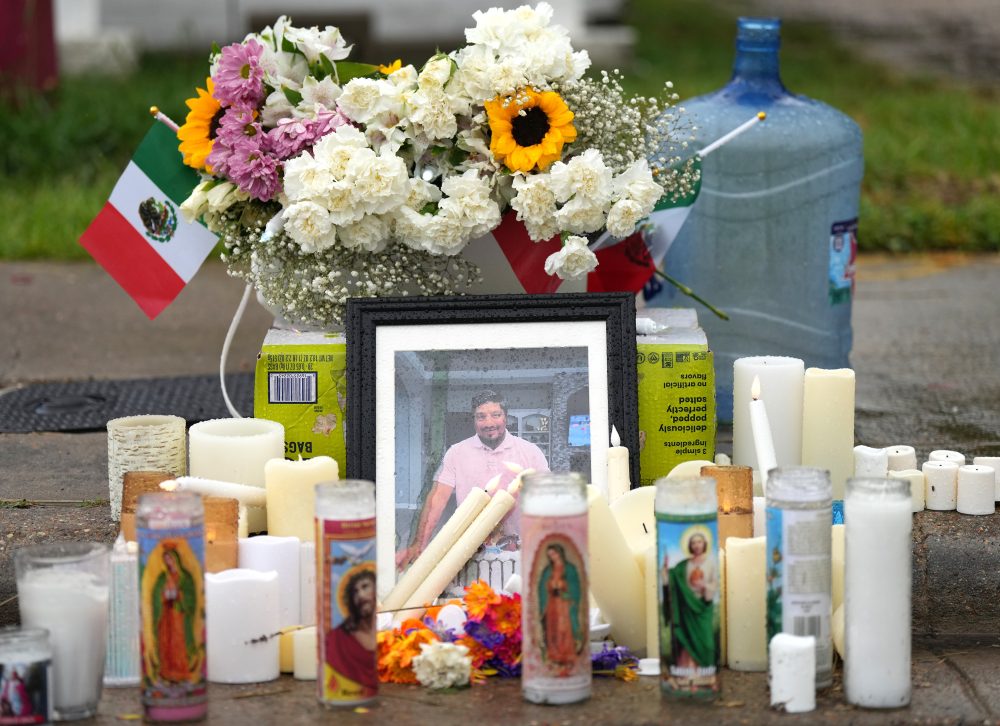
The victims included numerous young competitive figure skaters along with their families and coaching staff, who were returning from a training program in Wichita, Kansas, following the completion of the U.S. Figure Skating Championships in that city.