
A federal judge has placed significant limitations on evidence that can be presented during the upcoming arson trial of the individual charged with igniting the catastrophic Palisades Fire near Los Angeles last year.
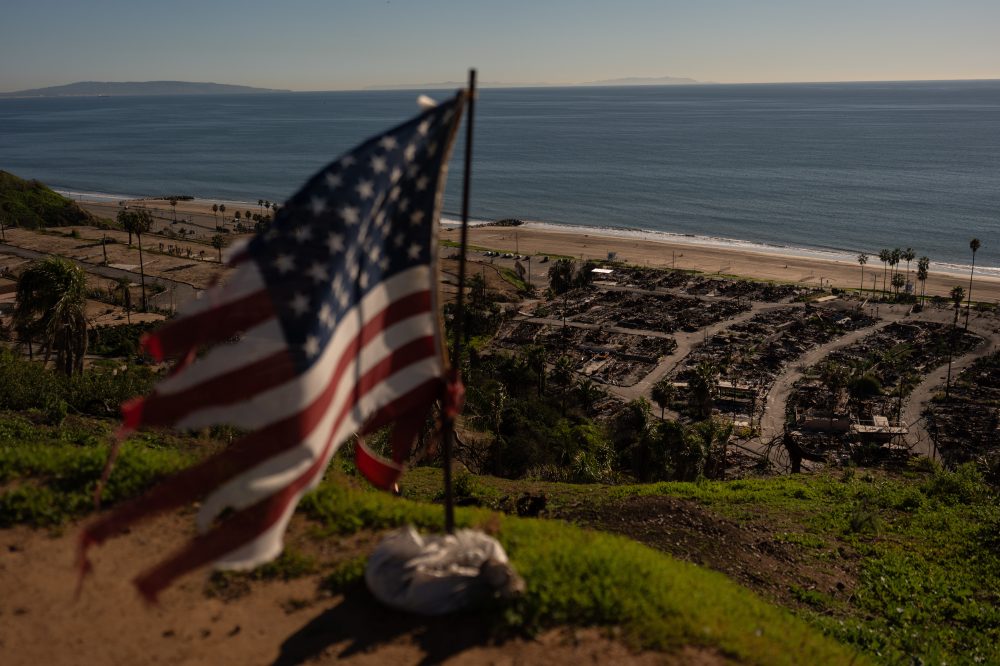
Jonathan Rinderknecht, 29, has entered a plea of not guilty to charges that he initiated what would become one of California’s most devastating wildfire disasters. According to prosecution claims, Rinderknecht ignited a blaze on Jan. 1 that continued burning unnoticed in underground root systems before resurging seven days later. The Palisades Fire erupted on Jan. 7, 2025, consuming hillside communities in Pacific Palisades and Malibu and claiming 12 lives.
The trial is scheduled to commence June 8. Rinderknecht’s primary defense counsel, Steve Haney, has maintained that his client is being made a scapegoat for the Los Angeles Fire Department’s inability to completely extinguish the initial fire.
At Wednesday’s court session, Judge Anne Hwang determined that depositions from fire department personnel and a state park ranger would not be admissible during trial proceedings, citing concerns that such information lacks relevance to the charges and might mislead jurors.
The blocked defense evidence contained statements from a firefighter, fire captain and state park ranger indicating that the New Year’s Day 2025 fire was still visibly smoldering when emergency responders departed the location. This testimony had been collected during litigation brought by fire victims against the city.
Hwang additionally prohibited prosecutors from presenting AI-generated images depicting a burning city that authorities claim Rinderknecht produced several months prior to the fire.
Haney described the exclusion of the ChatGPT images as significant for his client, calling them “very, very prejudicial” and contextually misleading.
Other fire department activities remain permissible for discussion, including the department’s original response to and examination of the Jan. 1 brush fire. Haney indicated he intends to challenge whether the government possesses conclusive evidence connecting Rinderknecht to that incident, noting that first responders had detected fireworks near the fire’s origin point.
Prosecutors outlined their approach in an April 29 pretrial document from the U.S. attorney’s office, detailing the defendant’s alleged mental state before the initial fire occurred. They plan to argue that he was frustrated about lacking New Year’s Eve plans and expressed anger toward the world prior to the first blaze being ignited.