
Federal officials announced Wednesday they will implement a nationwide freeze on Medicare enrollments for new home healthcare and hospice providers, citing widespread fraudulent activity in these sectors.
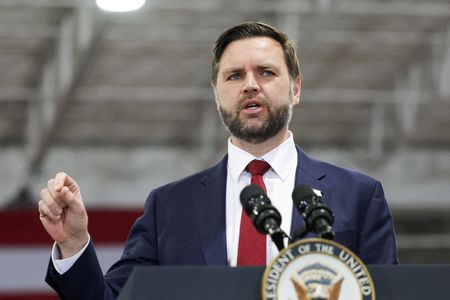
The temporary suspension comes as part of Vice President JD Vance’s anti-fraud task force efforts to combat healthcare scams targeting Medicare, the federal health insurance program serving elderly and disabled Americans.
According to a senior administration official, the Trump administration has criticized several Democratic-led states, particularly California and Minnesota, for insufficient fraud prevention measures. However, federal oversight has also increased in Republican-led states like Georgia and Ohio over the past year.
“Widespread fraud has gone on for far too long. But under the Vice President’s task force we are finally putting a stop to the massive scale fraudsters ripping off the American people once and for all,” a spokesperson for Vance stated.
The task force plans to reveal this policy change alongside additional measures Wednesday afternoon, marking the first public disclosure of this moratorium.
Officials say the enrollment pause will allow the Centers for Medicare & Medicaid Services to conduct a comprehensive review of hospice and home health spending within Medicare and develop enhanced oversight guidelines.
A key concern driving the suspension involves how quickly fraudulent home health and hospice operations can establish themselves, according to the administration official.
Medicare data shows significant spending in these areas during 2024. The Medicare Payment Advisory Commission reports that 1.8 million Medicare recipients utilized hospice services at a total cost of $28.3 billion. Additionally, 2.7 million Medicare patients received home healthcare services costing $16 billion, according to the congressional advisory agency.
California has become a particular focus for Vance’s task force, especially after the state auditor determined in 2022 that inadequate oversight had allowed extensive fraudulent activity in hospice services.
Healthcare industry organizations have expressed mixed reactions to potential federal action. The National Partnership for Healthcare and Hospice Innovation voiced support in March for a temporary hospice enrollment freeze. Conversely, the National Alliance for Care at Home cautioned against sweeping measures that might discourage physicians and patients from pursuing necessary care.
Leading companies in these sectors include BrightSpring Health Services, Matrix Medical Network (backed by private equity), and UnitedHealth in home healthcare. VITAS Healthcare, a Chemed Corporation subsidiary, ranks among the largest hospice care providers.
Healthcare fraud costs the United States tens of billions of dollars annually, resulting in increased expenses for patients and employers, according to the National Health Care Anti-Fraud Association.
This Medicare enrollment freeze represents part of a broader Trump administration initiative targeting healthcare fraud. In February, officials suspended Medicare enrollments for durable medical equipment suppliers, including prosthetics providers.
The administration’s anti-fraud campaign began in Minnesota, where federal officials announced in February they would withhold $259 million in Medicaid funding.
Trump has frequently referenced a Minnesota scandal from 2020, where 47 individuals faced charges for allegedly stealing $250 million from a federally funded child nutrition program operated by the state. Local media reported that many defendants were Somali Americans.
This controversy led Trump to deploy thousands of federal immigration officers to Minnesota as part of a migrant enforcement operation. However, he modified this approach to be less confrontational after federal officers fatally shot two individuals protesting his policies.
When announcing the fraud task force in March, Trump claimed, without supporting evidence, that Democratic-led states experience higher rates of fraud allegations compared to Republican-led states.