
WASHINGTON — Federal education officials announced Monday they are transferring additional programs to other government agencies, advancing the Trump administration’s plan to eliminate the Department of Education entirely.
Two new agreements will relocate millions of dollars in grant programs currently managed by education officials. The Department of Health and Human Services will assume control of funding streams that support school safety initiatives and community outreach programs. Meanwhile, the State Department will manage a system that monitors foreign donations to American universities.
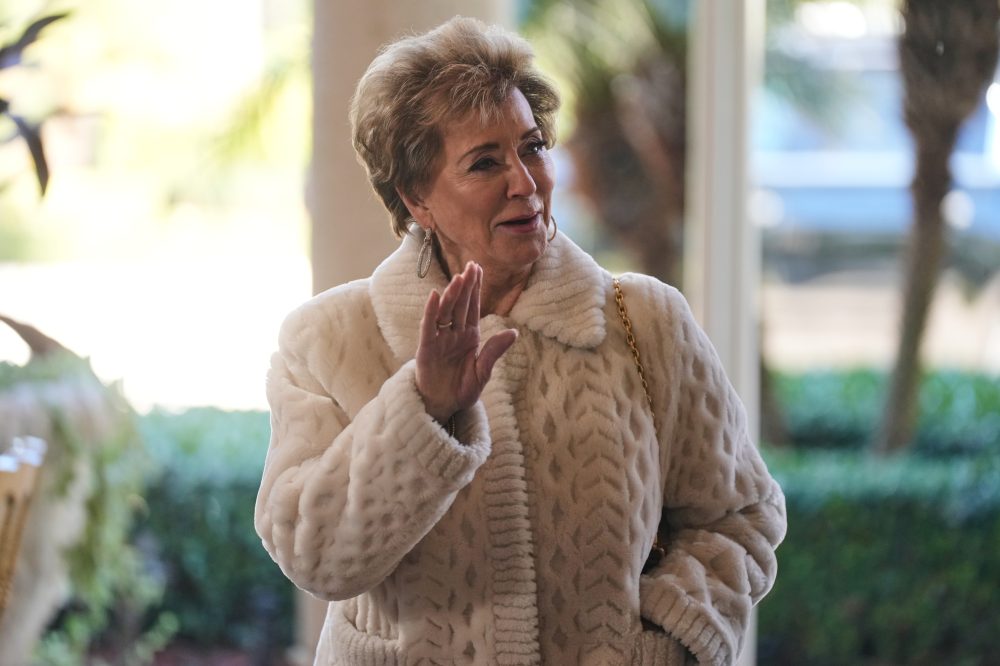
Education Secretary Linda McMahon defended the transfers in a prepared statement, saying the moves represent progress toward dismantling federal education oversight.
“As we continue to break up the federal education bureaucracy and return education to the states, our new partnerships with the State Department and HHS represent a practical step toward greater efficiency, stronger coordination, and meaningful improvement,” McMahon stated.
President Trump and McMahon have both recognized that only Congress possesses the power to completely eliminate the Education Department, though they have indicated the agency’s primary responsibilities could be distributed among various federal departments.
The HHS agreement affects a limited number of grant programs while leaving special education services untouched for now. McMahon has previously indicated her intention to eventually transfer special education programs to HHS as well, reiterating that goal to advocacy groups as recently as December.
However, McMahon’s special education plans have created political challenges, drawing criticism even from members of her own party during congressional hearings. The current agreements avoid mentioning the Office of Special Education and Rehabilitative Services, which administers billions in grants and monitors state adherence to the Individuals with Disabilities Education Act.
These latest transfers follow seven similar agreements signed last year that moved substantial responsibilities to the Departments of Labor, Interior, State, and HHS. Those previous deals involved billions in federal funding, including Title I programs that assist schools serving low-income students.
The union representing Education Department employees criticized the new agreements, arguing they place educational programs under agencies lacking relevant expertise.
“This isn’t efficiency — Secretary McMahon is creating confusion for schools and colleges, eroding public trust, and harming students and families,” stated Rachel Gittleman, president of AFGE Local 252.
“This is an insult to the tens of millions of students who rely on the Department to safeguard access to quality education and to the taxpayers who depend on federal oversight to prevent waste.”
Democratic Senator Patty Murray of Washington expressed concern that the transfers would negatively impact students and families.
“These illegal agreements aren’t just creating pointless new bureaucracy that burdens our already-overworked teachers and schools; they are actively jeopardizing resources and support that students and families count on and are entitled to under the law,” Murray said.
The State Department agreement expands that agency’s role in collecting data and enforcing Section 117, which mandates that colleges and universities report annual gifts exceeding $250,000.
Under the HHS arrangement, six programs will move to the Administration for Children and Families, which will manage grant competitions and provide technical support for these initiatives.
The future of these transferred programs remains questionable. The Trump administration’s 2026 budget proposal seeks to eliminate funding for five of the six programs being moved to HHS. Additionally, some organizations receiving Promise Neighborhoods and Full-Service Community Schools grants, which fund academic and after-school programs, learned in December that their 2026 funding would be discontinued, forcing them to halt operations abruptly.